
Last Updated : July 30, 2025 by Cameron Smith
The idea of squatters living on someone else's property without permission raises questions for both property owners and the general public. Do squatters actually have rights, and what can property owners do to protect themselves? Squatter laws, often tied to the legal concept of adverse possession, vary widely by state and have long been a contentious issue in property law.
In this guide, we’ll explore the legal framework surrounding squatters. We’ll review their rights at the federal and state levels, and what property owners should know about squatter situations.
A squatter is someone who inhabits a property without the owner’s consent. Unlike tenants, squatters have no legal lease or agreement allowing them to remain on the property. Squatting often occurs in vacant or abandoned properties.
There are a number of ways squatters may establish themselves. They can do so by moving in furniture, paying utilities, or otherwise creating the appearance of a legitimate residence.
Squatters don’t initially have legal standing. However, they can, under certain circumstances, acquire rights to the property through something known as adverse possession. This process requires meeting strict conditions. Often, this involves a significant period of continuous occupation.
It’s important to distinguish between squatting and adverse possession. Squatting is the act of unlawfully occupying a property. Adverse possession is a legal doctrine that allows a squatter to gain ownership as long as they meet specific conditions.
These conditions include:
Squatting typically begins as an illegal act. Then, adverse possession turns that occupation into a pathway to legal ownership if all conditions are satisfied.

At the federal level, there are no specific laws granting squatters rights. Squatter laws, including adverse possession, are governed by state laws. This means the specific rules vary significantly depending on the jurisdiction.
Federal courts typically do not intervene in squatter disputes. The only way they would is if the case involves a constitutional issue or a conflict between state laws.
However, federal protections for property owners, such as the Fifth Amendment's takings clause, aim to protect against unwarranted governmental or legal interference in property rights. Squatter situations are predominantly a state-level issue. That’s why understanding your state’s laws is crucial.
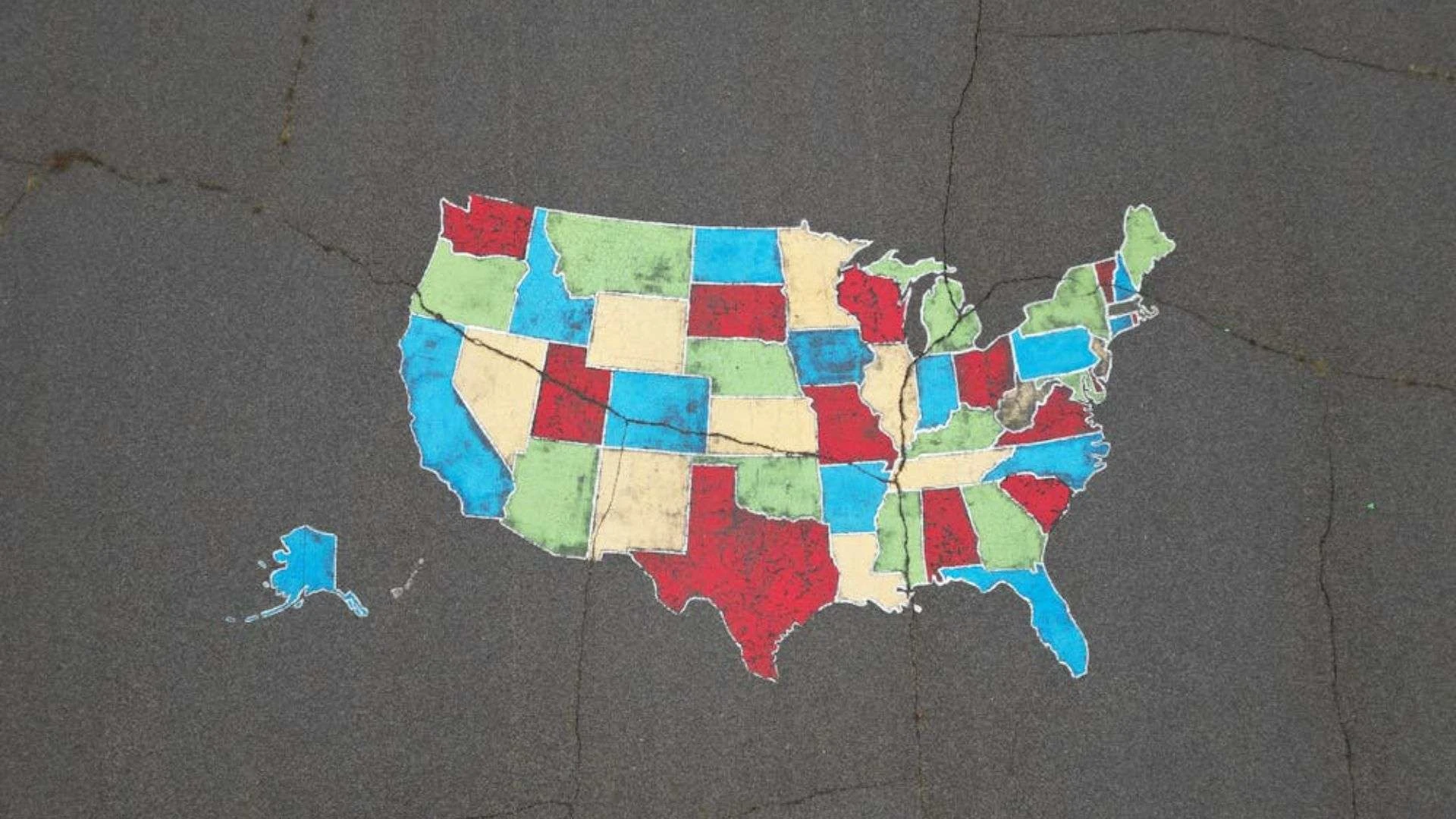
Every state has its own requirements and regulations regarding squatters’ rights. These laws dictate how long a squatter must occupy a property and the conditions under which they can claim adverse possession.
Here’s a state-by-state overview for how many years a squatter has to occupy the property before claiming adverse possession:
In addition to general adverse possession laws, certain states impose unique requirements for squatters to claim ownership of a property.
These state-specific requirements highlight the varying complexities of adverse possession laws. They also emphasize the importance of understanding local regulations to protect your property rights effectively.
Squatter rights and adverse possession laws are often misunderstood. This leads to confusion among property owners and the general public.
Here are some of the most common misconceptions about squatter rights, along with clarifications to help demystify this complex legal area:
Preventing squatter situations begins with vigilance. Here are some practical steps property owners can take:

Dealing with squatters is a frustrating and stressful situation for homeowners. Squatters can make it difficult to regain control of your home. However, with the right approach, you can effectively remove squatters and protect your property.
Each state has its own laws regarding squatter rights and eviction processes. Some states offer squatters legal protections, such as adverse possession rights, after they’ve occupied a property for a certain period.
Research your state’s laws to understand the legal steps you’ll need to take.
If you discover squatters on your property, call the police immediately. They may not be able to forcibly remove squatters without proof of trespassing or a court order. However, filing a police report establishes an official record of the issue.
Squatters often must be treated as tenants under the law. This means you may need to serve them with a formal eviction notice outlining the reason for eviction and the time frame for them to vacate. Make sure your notice complies with local regulations to avoid delays.
If squatters don’t leave after receiving an eviction notice, you might have to file an unlawful detainer lawsuit. This legal action seeks a court order to remove the squatters. Once approved, law enforcement can help by physically evicting them.
Once the squatters are removed, take steps to secure your property:

A squatter is someone who lives at a property without the owner’s legal permission. They often claim rights to the property through adverse possession laws. This does depend on the duration of their stay and local regulations.
A trespasser enters a property unlawfully. They typically do this by breaking in or committing illegal entry, and they are usually removed by law enforcement. A squatter, however, may occupy a property over time and claim tenant rights. This would require formal eviction procedures.
Yes, squatters may have rights under adverse possession laws. This allows them to gain legal ownership of a property after openly occupying it for a specific time. The requirements and timeframes vary by state.
In most cases, you cannot remove squatters without following the legal eviction process. Attempting to forcibly remove squatters without proper legal steps can result in penalties or lawsuits against you.
Yes. Selling your property As-Is to companies like House Buyers of America can be a fast and effective solution. Doing this can save you time, cost, and the stress of eviction proceedings.
In some states, squatters must pay property taxes as part of their adverse possession claim. However, requirements vary depending on local laws.
The eviction timeline varies by state and court backlogs. It can take weeks to months, depending on local laws and whether the squatter contests the eviction.
You can receive a cash offer within minutes and close the sale in as little as seven days. This allows you to resolve the squatter issue swiftly and efficiently.
or call us at 855-659-3289
Searching and Processing Address