
Last Updated : February 21, 2024 by Margo Waldrop
Tired of looking at that long list of home repairs? You're not alone. More and more homeowners are discovering a simpler way to sell—the As-Is sale. Think of it as selling your home exactly how it stands today, without tackling a single repair or renovation project. Maybe you're short on time, don't want to deal with contractor headaches, or simply prefer a no-fuss sale. Here's the good news: with more investors and cash buyers in the market than ever before, selling As-Is could be easier than you think.
Ready to learn more? Let's walk through everything you need to know to decide if this approach is your best path forward.
When you sell a house As-Is, you're offering your property exactly as it stands today - no repairs, no fresh paint, no fixes before closing. Think of it as a "what you see is what you get" approach to home selling. While this means buyers take on any existing issues once they purchase, it's important to note that you still need to be upfront about known problems. Most states require sellers to disclose major issues, especially those affecting health and safety, even in As-Is sales, as well as any financial obligations tied to the property, such as solar panels.
Life rarely follows the perfect home-selling playbook. Maybe you've inherited a house you can't maintain, need to move quickly for a job relocation, or just don't want to deal with the headache of home repairs. Whatever your situation, selling your house As-Is could be your answer.
Before you decide if this path is right for you, let's look at why other homeowners choose to sell As-Is. This might help you see if this approach makes sense for your situation, too.
Avoid Costly Repairs - Selling As-Is eliminates the need for expensive renovations or maintenance. For homes requiring significant work, particularly storm damage, water damage, roof replacement, dry rot, mold, fire damage, or termites, this can save thousands of dollars.
Save Time - If you’re on a tight timeline due to relocation, financial pressure, or other reasons, selling As-Is can help you avoid delays associated with repairs.
Attract Investors or Cash Buyers - As-Is properties are often appealing to real estate investors or cash buyers looking for fixer-upper opportunities.
Simplify the Sale Process - By selling As-Is, you reduce complications and negotiations over repair costs, making the process more straightforward.
Financial Hardship - If you can’t afford to make repairs or need to pay off debt, selling As-Is allows you to offload the property without incurring additional expenses.
Inherited Property - Inherited homes in poor condition can be challenging to maintain or repair. Selling As-Is can provide a practical solution.
Relocation or Urgent Need to Move - When life circumstances require a quick move, selling As-Is can expedite the process.
Avoid Inspection or Appraisal Issues - As-Is sales often attract buyers who are willing to overlook potential inspection or appraisal concerns, reducing stress for the seller.
Market to Flippers - Some buyers specifically seek out properties they can renovate, making As-Is sales a strategic choice.
Legal or Structural Issues - If the property has liens, title issues, or structural problems, selling As-Is can help avoid complex fixes.
Divorce or Life Changes - Major life events, such as divorce, illness, or retirement may prompt a need for a fast and hassle-free sale.
Downsizing - Downsizing to a smaller home can reduce expenses and lead to simpler living.
Avoiding Traditional Real Estate Processes - Selling As-Is often bypasses traditional listing methods, saving you time and fees.
Let's be clear - selling your home As-Is isn't just throwing in the towel. For many smart homeowners, it's actually a strategic move that puts time, money, and peace of mind back in their pocket. Maybe you're working with a tight budget, need to move quickly, or just don't want the headache of managing contractors and repairs. Whatever your reason, selling As-Is could be your ticket to a smoother home sale. Sure, you might not get top dollar like you would with a fully updated home, but the time and stress you'll save? That could be worth its weight in gold for your situation.

When it comes to selling your home As-Is, you have more options than you might think. Gone are the days when selling a property in its current condition meant being limited to a handful of local investors or accepting rock-bottom prices. Today's real estate market offers multiple pathways for As-Is sellers, each with its own unique benefits and trade-offs.
Whether you prioritize speed, convenience, or maximum sale price, understanding these different options can help you choose the approach that best fits your specific situation and goals.
So, how should you sell your As-Is home? Well, that's as personal as choosing your next car - it really comes down to what matters most to you. Some paths get you to the finish line super quick, while others might take longer but put more money in your pocket. Think about what's driving your decision - maybe you need to move fast, or perhaps getting the best price is your top priority.
Want to be hands-on with the process, or would you rather hand over the keys and be done? There's no wrong answer here - the best choice is simply the one that fits your life right now.

Before diving into an As-Is sale, it's crucial to understand both the advantages and potential drawbacks of this approach. While selling As-Is can offer significant benefits for many homeowners, it's not without its challenges. Let's explore what you can expect when choosing this selling strategy.
One of the most appealing aspects of selling As-Is is the streamlined process. By avoiding repairs and negotiations over property conditions, you can significantly reduce the time and stress involved in the sale. This approach also offers substantial cost savings, as you won't need to invest in repairs or renovations before listing.
Additionally, As-Is properties often attract a specific type of buyer, particularly investors and cash buyers who are looking for properties they can renovate to their specifications. This clear-cut approach also creates transparency in the transaction, as buyers know exactly what they're getting from the start.
However, there are important drawbacks to consider.
It's important to note that while you're selling the property As-Is, you're still legally obligated to be transparent about known issues. Most states require sellers to disclose significant problems or defects, even in As-Is sales. This requirement ensures that while buyers accept the property's current condition, they're still informed about any existing issues that could affect their decision or the property's value.

Selling a house As-Is might seem daunting, but it’s often the smartest choice for homeowners who need to sell quickly, avoid costly repairs, or simply move on with minimal hassle. While it comes with unique challenges—like setting realistic expectations and finding the right buyers—it’s entirely possible to navigate the process smoothly and even achieve a great outcome. By understanding the steps involved, from assessing your property’s condition to marketing it effectively, you can turn what seems like a potential hurdle into a streamlined, successful transaction.
Understand Why You’re Selling As-Is: Start by defining your reasons for selling As-Is and setting realistic expectations for the process. Determine if the primary goal is saving time, avoiding repair costs, or handling urgent situations like financial hardship or relocation.
Example: If you need to sell quickly due to relocation, your primary goal might be speed over maximizing price. Clearly outline this in your approach so you can adjust your decisions as necessary.
Set Realistic Expectations: Recognize that selling As-Is often attracts cash buyers or investors who expect a discount due to the condition of the property.
Conduct a Pre-Sale Inspection (Optional): Consider ordering a pre-sale inspection to uncover major issues that could affect the sale. This step isn’t about fixing problems but being fully aware of the property’s condition so you can price and disclose accurately.
Examples of Key Areas to Inspect:
Pro Tip: Even if you skip a formal inspection, walk through the house with a buyer’s perspective, noting obvious concerns such as broken windows, mold, or outdated appliances.
Identify Key Selling Points: Focus on the positive aspects, such as location, size, or unique features, to offset concerns about the property’s condition.
Research Comparable Properties (Comps): Pricing a house As-Is can be tricky. Start by researching comparable homes in your area, paying close attention to:
Example: If a comparable home in good condition sold for $300,000, but yours needs $50,000 in repairs, a competitive starting price might be $250,000 or lower.
Consult Real Estate Professionals: Seek advice from an agent who specializes in As-Is sales to get a realistic pricing strategy.
Set a Competitive Price: Price your home based on its condition, recent comparable sales, and the urgency of your timeline.
Address Safety Hazards: Consider fixing major safety concerns, like exposed wiring or severe plumbing issues, that could deter even As-Is buyers.
Focus on Curb Appeal: Simple improvements like mowing the lawn, removing clutter, or cleaning the exterior can make a big difference.
Declutter and Clean Inside: While you’re not doing a full renovation, a tidy, clean space creates a better impression.
Be Transparent About the Condition: Disclosures are critical when selling As-Is. While you won’t be responsible for repairs, you’re legally obligated to share known issues with potential buyers.
Label the Listing As-Is: Clearly state As-Is in your property description to manage buyer expectations upfront.
Example Listing Language: “Home sold As-Is. Seller will not make repairs. Recent inspection revealed some roof and foundation issues.”
Pro Tip: Research your state’s requirements for As-Is disclosures.
Use Honest, Strategic Language: Marketing an As-Is property involves presenting it in its best possible light while being transparent about its condition. Highlight the home’s strengths and potential, e.g., “great investment opportunity” or “ideal for buyers seeking a fixer-upper.”
Example Description: “Spacious 4-bedroom home with large backyard. Perfect for buyers seeking a renovation project or investment opportunity. Convenient location near downtown and schools.”
List on the Right Platforms: Consider MLS, Zillow, or real estate platforms popular with cash buyers and investors.
Pro Tip: Consider targeting investors or house flippers directly through platforms like Facebook Marketplace or local real estate investor groups. Use phrases like “investor special” or “cash-only” in your listing if applicable.
Review Offers Carefully: Reviewing offers on an As-Is property requires attention to detail. Look beyond the highest bid and prioritize terms that make the process smoother. Expect lower offers since buyers factor in repair costs.
Example: If you receive two offers—one for $5,000 more with inspection contingencies and another that’s all cash with no contingencies—it’s often better to choose the latter for a quicker, hassle-free closing.
Negotiate Terms: Be clear about your willingness to negotiate. Some buyers may request repairs or credits even in an As-Is deal.
Consider the Timeline: Weigh the benefits of a higher offer against a quicker closing.
Allow for Buyer Inspections: Some buyers may request an inspection, meaning this is the point in the process when buyer’s get picky and offers can fall through. Before you get to this step make sure to have your lowest offer’ line drawn in the sand.
Stick to Your As-Is Stance: Unless a deal-breaker issue arises, maintain your position that you won’t make repairs or provide credits unless you are willing to accommodate the buyer’s requests.
Choose the Best Offer: Consider factors like cash payment, waived contingencies, and closing timeline.
Carefully evaluate these factors along with the offer price to choose the deal that best aligns with your priorities.
Work With a Title Company: A good title company will assist you through the entire closing process. Things to consider include: ensuring the property has a clear title as well as addressing any liens or legal issues before closing.
Complete Required Paperwork: Work with the title company to handle transfer documents, disclosures, and other legal forms required for the sale.
Final Step: Closing on an As-Is sale requires careful coordination to ensure a smooth process. Ensure all disclosures are signed by the buyer to avoid legal complications post-sale. Make sure to check in regularly with the title company to ensure nothing falls through the cracks.
Every home sale is unique, with its own set of challenges and opportunities. However, by following these steps and taking the time to research your market, understand your property’s condition, and prepare the necessary paperwork, you can greatly simplify the process. Selling As-Is doesn’t mean cutting corners—it means approaching the sale with transparency and a clear strategy. With the right preparation and attention to detail, you’ll be well-equipped to handle the complexities of the transaction and achieve a smoother, more successful sale.
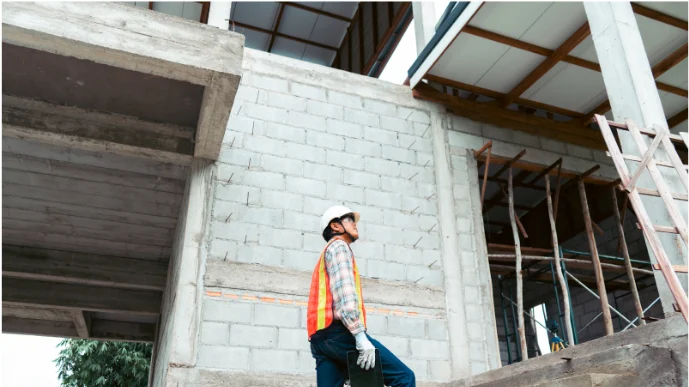
Thinking of selling your home As-Is but worried about financing issues? You'll need to know about MPRs. These are the basic standards that lenders require before they'll approve a loan for a home purchase - think of them as a lender's way of making sure the home is safe and livable.
MPRs are especially important when it comes to government-backed loans like FHA, VA, and USDA mortgages. Even if you're planning to sell your home exactly as it stands, these requirements can affect whether your potential buyer can get financing for the purchase.
While cash buyers and investors might not care about MPRs, they're crucial to understand if you want to attract buyers who need a mortgage. After all, you don't want to get halfway through a sale only to discover your buyer can't get their loan approved because the property doesn't meet these basic standards.
Buyer Limitations - Buyers relying on FHA, VA, or USDA loans may not be able to purchase a home that doesn’t meet MPRs, reducing the pool of potential buyers.
Inspection and Appraisal Issues - If an appraiser identifies MPR violations, the loan could be denied unless repairs are completed, creating complications in an As-Is sale.
Potential Solutions:
Cash Buyers or Conventional Loans: These buyers often don’t face the same strict requirements, making them ideal for As-Is sales.
Pre-Sale Inspection: Identifying potential MPR issues upfront can help set realistic buyer expectations.
Negotiation: Some buyers might agree to handle repairs themselves after purchase, provided the seller reduces the price accordingly.
Understanding MPRs is crucial when selling your home As-Is, as these requirements can significantly impact your pool of potential buyers. While meeting these standards might seem at odds with an As-Is sale, you have options - from targeting cash buyers who aren't bound by MPR restrictions to adjusting your pricing to account for needed repairs.
By being transparent about your property's condition and understanding how MPRs affect financing, you can develop a realistic selling strategy that helps you avoid unexpected hurdles during the sale process.

Selling As-Is means you won’t make any repairs or upgrades to the property before the sale. The buyer agrees to purchase the home in its current condition, including any defects or issues.
Yes, you are typically required by law to disclose known issues, such as structural damage, plumbing problems, or mold. Selling As-Is doesn’t exempt you from disclosure requirements, but it does make clear that the buyer takes on responsibility for any repairs.
Yes, homes requiring extensive repairs can still sell As-Is. However, the price may need to reflect the cost of those repairs. Many investors and cash buyers are specifically looking for fixer-uppers.
You may receive a lower price compared to homes that are move-in ready because buyers factor repair costs into their offers. However, selling As-Is can save you money on repairs and speed up the sales process
Pricing As-Is properties involves assessing comparable homes in your area, factoring in the cost of necessary repairs, and considering market demand. A real estate agent or appraiser can help you determine a competitive price.
Selling As-Is can save time, money, and effort by avoiding repairs and renovations. It’s also ideal for sellers facing tight timelines, financial difficulties, or other constraints.
The main downside is a potentially lower sale price. You may also attract fewer buyers, as some people prefer homes that don’t need work.
Typical buyers include real estate investors, house-flipping companies, cash buyers, or individuals looking for affordable homes they can renovate themselves.
Yes, but you’ll need to settle the mortgage or lien at closing. The proceeds from the sale will go toward paying off these debts, and any remaining amount will be yours.
While you’re not required to use an agent, a knowledgeable real estate agent can help market the property, find buyers, and navigate pricing. Alternatively, you can sell directly to a cash buyer or investor.
Most buyers will want an inspection to assess the property’s condition. However, with As-Is sales, buyers typically can’t negotiate for repairs based on the inspection results.
You can choose to market your home exclusively to cash buyers, especially if speed and simplicity are priorities. Cash offers often close faster and don’t rely on financing contingencies.
The fastest way is to sell directly to a cash buyer or an investor who specializes in As-Is properties. These sales usually close quickly because they avoid traditional financing and lengthy contingencies.
Homes with significant repair needs, inherited properties, homes owned by sellers facing financial hardship, or those requiring quick sales are good candidates for As-Is transactions.
Yes, in a hot market, even As-Is properties can attract interest, especially from investors or buyers willing to take on renovation projects.
Selling to an investor can be a practical option if your home needs significant work and you want to avoid repair costs and delays. Investors typically buy As-Is and factor renovations into their offers, though the tradeoff is often a lower price.
If your home is in good condition and you’re not under time pressure, a traditional sale may bring a higher return. In those cases, homeowners sometimes realize there were better alternatives than selling to an investor right away.
Lenders usually require homes to meet basic safety and livability standards, including working utilities, a sound roof, and no major hazards. Properties that don’t meet these requirements often need repairs before financing is approved.
Yes. Most homes are sold before the mortgage is paid off. The remaining loan balance is typically paid at closing using the sale proceeds, whether you sell traditionally or As-Is.
Yes. FHA loans have strict property standards, and homes with safety or condition issues may not qualify without repairs. This can limit buyer options when selling As-Is.
Visible damage, deferred maintenance, outdated systems, and safety concerns can all reduce a home’s appraised value. This can create problems for buyers who rely on financing.
Here's the bottom line - selling your house As-Is could be your smartest move right now. Once you know what to expect and how the process works, you're already ahead of the game. Sure, you might not get those top-dollar offers that upgraded homes attract, but think about all the time and money you won't spend on repairs and renovations. The secret sauce? Being totally honest about your home's condition from day one. This way, you'll draw in the right kinds of buyers - whether they're investors, cash buyers, or traditional homebuyers - who know exactly what they're getting and are ready to make a deal.
or call us at 855-659-3289
Searching and Processing Address