Selling a home on your own can feel like a big decision. There’s a lot to consider, from pricing and paperwork to marketing and negotiations. But if you’re willing to put in the time and effort, going the For Sale By Owner (FSBO) route can save you a significant amount of money.
This guide will walk you through everything you need to know to successfully sell your home without a real estate agent. By the end, you’ll have all the tools and confidence you need to tackle the process like a pro.
Why Go FSBO?
The main reason most homeowners choose FSBO is to save on commission fees. Real estate agents typically charge 5-6% of the sale price, which can amount to tens of thousands of dollars. For example:
- Sale Price: $250,000
- Agent Commission: $12,500 - $15,000
By skipping the agent, you can keep more of that money in your pocket. However, selling FSBO comes with its own costs and responsibilities. You’ll need to budget for expenses like marketing, photography, and possibly legal help. Expect to spend about 2.5-3% of the sale price on these tasks.
Steps to Sell Your Home Without a Realtor
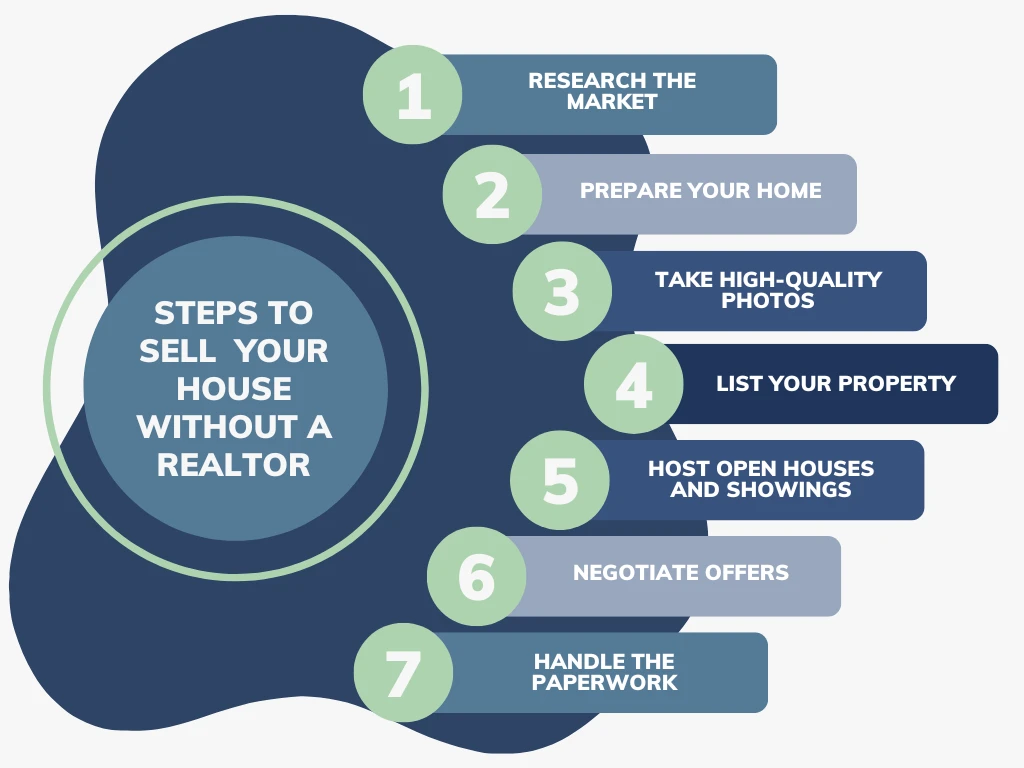
1. Research the Market
Knowledge is your best tool when it comes to selling your home successfully. A thorough understanding of the market and the factors that influence it will help you make informed decisions, set a realistic price, and attract the right buyers. Start by researching:
- Local Market Trends: Check how quickly homes are selling in your area. Are prices rising or falling?
- Comparable Sales (Comps): Look at homes similar to yours that have sold in the last 90 days. This will help you set a competitive price.
- Buyer Expectations: Understand what buyers are looking for in your neighborhood. Is curb appeal a big deal? Are modern kitchens a must?
- Seasonal Trends: Take note of the best times to sell in your area. Homes often sell faster in spring and summer compared to winter months.
- Local Economic Factors: Consider factors like job growth, school quality, and new developments that might influence buyer interest and home values.
*Important Warning: Be cautious when using online tools like Zillow or Redfin for your research. These sites rely on algorithms and formulas that may not accurately reflect your local market conditions. Their estimates often fail to consider unique factors like neighborhood desirability or recent renovations. Instead, consult a real estate attorney or appraiser for more reliable data, or purchase a Comparative Market Analysis (CMA) report from a professional.
2. Prepare Your Home
First impressions matter. A clean, well-maintained home will attract more buyers and fetch higher offers. Here's how to ensure your home is at its best:
- Declutter and Depersonalize:
- Go room by room to remove unnecessary items, keeping only essential furniture and decor.
- Pack away personal photos, collections, and unique decor to create a neutral space where buyers can envision their own lives.
- Consider renting a storage unit for larger items or excess furniture to make spaces appear larger and more functional.
- Make Repairs:
- Address minor issues that could deter buyers, such as:
- Leaky faucets or running toilets
- Chipped paint or scuffed baseboards
- Squeaky doors or stuck windows
- If there are larger problems like a damaged roof or outdated electrical work, prioritize fixing them if your budget allows. These repairs can significantly boost buyer confidence.
- Enhance Curb Appeal:
- The exterior is the first thing buyers see, so make it count.
- Mow the lawn, trim bushes, and remove any dead plants or weeds.
- Add pops of color with seasonal flowers or potted plants near the entrance.
- Clean driveways and walkways with a pressure washer to make them look fresh.
- Replace old house numbers, light fixtures, or a worn-out doormat for an instant refresh.
- Deep Clean:
- Don’t underestimate the power of a spotless home.
- Pay special attention to kitchens and bathrooms, as buyers scrutinize these areas closely.
- Shampoo carpets, polish hardwood floors, and wipe down baseboards, vents, and ceiling fans.
- Neutralize odors by cleaning thoroughly and using lightly scented air fresheners.
Before listing your home, consider hiring a home inspector to give you a heads-up on any repairs or replacements that might be flagged by potential buyers later. An inspection can help you proactively address issues, ensuring a smoother sales process and preventing surprises during negotiations.
*Expert Tip: If you have the budget, consider hiring a professional stager. Staged homes not only sell faster but often attract higher offers. A stager can optimize furniture placement, decor, and lighting to highlight your home's best features.
By taking these steps, you’ll create a welcoming, move-in-ready home that stands out in the market and maximizes your sale potential.
3. Take High-Quality Photos
Your photos are the first thing buyers will see online, and they often determine whether someone decides to visit your home in person. High-quality, eye-catching images can make your listing stand out from the competition and attract more potential buyers. In fact, according to the National Association of Realtors, 87% of buyers find photos important when searching for homes online, especially among younger buyers.
- Hire a Professional Photographer:
- A real estate photographer knows how to showcase your home in the best light, capturing its size, layout, and unique features.
- If hiring a professional isn’t feasible, consider renting a high-quality camera and tripod to take your own photos.
- Use Natural Lighting:
- Schedule your photoshoot during the day when natural light is at its peak.
- Open blinds and curtains to let in as much light as possible and turn on interior lights to eliminate shadows.
- Avoid using harsh flash, as it can distort colors and make rooms look unnatural.
- Capture Wide-Angle Shots:
- Use a wide-angle lens to make rooms appear larger and provide a comprehensive view.
- Take photos from corners or doorways to show as much of the space as possible.
- Highlight the Best Features:
- Focus on the standout elements of your home, such as:
- A modern kitchen with stainless steel appliances
- Spacious walk-in closets
- Cozy fireplaces or unique architectural details
- Include close-up shots of special features and wider shots of entire rooms.
- Showcase the Exterior:
- Don’t forget to photograph the front of the house, backyard, and any outdoor living spaces like patios or decks.
- Highlight landscaping, outdoor amenities, and any unique features like a pool or garden.
- Declutter Before Shooting:
- Remove any distracting items, such as pet toys, piles of mail, or personal hygiene products.
- Ensure counters, tables, and shelves are clean and free of clutter to create a polished look.
- Edit Photos Professionally:
- Whether you hire a photographer or take the photos yourself, use editing software to enhance brightness, color balance, and sharpness.
- Avoid over-editing or using filters that misrepresent the home’s appearance.
By investing time and effort into your photos, you’ll create a visually appealing listing that invites buyers to imagine themselves living in your home—and motivates them to take the next step.
*Expert Tip: Include a floor plan or video tour to make your listing stand out.

4. List Your Property
As a For Sale By Owner (FSBO) seller, you won’t have access to the Multiple Listing Service (MLS), but that doesn’t mean you can’t effectively market your property. With the right strategies, you can reach a broad audience and attract serious buyers. Here's how:
- Online Listing Sites:
- Post your property on popular real estate websites like Zillow, Redfin, and FSBO.com.
- Don’t overlook platforms like Craigslist and Facebook Marketplace for additional exposure.
- Pay attention to each platform’s listing requirements and optimize your post with high-quality photos and a detailed description.
- Social Media:
- Share your listing on your personal social media accounts to reach friends, family, and their networks.
- Join and post in local community groups or neighborhood-focused forums on Facebook.
- Use relevant hashtags like #HomeForSale, #FSBO, and the name of your city to make your post easier to find.
- Create an Instagram or TikTok reel showcasing your home’s best features with music and captions to engage a younger audience.
- Yard Signs:
- Place a professional-looking “For Sale” sign in your front yard with clear contact information.
- Include a QR code that links to your online listing for easy access to additional details and photos.
- If your home is in a high-traffic area, consider adding directional signs at nearby intersections to guide interested buyers.
- Flyers and Brochures:
- Print flyers with key details about your home and distribute them at local businesses, community centers, or schools.
- Include high-quality images, a brief but compelling description, and your contact information.
- Local Newspapers and Magazines:
- Advertise your property in local print or online publications. Many buyers still browse these sources for real estate opportunities.
*Expert Tip: Write a Compelling Description
The right words can make your listing stand out and spark interest. Here’s how to craft an irresistible description:
- Start with a headline that grabs attention, like "Charming 3-Bedroom Home in the Heart of [City Name]."
- Highlight unique features and upgrades, such as:
- "Spacious backyard perfect for summer BBQs and outdoor entertaining."
- "Recently updated kitchen with sleek stainless steel appliances and quartz countertops."
- "Bright and airy living room with vaulted ceilings and hardwood floors."
- Include practical details, like square footage, the number of bedrooms and bathrooms, and nearby amenities (e.g., schools, parks, shopping centers).
- Use descriptive language that helps potential buyers imagine living in your home, but stay honest and accurate to avoid future disputes.
By leveraging multiple platforms and crafting an engaging listing, you’ll maximize your property’s visibility and attract serious buyers—even without access to the MLS.
5. Host Open Houses and Showings
Showcasing your home is a crucial step in the selling process. Here’s how to make it a success:
- Schedule showings during weekends or evenings to accommodate buyers.
- Keep the house clean, bright, and smelling fresh.
- Provide printed flyers with key details about your home.
- Keep pets secured or away from the home during showings and open houses.
- Safely secure all medications and firearms.
- Try not to have children present so potential buyers can focus on the home.
- Make sure to tell potential buyers ‘why’ you like the home and point out key benefits.
*Expert Tip: Create a virtual tour for buyers who may not be able to visit in person.
6. Negotiate Offers
When a buyer makes an offer, it’s an exciting step forward, but it’s also where careful negotiation comes into play. Knowing what to expect and how to handle this phase can ensure you get the best deal possible.
- Understand the Key Points of Negotiation:
- Purchase Price:
- Evaluate whether the offer is fair based on comparable sales in your area, the current market, and your home’s condition.
- If the offer is too low, prepare a counteroffer that reflects your desired price while leaving some room for negotiation.
- Closing Date:
- The buyer may request a specific closing date to align with their move or financing schedule. Be flexible but ensure the timeline works for you.
- Contingencies:
- Common contingencies include a home inspection, buyer financing, or the sale of the buyer’s current home.
- Discuss the terms carefully, as contingencies can delay or complicate the sale. For example, if a buyer’s offer is contingent on selling their home, consider adding a time limit to reduce your risk.
- Be Prepared to Counteroffer:
- If the buyer’s offer doesn’t meet your expectations, respond with a counteroffer that balances their needs and your bottom line.
- Be specific about changes to the price, closing date, or terms, and put everything in writing.
- Keep emotions in check and maintain a polite, professional tone throughout the process.
- Know When to Accept or Walk Away:
- If a buyer’s offer is competitive and they show a genuine interest in your home, it may be worth accepting even if it’s slightly below your asking price.
- If the offer is far from your expectations and negotiations stall, don’t hesitate to move on to other potential buyers.
*Expert Tip: Consult a Real Estate Attorney
A real estate attorney can review all offers and ensure that the terms are legally sound. They can also help you craft counteroffers and protect you from potential legal pitfalls during negotiations. Their expertise is especially valuable for FSBO transactions, where you don’t have a Realtor to guide you.
7. Handle the Paperwork
Selling a home involves navigating a substantial amount of paperwork, which can feel overwhelming if you’re handling it on your own. Understanding what’s required and enlisting the right support can simplify the process and ensure nothing is overlooked.
- Common Documents You’ll Need:
- Purchase Agreement:
- This is the legally binding contract between you and the buyer that outlines the terms of the sale, including the price, contingencies, and closing date.
- Property Disclosure Form:
- Most states require sellers to disclose known issues with the property, such as structural damage, pest infestations, or outdated systems.
- Failing to disclose problems can result in legal consequences, so ensure the form is complete and accurate.
- Deed Transfer:
- This document officially transfers ownership of the property to the buyer at closing.
- A title company or real estate attorney can help ensure the deed is properly prepared and filed.
- Closing Statement:
- This document provides a detailed breakdown of all costs and payments related to the sale, including taxes, fees, and the final purchase price.
- Additional Considerations:
- If the buyer is financing the purchase, you may need to provide a Payoff Statement from your mortgage lender, showing the remaining balance on your loan.
- Prepare copies of past utility bills, HOA agreements, or warranties for major appliances to assist the buyer in their transition.
- Seek Professional Help:
- Hire a Real Estate Attorney or Title Company:
- They can guide you through the paperwork, ensure all forms are completed correctly, and help you avoid costly mistakes.
- Their services are typically more affordable than hiring a full-service Realtor.
- Work with a Notary:
- Many documents, including the deed, must be notarized. Scheduling a mobile notary can be a convenient way to handle this.
- Stay Organized:
- Create a checklist of required documents and deadlines to ensure nothing falls through the cracks.
- Keep a digital and physical folder with all important paperwork for easy reference.
By staying organized and seeking expert help when needed, you’ll navigate the paperwork with confidence and move closer to closing the sale successfully.
Pros and Cons of Working With A Real Estate Agent
Working with a real estate agent can be a big help for some sellers, but it’s not always the right fit for everyone. Understanding both the benefits and the trade-offs can help you decide whether hiring an agent makes sense for your situation.
Pros of Working With a Real Estate Agent
A strong agent can take a lot of the pressure off your plate. From pricing your home based on local market data to handling showings, negotiations, and paperwork, an experienced professional can help keep the process organized and on track. Many sellers appreciate having someone guide them through disclosures, inspections, and contract details, especially if they haven’t sold a home before.
Agents also bring marketing reach that most individual sellers don’t have. Between professional photos, online listings, buyer networks, and open houses, they can often generate more exposure than a typical FSBO listing. In many cases, this visibility helps homes sell faster and with fewer logistical headaches.
For homeowners who value hands-on support and don’t mind paying a commission, working with the right agent can make the selling process feel far more manageable.
Cons of Working With a Real Estate Agent
That said, not every experience with an agent is a positive one. Commission fees alone can take a noticeable bite out of your proceeds. On a higher-priced home, that can mean tens of thousands of dollars gone at closing.
Beyond cost, some sellers grow frustrated with poor communication, unrealistic pricing advice, or a lack of urgency once the listing goes live. If your home sits on the market longer than expected or you feel out of the loop, it’s often a sign that something isn’t working. These are common signs of a bad real estate agent, and they’re more common than many homeowners expect.
Many sellers also don’t realize they’re not necessarily stuck in that situation. In some cases, changing real estate agents is an option, even if your home is already listed. If the relationship isn’t a good fit, understanding how to switch Realtors as a seller can help you move forward without restarting the entire process.
Still, even a great agent may not be ideal for every homeowner. If your house is in excellent condition, you’re not in a hurry, and you’re comfortable handling negotiations and paperwork, an agent might help you maximize value. But if time, convenience, or avoiding fees matter more, other options may be worth considering.
FAQ: Selling Your Home Without a Realtor

-
- How much money can I save by going FSBO? You can save 5-6% of the sale price by avoiding agent commissions. However, budget 2.5-3% for marketing, legal help, and other expenses.
- What are the biggest challenges of selling FSBO? The most common challenges include pricing your home accurately, marketing effectively, and handling negotiations and paperwork.
- Do I need a lawyer to sell my house? While not required in all states, hiring a real estate attorney can help ensure your paperwork is accurate and legally binding.
- Can I list my home on the MLS as an FSBO? Some flat-fee services allow FSBO sellers to list their homes on the MLS for a one-time fee.
- Is selling to a cash buyer a good idea? Selling to a cash buyer is a great option if you need a quick, hassle-free sale. Companies like House Buyers of America can make the process simple and fast.
- What problems might I run into when selling my home myself? Some of the biggest problems homeowners face are overestimating home value, falling victim to scams, and legal liabilities.
- What does it mean to sell my home off-market? Off-market means you're not listing your site on the MLS, and you'll have to do your own research to find a buyer.
- Should I sell my home off-market? There are many pros and cons to selling your home off-market, and ultimately, it depends on your specific needs. If you already know a buyer, this is a good option, otherwise it may make more sense to list it.
-
Alternative Option: Sell to House Buyers of America
If selling FSBO feels like too much work, there’s another option: sell your home to House Buyers of America. Here’s why it’s worth considering:
- Fast Sales: Get a cash offer within minutes.
- No Repairs Needed: We buy homes in any condition.
- No Fees: Skip the commission and closing costs.
With over 374 five-star reviews and an A+ rating from the Better Business Bureau, we’re a trusted choice for homeowners looking for a hassle-free sale.
Selling your home without a Realtor isn’t easy, but it’s absolutely doable. By following these steps and tips, you can save money and successfully sell your home on your own terms. Whether you go FSBO or sell to a cash buyer, the key is preparation and persistence. Good luck!
