December 18, 2024

Selling a home is one of the most significant financial transactions you’ll ever make and understanding how a real estate agent will help you sell your house can make the process much easier. While going the For Sale By Owner (FSBO) route is an option, it requires you to learn a wide range of skills quickly, from marketing to negotiation. For most people, hiring a real estate agent is the best way to ensure the process is smooth and successful.
This guide will walk you through everything you need to know about working with a real estate agent, including what they do, how to choose one, and how they market your home. By the end, you’ll have the tools and insights needed to make informed decisions and get the best possible outcome.
What are the Benefits of Hiring a Real Estate Agent?
Hiring a real estate agent offers numerous advantages that can make the home-selling process smoother and more profitable:
1. Pricing Expertise
- Agents use data and local market knowledge to set a competitive price for your home.
- Their expertise ensures your home is neither underpriced or overpriced, attracting serious buyers quickly.
2. Marketing Savvy
- From professional photography to online listings, agents employ strategies to maximize your home’s exposure.
- They know how to target the right audience through platforms like the MLS, social media, and open houses.
3. Negotiation Skills
- Real estate agents advocate for your best interests during offers and counteroffers.
- They are skilled at handling negotiations to ensure you get the best possible price and terms.
4. Network of Professionals
- Agents can connect you with trusted contractors, stagers, photographers, and other professionals to prepare your home for sale.
- This network ensures your home is presented in the best light, attracting more buyers.
5. Time-Saving Support
- Selling a home is time-intensive, but agents handle many of the details, including showings, paperwork, and marketing.
- Their support allows you to focus on other priorities while they manage the logistics of the sale.
By leveraging these benefits, real estate agents help you navigate the complexities of selling your home with ease and confidence.

What are the Cons of Hiring a Real Estate Agent?
While hiring a real estate agent offers many benefits, there are some potential downsides to consider:
1. Cost of Commission
- Real estate agents typically charge a commission of 5-6% of the sale price, which can amount to thousands of dollars.
- For sellers on a tight budget, this cost may feel significant compared to alternatives like FSBO or discount brokerages.
2. Lack of Control
- You’ll rely on your agent for decision-making in areas like pricing, marketing strategies, and negotiation tactics.
- Some sellers may feel uneasy about not having full control over the process or may disagree with their agent’s approach.
3. Quality Can Vary
- Not all agents provide the same level of expertise or service. Choosing the wrong agent could result in:
- Overpricing your home, causing it to linger on the market.
- Inadequate marketing, leading to fewer showings and offers.
4. Conflicts of Interest
- Agents work on commission, meaning their income depends on closing the sale. In some cases, this may lead to pressure to accept an offer that isn’t ideal for you.
- A dual agency (when one agent represents both the buyer and seller) can create conflicts of interest, as the agent must balance both parties’ needs.
5. Dependency on Market Conditions
- Agents are not magicians; even with their expertise, factors like a slow housing market or an oversupply of homes in your area may affect the sale.
- In some cases, sellers may feel frustrated if the agent cannot overcome external challenges.
While hiring a real estate agent is the best choice for many sellers, it’s important to weigh these potential drawbacks against the benefits. Ensuring you hire the right agent for your specific needs can help mitigate many of these cons.
Avoid Agent Fees
Expected Costs When Selling With an Agent
Compare costs and make informed decisions.


Unlock the Full Calculator
How Real Estate Agents Sell Your Home: A Step-by-Step Process

A real estate agent follows a well-structured process to ensure your home sells for the best price and within a reasonable timeframe. Here’s a detailed look at each step of their involvement:
Step 1: Initial Consultation and Strategy Development
- Understanding Your Goals: The agent begins by discussing your objectives, such as your desired timeline, financial expectations, and any concerns you may have about the selling process.
- Home Evaluation: They conduct a walkthrough of your property to assess its condition, unique features, and potential selling points.
- Comparative Market Analysis (CMA): The agent researches recent sales in your area to determine a competitive asking price for your home. They balance market data with their professional intuition to set a price that attracts buyers and maximizes your return.
Step 2: Preparing Your Home for Sale
- Staging Recommendations: Your agent provides guidance or arranges for professional staging to make your home more appealing to buyers. This includes furniture placement, decluttering, and depersonalizing.
- Repairs and Upgrades: They recommend cost-effective repairs or minor upgrades that can significantly increase your home’s value.
- Professional Photography and Virtual Tours: High-quality images and videos are essential for attracting online buyers. Your agent will coordinate with professional photographers and videographers to showcase your property.
Step 3: Marketing the Property
- MLS Listing Creation: Your agent crafts a compelling MLS listing, including an engaging description, accurate property details, and stunning visuals.
- Online and Social Media Promotion: They promote your home on platforms like Zillow, Redfin, Facebook, and Instagram, ensuring it reaches the widest possible audience.
- Open Houses and Showings: They organize and host open houses, as well as private showings, to showcase your home to potential buyers.
- Print and Direct Mail Campaigns: In some cases, your agent may also use traditional methods like flyers or postcards to target local buyers.
Step 4: Managing Buyer Interest
- Screening Potential Buyers: Your agent ensures that interested buyers are preapproved for a mortgage, which reduces the likelihood of deals falling through.
- Fielding Offers: Once offers start coming in, your agent reviews them with you, explaining the terms, contingencies, and financial implications of each.
Step 5: Negotiation and Counteroffers
- Strategic Negotiation: Your agent negotiates on your behalf to get the best possible price and terms. This includes countering lowball offers, navigating contingencies, and advocating for your interests.
- Offer Acceptance: When the right offer comes along, your agent guides you through the process of accepting it and moving to the next stage.
The Agent’s Role in the Final Stages
The final stages of selling a home are often the most complex, involving legalities, inspections, appraisals, and closing paperwork. Here’s how your agent ensures the process goes smoothly:
Step 6: Navigating Inspections and Appraisals
- Home Inspections: After an offer is accepted, the buyer typically schedules a home inspection. Your agent:
- Prepares you for potential issues that could arise.
- Negotiates repairs or seller credits if problems are discovered.
- Works to ensure any findings don’t derail the sale.
- Appraisals: If the buyer is financing the purchase, their lender will require an appraisal to verify the home’s value. Your agent:
- Attends the appraisal to provide context about the home’s features and improvements.
- Counters low appraisals by presenting comparable sales data and justifications for the agreed price.
Step 7: Managing Contingencies
- Financing Contingencies: Your agent ensures that buyers meet their financing deadlines and helps navigate any delays.
- Home Sale Contingencies: If the buyer’s purchase depends on selling their home first, your agent works to coordinate timelines and minimize risks.
Step 8: Final Walkthrough and Closing
- Buyer Walkthrough: Before closing, the buyer may conduct a final walkthrough to ensure the property is in agreed-upon condition. Your agent:
- Helps you prepare for this step by addressing any last-minute concerns.
- Resolves any disputes that arise during the walkthrough.
- Closing Coordination: The closing process involves numerous documents and signatures. Your agent:
- Works with title companies, attorneys, and the buyer’s agent to ensure all paperwork is accurate and complete.
- Reviews the settlement statement with you to confirm all financial details are correct.
- Advocates for you in case of last-minute issues, such as funding delays or discrepancies in the agreement.
Step 9: Post-Sale Support
- Transition Assistance: Your agent may assist with logistics like transferring utilities or arranging a timeline for vacating the property.
- Referrals and Feedback: If needed, they can connect you with movers or other service providers to facilitate your next steps.
The last stages of a home sale are where deals can fall apart, making your agent’s role crucial. They serve as your advocate and problem solver, ensuring the sale closes on time and under favorable conditions. Without their expertise, you might face unnecessary delays, legal complications, or financial losses.
By taking care of these complex and time-sensitive tasks, your real estate agent ensures that the final stages of selling your home are as stress-free and successful as possible.
Questions to Ask When Choosing a Real Estate Agent

Not all real estate agents are created equal, so choosing the right one is crucial. Here’s an expanded list of questions to ask when interviewing potential agents, along with explanations to help you evaluate their answers effectively.
1. How Long Have You Been an Agent?
Experience matters. Agents with years in the industry have likely dealt with a variety of scenarios, such as market downturns, bidding wars, or complex negotiations. Experienced agents also have established relationships with other real estate professionals, which can be an asset during the sale.
Follow-Up Question:
- “Have you experienced market shifts, and how did you navigate them?”
(This will give you insight into their adaptability and problem-solving skills.)
2. How Many Homes Have You Helped Sell?
The average agent sells about 12 homes a year, but this number can vary depending on the market and the agent’s business model. If an agent’s numbers are significantly lower, it may indicate a lack of experience or resources.
Follow-Up Questions:
- “What types of properties do you typically sell (single-family homes, condos, luxury homes)?”
(This ensures they have experience with homes similar to yours.) - “Have you worked with sellers in situations like mine (e.g., relocating, estate sales, or short sales)?”
(Agents with experience in your specific situation are better equipped to handle unique challenges.)
3. How Many Clients Are You Currently Working With?
Agents juggling too many clients may struggle to give your property the attention it deserves. On the other hand, agents with very few clients may lack experience or marketing reach.
Follow-Up Questions:
- “How do you balance your workload to ensure each client gets the attention they need?”
- “Do you have an assistant or support team to help manage tasks like scheduling and paperwork?”
(Agents with a support team can often handle a higher workload without sacrificing quality.)
4. Have You Sold Homes in My Price Range or Neighborhood?
Local expertise is critical. Agents familiar with your area understand its unique market dynamics, such as buyer preferences, seasonal trends, and pricing benchmarks.
Follow-Up Questions:
- “What is the average time on the market for homes in my area?”
(This shows their knowledge of local market trends.) - “What are some challenges you’ve encountered selling homes in this neighborhood, and how did you overcome them?”
(This gives insight into their problem-solving skills and creativity.)
5. What’s Your Preferred Communication Style?
Quick and effective communication is essential in a fast-moving market. Knowing how often your agent will update you and their preferred method of communication (phone, email, text) helps set expectations.
Follow-Up Questions:
- “How soon can I expect a response if I contact you with a question?”
(This will help gauge their responsiveness.) - “Will I be working with you directly or with a member of your team?”
(This clarifies who your primary point of contact will be.)
6. What’s Your Marketing Plan for My Home?
A successful sale relies on a strong marketing strategy. Ask how they plan to attract buyers to your home.
Key Details to Look For:
- Professional photography and virtual tours.
- Listing on the Multiple Listing Service (MLS) and major real estate websites.
- Social media promotion.
- Open houses and private showings.
Follow-Up Question:
- “Can you provide examples of past marketing campaigns for homes similar to mine?”
(This shows their creativity and ability to adapt strategies to specific homes.)
7. What’s Your Success Rate with Closing Deals?
An agent’s ability to close deals is just as important as their ability to attract buyers. Low closing rates could indicate problems with pricing, negotiation, or communication.
Follow-Up Questions:
- “What percentage of your listings result in closed sales?”
- “Have you had deals fall through? If so, what were the reasons, and how did you handle them?”
(This will highlight their experience managing challenges during the closing process.)
8. What Fees and Commissions Should I Expect?
Understanding the cost of working with an agent upfront avoids surprises later. Most agents charge a commission of 5-6%, split between the buyer’s and seller’s agents.
Follow-Up Questions:
- “Are your commission rates negotiable?”
- “What additional costs should I anticipate, such as staging, photography, or marketing fees?”
(This helps you budget accurately.)
9. What Sets You Apart from Other Agents?
This question allows the agent to highlight their unique selling points, such as specialized training, certifications, or innovative marketing techniques.
Follow-Up Questions:
- “Do you hold any special certifications (e.g., Accredited Buyer’s Representative, Certified Residential Specialist)?”
(Certifications can indicate advanced expertise.) - “What do past clients say about working with you?”
(If others had a positive experience, that bodes well for you.)
10. What Challenges Do You Anticipate for My Sale?
Every home sale has its challenges, and a good agent will be upfront about potential obstacles while offering solutions.
Follow-Up Question:
- “How will you address these challenges to ensure a smooth sale?”
(This tests their ability to anticipate problems and plan ahead.)
11. What Happens If My Home Doesn’t Sell?
Sometimes, homes take longer to sell than expected. It’s important to know what steps your agent will take if your home doesn’t attract offers quickly.
Follow-Up Question:
- “How often will we reassess the pricing or marketing strategy?”
(This shows their commitment to adapting to changing market conditions.)
12. Can You Provide References from Past Clients?
Hearing directly from previous clients can give you a sense of what it’s like to work with the agent. Look for agents who are happy to share testimonials.
Follow-Up Question:
- “Can I contact one or two of your recent clients for feedback?”
(This allows you to verify the agent’s claims and get an unbiased perspective.)
By asking these questions and evaluating the answers carefully, you’ll be well-equipped to choose a real estate agent who understands your needs, aligns with your goals, and has the expertise to help you sell your home successfully.
What Does a Real Estate Agent Do to Sell Your Home?
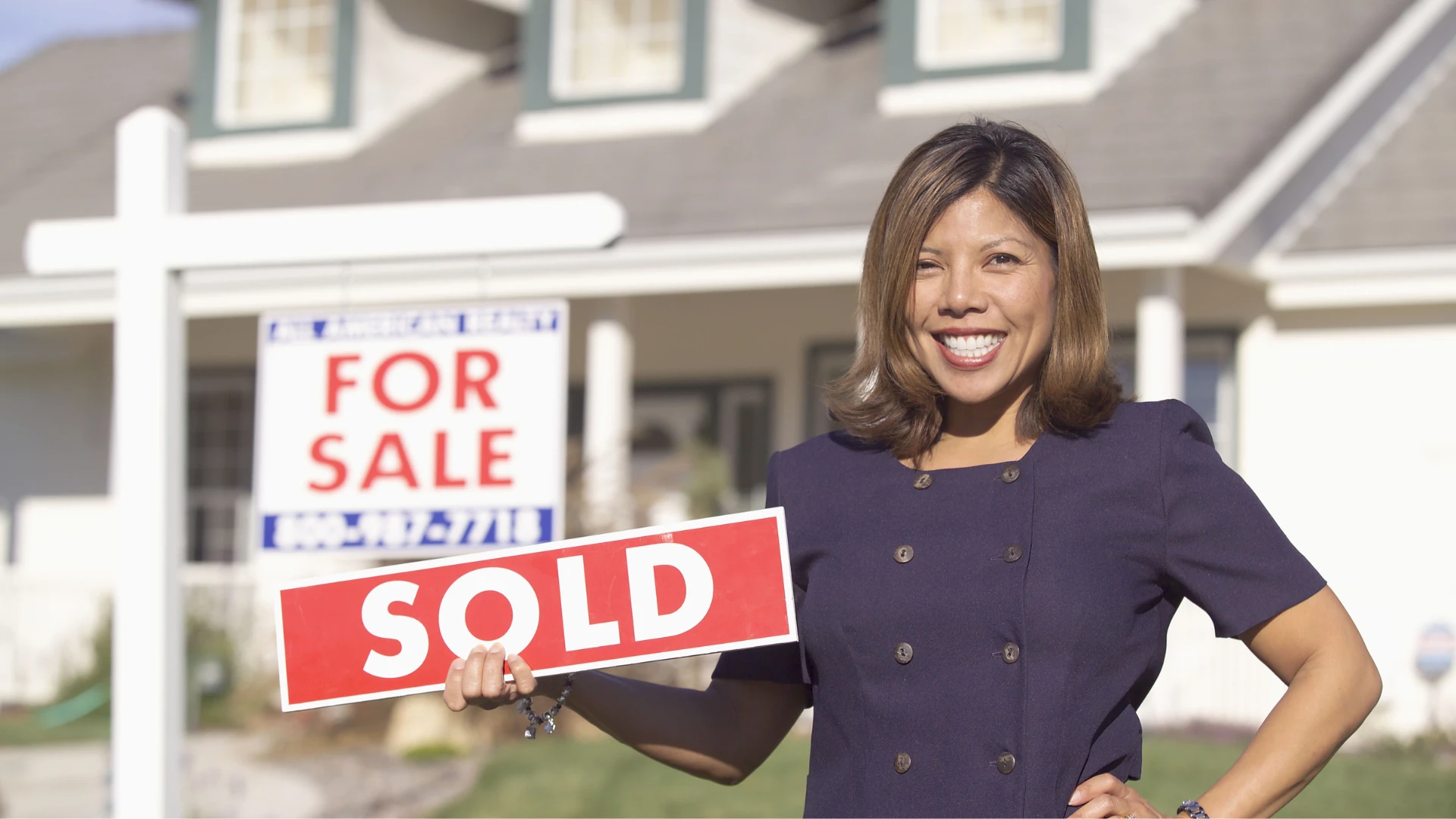
Marketing is one of the most critical aspects of selling a home, and good agents use a variety of methods to reach the right buyers.
1. Listing on the MLS
The Multiple Listing Service (MLS) is the cornerstone of real estate marketing. It’s a database that agents use to share listings with other agents and their clients. Homes listed on the MLS also appear on major real estate websites like Zillow, Realtor.com, and Redfin.
Key Elements of a Strong MLS Listing:
- High-Quality Photos: Professional photography can make your home stand out. Some agents even offer virtual tours or 3D walkthroughs.
- Compelling Descriptions: Highlight unique features of your home, such as energy-efficient appliances, spacious layouts, or proximity to amenities.
- Accurate Details: Ensure the listing includes correct information about square footage, number of bedrooms, and recent upgrades.
2. Open Houses
Hosting an open house is a time-tested way to attract buyers. Here’s how to prepare:
- Declutter and Depersonalize: Remove personal items and excess furniture to make the space feel inviting.
- Deep Clean: Pay special attention to kitchens, bathrooms, and entryways.
- Stage Strategically: Arrange furniture to maximize space and showcase the home’s best features.
When to Consider an Open House:
- If the property is in a high-traffic area.
- If the home has unique features that are better experienced in person.
- If you want to generate buzz quickly.
3. Social Media Marketing
Agents often use platforms like Facebook, Instagram, and Pinterest to promote listings. This can include:
- Sponsored Ads: Targeted campaigns to reach specific demographics.
- Organic Posts: Sharing photos, videos, and updates about the property.
- Virtual Events: Hosting live walkthroughs or Q&A sessions.
4. Direct Mail Campaigns
Some agents send postcards or flyers to local neighborhoods. While less common, this can still be effective for targeting nearby buyers.
5. Real Estate Networks
Experienced agents often have connections with other agents and real estate investors who may have clients interested in your property. This network can help your home sell faster.
The Pricing Strategy: Art Meets Science
Setting the right price for your home is one of the most important decisions you’ll make. An agent will use:
- Comparative Market Analysis (CMA): A report analyzing recent sales of similar homes in your area.
- Local Market Knowledge: Insights into trends, such as whether it’s a buyer’s or seller’s market.
- Strategic Adjustments: Balancing data with intuition to attract competitive offers.
Preparing Your Home for Sale
1. Decluttering and Cleaning
A clean, uncluttered home is more appealing to buyers. Focus on:
- Kitchens and Bathrooms: These are high-impact areas that buyers pay extra attention to.
- Curb Appeal: First impressions matter, so spruce up the exterior with fresh landscaping or a power wash.
2. Staging
Professional staging can make a significant difference. It helps buyers envision themselves living in the space and can lead to higher offers.
3. Repairs and Upgrades
Discuss with your agent which repairs will yield the best return on investment. Sometimes, small updates like a fresh coat of paint or new hardware can make a big difference.
Overcoming Common Challenges When Selling Your Home

Selling a home can come with unexpected obstacles, but a skilled real estate agent will help you overcome these challenges to keep the sale on track. Here’s how they address some of the most common issues:
1. Inspections and Appraisals
Inspections and appraisals are critical parts of the home-selling process, but they can sometimes lead to complications. A real estate agent plays a vital role in mitigating these challenges.
- Low Appraisals: If an appraisal comes in lower than the agreed sale price, your agent can:
- Provide additional comparables (recent sales of similar properties) to justify the agreed price.
- Negotiate with the buyer to bridge the gap by adjusting terms or splitting the difference.
- Advocate with the appraiser to reconsider specific factors that may have been undervalued.
- Inspection Issues: Home inspections often reveal problems that buyers may use to renegotiate or even walk away. Your agent will:
- Review the inspection report with you to determine which issues are worth addressing.
- Negotiate repairs or offer credits to the buyer to keep the deal moving forward.
- Recommend trusted contractors for quick and cost-effective fixes.
2. Unqualified Buyers
One of the biggest risks in selling a home is dealing with buyers who are not financially prepared to close the deal. A good agent minimizes this risk by:
- Screening Buyers: Your agent ensures that buyers are not just interested but are preapproved for a mortgage, meaning their credit, income, and employment have been verified by a lender.
- Identifying Red Flags: Agents are skilled at spotting signs of unqualified buyers, such as vague financing plans or lack of urgency in the purchasing process.
- Minimizing Time Wasted: By filtering out “lookers” or those without solid financial backing, your agent ensures that showings and negotiations are reserved for serious buyers.
By addressing these challenges proactively, your real estate agent ensures a smoother selling experience, saving you time, money, and stress. Their expertise helps you navigate potential setbacks and keeps your transaction on course for a successful closing.
Understanding Agent Commissions
When hiring a real estate agent, it’s important to understand how their payment works and what you’re getting for the cost. Real estate agents are typically compensated through a commission, which is a percentage of the home’s final sale price. Here’s a closer look at how commissions are structured and what you need to know.
1. Standard Commission Rates
- The average commission rate is around 5-6% of the sale price, but this can vary depending on the region, market conditions, and the specific agent or brokerage.
- Example Breakdown:
- Sale Price: $500,000
- Total Commission: $30,000 (6%)
- Split Between Buyer’s and Seller’s Agents: $15,000 each (before brokerage fees).
2. How the Commission is Split
- The total commission isn’t paid directly to the agents; it’s first divided between the listing brokerage (representing the seller) and the buyer’s brokerage.
- Each brokerage takes a portion, and then the agents themselves receive a percentage based on their agreement with their respective brokerages. For example:
- A 60/40 split means the agent keeps 60% of their brokerage’s portion, while the brokerage retains 40%.
- Using the example above, the seller’s agent might keep $9,000, with $6,000 going to their brokerage.
3. Factors That Influence Commission Rates
Commissions are not fixed and can vary based on:
- Market Conditions: In competitive markets, agents may negotiate lower commission rates to win your listing.
- Agent Services: Full-service agents typically charge higher commissions because they offer comprehensive support, including marketing, staging, and negotiating.
- Property Type: Luxury properties or unique homes may have different commission structures due to specialized marketing needs.
4. What Do Commissions Cover?
Real estate commissions typically cover a wide range of services that agents provide throughout the selling process, including:
- Marketing costs (e.g., professional photography, virtual tours, and advertising).
- Access to the Multiple Listing Service (MLS) to promote your home to other agents and buyers.
- Time spent organizing showings, hosting open houses, and negotiating with buyers.
- Expertise in managing contracts, paperwork, and closing processes.
5. Negotiating Commissions
While commission rates are often standardized, they can be negotiable depending on the circumstances:
- Discount Brokerages: Some agents or brokerages offer reduced commissions, but they may provide fewer services.
- High-Value Properties: If your home is valued significantly higher than average, you may be able to negotiate a lower commission percentage.
- Dual Agency Situations: If the same agent represents both the buyer and seller, they may lower their commission since they’re receiving the full amount.
6. Who Pays the Commission?
Traditionally, the seller pays the entire commission from the proceeds of the home sale, which is then split between the seller’s agent and the buyer’s agent. The buyer does not directly pay their agent, as their portion of the commission has typically been factored into the transaction.
However, recent industry changes and legislation have begun to shift how commissions are handled in some cases, with buyers now sometimes covering their agent’s commission directly. These changes can vary by region and agreement, making it essential to clarify the payment structure with your agent before signing a contract. Understanding these terms upfront ensures there are no surprises during the closing process.
Understanding commissions ensures that you know exactly what you’re paying for and can evaluate whether your agent’s services align with your expectations. While commissions represent a significant expense, the expertise and value a skilled agent brings to the table often result in a smoother process and a better sale price for your home.
Alternatives to Hiring an Agent

If hiring a traditional real estate agent isn’t feasible for your situation, there are alternative options to help you sell your home. Each comes with its own advantages and trade-offs, so it’s important to choose the one that aligns with your goals, timeline, and financial needs.
1. Discount Brokerages
- How They Work:
Discount brokerages charge lower commission rates, often around 1-3%, compared to the standard 5-6%. These brokerages may offer basic services, such as listing your home on the Multiple Listing Service (MLS), but they often scale back on marketing, staging, or personalized support. - Pros:
- Lower costs can save you thousands of dollars in commissions.
- Suitable for experienced sellers who need minimal assistance.
- Cons:
- Limited services might mean less exposure for your property.
- You may need to handle tasks like staging, showings, or negotiating yourself.
- Who It’s For:
Sellers who are comfortable managing parts of the selling process independently but still want access to essential tools like the MLS.
2. For Sale By Owner (FSBO)
- How It Works:
With FSBO, you handle every aspect of selling your home, from marketing and showing to negotiating and closing. This approach eliminates agent commissions entirely but requires significant time, effort, and expertise. - Pros:
- No agent commissions mean you keep more of the sale proceeds.
- You have full control over the process.
- Cons:
- Marketing your home effectively and pricing it correctly can be challenging.
- Negotiating with buyers and managing legal paperwork can be overwhelming without professional support.
- Homes sold FSBO typically sell for less than agent-assisted sales.
- Who It’s For:
Sellers with experience in real estate or those in no-rush situations where they can take their time to learn and manage the process.
3. Real Estate Investors or Cash Buyers
- How They Work:
Real estate investors or companies like House Buyers of America specialize in purchasing homes quickly, often in As-Is condition. They pay cash and typically close much faster than traditional buyers. - Pros:
- Speed: Transactions can close in as little as a few days.
- Convenience: No need for repairs, staging, or showings.
- Certainty: Cash offers eliminate financing risks, such as buyer loans falling through.
- Cons:
- Investors often pay below market value to ensure a profit when they resell the property.
- Limited room for negotiation on price.
- Who It’s For:
Homeowners who need to sell quickly due to financial hardship, relocation, or avoiding foreclosure.
4. Flat-Fee MLS Services
- How They Work:
Flat-fee MLS services allow you to pay a one-time fee to have your property listed on the MLS. These services do not include full agent support but provide access to the same database used by traditional agents. - Pros:
- Affordable: Costs range from $100 to $500, significantly less than full agent commissions.
- Increased visibility: Your home is listed on major real estate websites.
- Cons:
- You’re responsible for marketing, showings, and negotiations.
- Limited guidance or support if challenges arise.
- Who It’s For:
Sellers confident in their ability to handle the sale process but need access to a wide audience of buyers.
When considering alternatives to hiring an agent, weigh the potential savings against the time and effort required. Each option has distinct benefits and drawbacks, so it’s crucial to evaluate your priorities, timeline, and comfort level with managing the process independently.
How to Sell Your Home Stress-Free with the Right Real Estate Agent
Selling your home doesn’t have to be overwhelming. By hiring a skilled real estate agent, asking the right questions, and preparing your home effectively, you can maximize your profit and minimize stress. Remember, your agent is there to guide you through every step, from setting the right price to closing the deal. With their expertise and your proactive approach, you can navigate the home-selling process confidently and achieve the best possible outcome.

Recent Posts


Frequently Asked Questions (FAQs) About Selling Your Home Fast
During a transfer, a new deed is drafted and signed by the seller, transferring ownership of the house to the new buyer. This document is then recorded in the land records with the above-mentioned deed of trust.
We work with your bankruptcy attorney to present a FAIR offer and give you additional money at closing. We present the offer directly to your attorney and work to have the offer accepted by the bankruptcy court. Once the offer is accepted, we ensure that the bankruptcy is released and we buy the property as soon as possible.
Yes, we can work with any seller who needs to move a property quickly for any reason and in any price range. We have purchased million-dollar houses before.
Yes, we buy apartments, multi-family houses/buildings and land.
No! You have no obligation at all if you submit an information form, show your property to House Buyers or receive an offer to buy your house. You are under no obligation at all. All we ask for is the opportunity to make an offer for your house, you’re in the driver’s seat as to whether you accept the offer or not. You are in complete control. You are only obligated to our service if you have entered into a purchase agreement with us, as with any other real estate transaction.
We need very basic information from you about your house. The number of bedrooms, bathrooms and overall condition of the property is needed. We will also ask you how long you have owned your home and if there are any mortgages or liens against the property.
We offer the maximum amount possible, our offers are very competitive. If our offers weren’t competitive, we wouldn’t have purchased thousands of houses! There is no magic percentage we use, every house is unique. Our Real Estate Consultants take into consideration the age, condition, size, features and location of the home much like an appraiser would. We factor in the costs to repair the house, what other homes in the area are selling for and how long it is taking to sell those homes. These and several other factors are researched to determine a fair offer.
As soon as we receive your Online Form, we will review your information and get back to you ASAP (usually within 30-60 minutes depending on when you submit the information).
We work FAST to help ensure that your house doesn’t go to foreclosure. We present you with a FAIR offer to pay off your mortgage before the foreclosure. We help save your credit, avoid foreclosure and allow you to sell your house FAST and FAIR. Due to recent legislation, if you reside in the state of Maryland and are within a certain period of time before your foreclosure sale date, we will introduce you to a Foreclosure Consultant. The legislation mandates that if you are within this certain window that a foreclosure consultant must explain to you all of your options involved in selling your home.
No problem! We can still buy your house as is, even if it has demolition orders scheduled.
House Buyers of America
We buy your home on your terms.
- No repairs or showings
- Close on your time frame
- No commissions or fees
- No obligation cash offer
Over 25 Years in Business · Trusted Since 2001
Get Your Fair Cash
Offer
Today!
or call us at 855-659-3289
Searching and Processing Address