
Last Updated : October 28, 2025 by Jen Goll
If you own vacant property in Ohio, whether it’s inherited, tied up in probate, or simply sitting unused, you may be vulnerable to something few owners expect: squatters. Under Ohio law, someone who occupies your land without permission may, over time, gain legal ownership through a process called adverse possession.
While it might sound shocking, adverse possession has been part of American law for over a century. It’s designed to promote active land use and prevent properties from being abandoned indefinitely. However, for property owners, it also means that failing to monitor or protect your land could eventually cost you your rights to it.
In this guide, we’ll explain exactly how squatter’s rights work in Ohio, what qualifies as adverse possession, and the steps you can take to prevent or remove unauthorized occupants.
In Ohio, squatter’s rights refer to the legal possibility that a person occupying land without permission could eventually acquire legal ownership through a court-recognized claim called adverse possession.
If someone lives on land they don’t own, without a lease or the property owner’s permission, they’re considered a squatter. If the rightful owner fails to take action for an extended period, 21 years under Ohio law, the squatter may attempt to assert ownership by filing a claim in court.
Not everyone occupying your property without permission is legally a squatter. Here’s how Ohio law generally distinguishes between different types of unauthorized occupants:

Adverse possession is a legal concept rooted in British common law, originally intended to encourage landowners to maintain and actively use their property. In modern Ohio Law, it allows a person who lives on land without the owner’s permission to potentially gain legal ownership, but only after 21 continuous years of qualifying possession.
This doctrine is rarely successful, but when it is, it's because the squatter has met every legal requirement and essentially acted like the true owner for more than two decades, without interruption and without permission.
Example: If someone began occupying a vacant Ohio property on January 1, 2003, and stayed there while meeting all five legal requirements, they might be eligible to file an adverse possession claim on January 1, 2024.
In Ohio, a squatter must meet five strict legal criteria continuously for 21 years. These aren’t suggestions, they’re legal necessities. If even one is missing, the court will reject the claim.
Let’s walk through each requirement with examples and common misconceptions.
The squatter’s use must be unauthorized, meaning they have no lease, permission, or legal right to be there.
Example: Jamie moves into a foreclosed home believing it’s abandoned. Even though they think it’s unowned, the occupation is still “hostile” because they don’t have permission.
Misconception: “If I didn’t know it was someone else’s property, it’s not hostile.”
Wrong. Intent doesn’t matter; only whether the use was without permission.
The person must physically live on or use the property like an owner would, mowing the lawn, repairing the house, paying for improvements, etc.
Example: Chris lives in a rural cabin, plants a garden, fixes the roof, and receives mail there for 22 years. These are signs of actual possession.
Misconception: “Stopping by occasionally counts.”
No. Courts expect ongoing, consistent use, not periodic visits.
The occupation must be visible and obvious to anyone, including the legal owner. Secret use or hiding the occupation disqualifies the claim.
Example: Taylor installs a fence, hangs a mailbox, parks in the driveway, and waves to neighbors, clearly living there in the open.
Misconception: “If no one complains, I’m fine.”
Not true. You must appear to live there publicly, not in secret.
The squatter must control the property alone, not sharing it with the legal owner or others unless part of the same legal claim.
Example: Alicia lives on the land alone for 21 years, refusing access to others and handling all upkeep.
Misconception: “I lived there with other people, so we all can claim it.”
Not unless you file jointly as part of one claim. Even then, shared or casual use may not meet the standard.
Note on Tacking: Ohio does allow squatters to “tack” time from a previous occupant if there is a legal transfer of possession (like a written agreement or inheritance). This is closely scrutinized.
Possession must be unbroken for 21 years. Any major gap, eviction, or voluntary departure resets the clock.
Example: Mark has occupied an apartment since 2002 and hasn’t left or allowed anyone else to take over. His stay is continuous.
Misconception: “I left for a few months but came back. That’s ok.”
No. Courts want clear, uninterrupted occupancy. Extended absences, especially if the owner returns, will void the timeline.
If one element is missing, the claim fails. That’s why these cases are rare, and why owners must stay alert, especially with vacant or inherited property.
In Ohio, the burden of proof in an adverse possession case rests entirely on the squatter. That means the person attempting to take legal ownership of someone else’s property must demonstrate, clearly and convincingly, that they’ve met all five legal requirements for the entire 21-year period.
Ohio courts apply a “clear and convincing evidence” standard, which is a higher standard used in some other states. It requires the squatter to present highly credible evidence that persuades the court of the truth of their claim.
To meet this burden, squatters in Ohio often submit:
If the evidence isn’t strong, consistent, or complete, courts in Ohio are unlikely to rule in favor of the squatter.
Tip for Owners: If you’re disputing an adverse possession claim in Ohio, focus on disproving the squatter’s evidence; show they left for long periods, had your permission, didn’t act like an owner, or shared the property. Documentation such as deeds, photos, or police reports can help strengthen your case.
Color of title refers to a document, such as a deed or will, that appears to give someone ownership but is legally flawed (e.g., it was improperly recorded or transferred).
Even with color of title, squatters in Ohio must meet the full 21-year requirement.
If someone is occupying your property in Ohio without your permission and is not a legal tenant, you cannot remove them by force. Ohio law prohibits “self-help eviction,” which includes actions like:
Doing so could expose you to civil liability or criminal charges.
Instead, you must use the legal eviction process.

If someone is occupying your property in Ohio without permission, you must follow the state’s formal eviction process.
Here’s how to legally remove a squatter in Ohio.
Under the Ohio Revised Code, you must first serve the squatter with a 3-Day Notice to Leave Premises. This notice informs them they have three days to vacate the property or face legal eviction.
The notice can be served by certified mail, personally handing the written notice to the defendant, or leaving it at the defendant’s usual place of home or at the premises from which eviction is sought. When mailed, the notice period begins after delivery.
The notice must state: “You are being asked to leave the premises. If you do not leave, an eviction action may be initiated against you. If you are in doubt regarding your legal rights and obligations as a tenant, it is recommended that you seek legal assistance.”
If the squatter doesn’t leave after the 3-day period, you’ll need to file a Forcible Entry and Detainer Complaint at the Municipal or County Court in the jurisdiction where the property is located.
You’ll need to show:
Once your case is filed, the court will schedule a hearing, usually within 2 to 3 weeks of filing.
A summons will be served to the squatter, giving them a chance to appear and defend their occupancy. If the squatter fails to appear, you may win a default judgment.
If they do appear, be prepared to present evidence (e.g., property deed, photos, utility bills, history of unauthorized entry).
If the court rules in your favor, you'll acquire a Judgment for Restitution of Premises, the court’s official order giving you back control of the property.
After the judgment, the court will issue a Writ of Restitution, authorizing the county sheriff to remove the squatter.
Once an eviction judgment is entered, the court issues a writ of execution (writ of restitution). Ohio law requires the sheriff, police officer, constable, or bailiff to restore the property owner to possession within ten days after receiving the writ.
Remember: You must not attempt to remove the squatter yourself during this period. Only the sheriff has the authority to carry out the eviction.
On the scheduled day, the sheriff or bailiff arrives to oversee the removal of the squatter and their belongings. You may be required to provide access to the property or hire a locksmith.
In some counties, the squatter’s personal items may be left on the curb; in others, you may need to store them for a short time (check local rules).
Once the eviction is complete, you regain full legal possession.
The eviction process for squatters in Ohio typically takes 5 to 8 weeks, depending on several factors:
In cases where the squatter files a counterclaim or appeals the judgment, the process may extend further.
Although Ohio property owners are not legally required to have an attorney to file a forcible entry and detainer case, legal representation is strongly advised, especially if:
An attorney can guide you through the process, represent you in court, and protect your rights if the case becomes more complex.
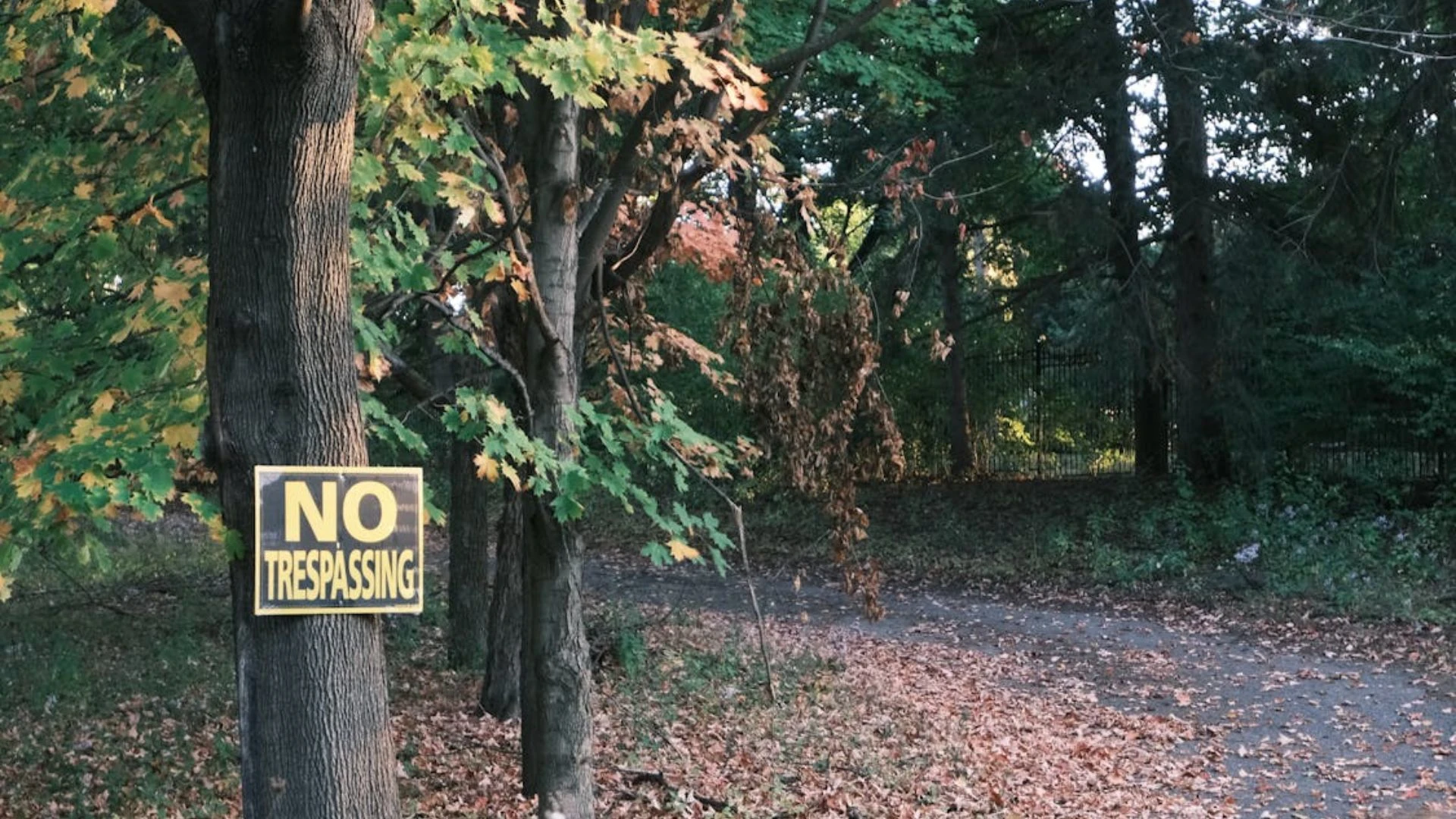
The best defense against squatters is prevention. Once someone has occupied your property, even illegally, it becomes more difficult and costly to remove them. Use these best practices:
These proactive steps not only reduce your risk of unlawful occupation but can also help you respond quickly if someone tries to move in without permission.
Ohio has some special circumstances that owners should be aware of:
Even the most cautious property owners can accidentally make it harder to remove a squatter, or worse, help strengthen their case. If you own property in Ohio, especially if it’s vacant or inherited, avoid these common errors to protect your rights and avoid unnecessary legal setbacks.
It starts small: a light on, a car in the driveway, a bag of trash at the curb. Many Ohio property owners brush it off as temporary or someone just passing through. But squatters often start subtly before fully settling in, and the longer you ignore it, the harder it becomes to remove them.
Tip: If anything looks suspicious, visit the property right away. Document what you see, take photos, and notify local authorities if necessary.
Ohio law strictly prohibits self-help eviction methods. You cannot change the locks, shut off water or electricity, or physically remove a squatter. Doing so could lead to civil penalties or even criminal charges against you.
Do this instead: Follow the formal forcible entry and detainer process through your local court. It’s the only lawful way to remove a squatter in Ohio.
If someone occupying your property offers to “pay utilities” or “watch the place for you,” don’t accept. Doing so can establish what’s called an implied tenancy, complicating your case and possibly giving them legal standing.
Important: Never accept rent, payment, or even verbal agreements from someone you didn’t authorize to be there. It weakens your position in court.
In adverse possession cases, Ohio courts evaluate who appears to act like the real owner. If a squatter provides consistent records, like utility bills or maintenance receipts, and you have none, their claim may seem more legitimate.
Protect yourself: Keep up-to-date deeds, tax records, photos of the property, inspection logs, and any correspondence showing your intent to maintain control.
Vacant homes are prime targets for squatters in Ohio, especially in areas hit by foreclosures, probate delays, or long-term absentee ownership.
Solution:
While most squatting issues are handled civilly through the courts, Ohio law does allow criminal charges in certain cases, especially if there’s evidence of trespassing, fraud, or document forgery.
Take action: If the squatter presents a forged lease or refuses to comply after a court order, consult both law enforcement and a real estate attorney. Don’t wait for things to escalate.
Time is critical. The longer someone lives on your property, especially if they appear to be maintaining or improving it, the harder it becomes to evict them and defend against an adverse possession claim.
Best practice: As soon as you become aware of unauthorized occupancy, serve a 3-Day Notice to Vacate and begin court proceedings without delay.
Realizing a stranger has moved into your home or land and refuses to leave can feel like a nightmare. Unfortunately, for many Ohio homeowners, it’s a real and growing risk, especially with rising vacancy rates and slow-moving court backlogs.
Whether it’s a vacant rental, an inherited family home, or a renovation project that got delayed, squatters often strike when you're least expecting it. If you’re in the middle of a dispute or just starting to notice signs of unauthorized use, it’s critical to act quickly, document thoroughly, and follow the legal process.
Even when you follow the law, squatter cases in Ohio can lead to:
For absentee owners, those dealing with inherited homes, or out-of-state landlords, the costs and complexity can quickly spiral. Many owners reach a breaking point, wondering whether it's even worth trying to keep the property.
If that’s where you are, you're not alone.

Not immediately. In Ohio, squatting is a civil matter at first. Law enforcement typically won’t remove a squatter unless you’ve gone through the legal eviction process and obtained a court order.
However, if a squatter refuses to leave after receiving a formal 3-Day Notice to Vacate and a judgment for possession from the court, it can escalate into criminal trespassing.
In Ohio, a squatter must occupy the property for 21 continuous years to qualify for adverse possession.
They must meet all five legal elements: hostile, actual, open and notorious, exclusive, and continuous possession.
Only the county sheriff can legally remove a squatter after a court order. You must first serve a 3-Day Notice to Vacate, then file an eviction (forcible entry and detainer) case in your local court.
Generally, no. Ohio courts rarely accept “tacking”, where squatters add up multiple individuals’ occupation periods, unless there’s a legal transfer of possession (like a will, deed, or written agreement). Even then, the burden of proof is high.
No. Color of title, such as a deed or document that appears to grant ownership, does not shorten the timeline from 21 years.
Yes, unfortunately. Homes tied up in probate or left vacant for long periods are especially vulnerable in Ohio. If no heir or executor maintains regular control, a squatter could begin the clock on an adverse possession claim.
Ohio law around squatting and adverse possession is strict, but that doesn’t mean you should navigate it alone. If you’re not sure whether someone qualifies as a squatter or you’re overwhelmed by the legal process, reach out for help.
Squatter cases in Ohio can result in permanent loss of property if ignored. The best thing you can do is act quickly, document everything, and work with professionals who understand the law.
Need to sell your house fast or avoid going through months of legal red tape? We buy homes in Ohio and can provide an As-Is cash offer within days. Let us help you move on from this property without the stress.
or call us at 855-659-3289
Searching and Processing Address