
Last Updated : February 5, 2026 by Cameron Smith
Thinking about selling your Tennessee home without a realtor? You’re in good company. More and more homeowners across The Volunteer State are opting for the For Sale by Owner (FSBO) method so they can stay in charge of the process and keep more money in their pocket.
However, choosing FSBO also means you take the lead on every step of the transaction. Setting the right price, preparing state and federal disclosure forms, marketing the home effectively, and handling offers and negotiations all become your responsibility.
This detailed guide explains, step-by-step, how to sell a house without a realtor in Tennessee. You’ll learn exactly what the process requires, how to sidestep costly mistakes, and practical tips to make your sale smooth, well-managed, and as stress-free as possible.
Before you proceed, carefully consider the advantages and drawbacks of handling a home sale on your own. As with any major financial decision, having a clear picture of what the FSBO journey involves will help you determine if it genuinely fits your goals.
Think about what you hope to achieve, how quickly you’d like to sell, and how comfortable you feel taking on responsibilities like pricing the home correctly, marketing it to buyers, scheduling showings, and managing paperwork and required disclosures.

When selling a home without a realtor, you are responsible for providing all required state and federal disclosures to the buyer.
In Tennessee, this generally means completing either the Tennessee Residential Property Condition Disclosure or a Disclaimer Statement, as outlined in the Tennessee Residential Property Disclosure Act.
If the home was constructed before 1978, federal regulations also require a Lead-Based Paint Disclosure, along with the EPA booklet Protect Your Family from Lead in Your Home.
For properties located within an HOA or condominium community, additional documentation may be required under the association’s governing documents, such as budgets, bylaws, or other resale-related information.
It’s also important to note that Tennessee is an attorney-closing state. While title companies typically issue title insurance and assist with settlement services, a licensed Tennessee real estate attorney customarily conducts the closing.
Pros
Cons

If managing every detail of the transaction begins to feel overwhelming, there are other options that offer support without giving up full control of the sale. These alternatives let you access professional assistance only where you need it.

Once you’ve decided to sell without an agent, the first step is getting the property ready for market. Start with a deep cleaning, clear out unnecessary clutter, and take care of small repairs or maintenance items that might concern prospective buyers.
Curb appeal plays a major role in attracting interest before anyone steps inside. Freshen up the yard, trim landscaping, and make sure the front entrance, walkways, and exterior surfaces look neat and well maintained.
For staging, aim to create a warm, welcoming atmosphere that showcases the home’s most appealing features. The idea is to help buyers easily envision themselves living there.

Buyer expectations in Tennessee tend to vary depending on the part of the state. In Middle Tennessee, for instance, purchasers frequently focus on job growth, proximity to major employment centers, zoning considerations, and local rules surrounding short-term rentals.
In East Tennessee, buyers tend to pay closer attention to terrain-related factors such as slope, drainage, and the condition of septic systems. The suitability of the lot and how the home handles heavy rain or elevation changes can be just as important as interior features.
Across West Tennessee, buyers often evaluate whether a property is located in a flood-prone area and how the land’s composition may affect foundations, landscaping, and long-term maintenance.
No matter where the home is located, certain concerns are common among Tennessee buyers statewide. These include the age and condition of the roof, HVAC performance in the state’s heat and humidity, any history of termite treatment, flood zone status, and whether the property is served by sewer or a septic system.
Emphasizing these details in your marketing can help attract serious, well-qualified buyers.
Setting the right asking price is among the most important yet often the most difficult parts of FSBO. Arriving at the ideal figure takes careful research, a clear plan, and an honest assessment of what’s happening in your local market.
With dependable data and an understanding of current Tennessee housing activity, you can choose a price point that draws in serious buyers while still supporting your financial goals.
Here are a few tips to get you started:

Start by reviewing recently sold properties that are similar to your own. These “comparables,” or comps, should match your home in size, age, layout, and overall condition. You can gather reliable information from popular real estate websites such as Zillow, Redfin, Trulia, Realtor.com, and Homes.com.
As you work through the data, keep a few practical guidelines in mind:
Market conditions can vary widely from one part of Tennessee to another. Pricing in fast-growing Nashville neighborhoods may look very different from rural counties, just as expectations in Knoxville don’t always mirror those in Memphis. Tourist-driven communities can also experience seasonal swings that affect buyer demand.
Factoring in these regional differences will help you set an asking price that is both competitive and grounded in the realities of your specific market.

Next, take an honest look at the overall condition of your property. Upgrades like a remodeled kitchen, a newer roof, or an energy-efficient HVAC system can increase buyer interest and justify a higher price. Conversely, visible wear, outdated features, or neglected maintenance may lead buyers to offer less.
Approach this evaluation as objectively as you can. Let comparable sales and current market activity shape your expectations rather than emotional attachment or the amount you originally paid. When the asking price accurately reflects the home’s real condition, you’re far more likely to draw in motivated buyers and experience a smoother, faster sale.

Finally, take time to consider the broader conditions in your local real estate market. When available inventory is tight and homes are selling quickly, demand typically rises, giving sellers more flexibility with pricing and negotiations.
On the other hand, if listings are sitting longer and price cuts are happening more frequently, buyers tend to have the upper hand, making it essential to set an asking price that’s realistic and competitive from the start.
FSBO Pricing Tips to Keep in Mind

Selling a home without a realtor means you are responsible for ensuring that all required paperwork is complete, accurate, and in compliance with Tennessee and federal law. Missing or incorrect documents can delay the transaction or create problems as the closing approaches.
Here are the key documents most FSBO sellers in Tennessee will need:

Once your pricing is established, the property is prepared, and your paperwork is in order, the next step is to get your listing in front of as many qualified buyers as possible.
Here are effective ways to expand your reach:
Remember that your online listing is often the first interaction buyers have with your home. High-quality photos and a well-written, informative description can make a major difference in generating interest and scheduling showings.

Once your listing is active, you’ll start to generate interest from prospective buyers. As a FSBO seller, you’ll be responsible for coordinating every showing and open house, so having a clear plan and staying organized will make the experience smoother and far less stressful.

Since you’ll be managing showings and open houses personally, making safety a priority is essential. A few simple precautions can help protect you and your property while still providing a welcoming and professional experience for potential buyers.
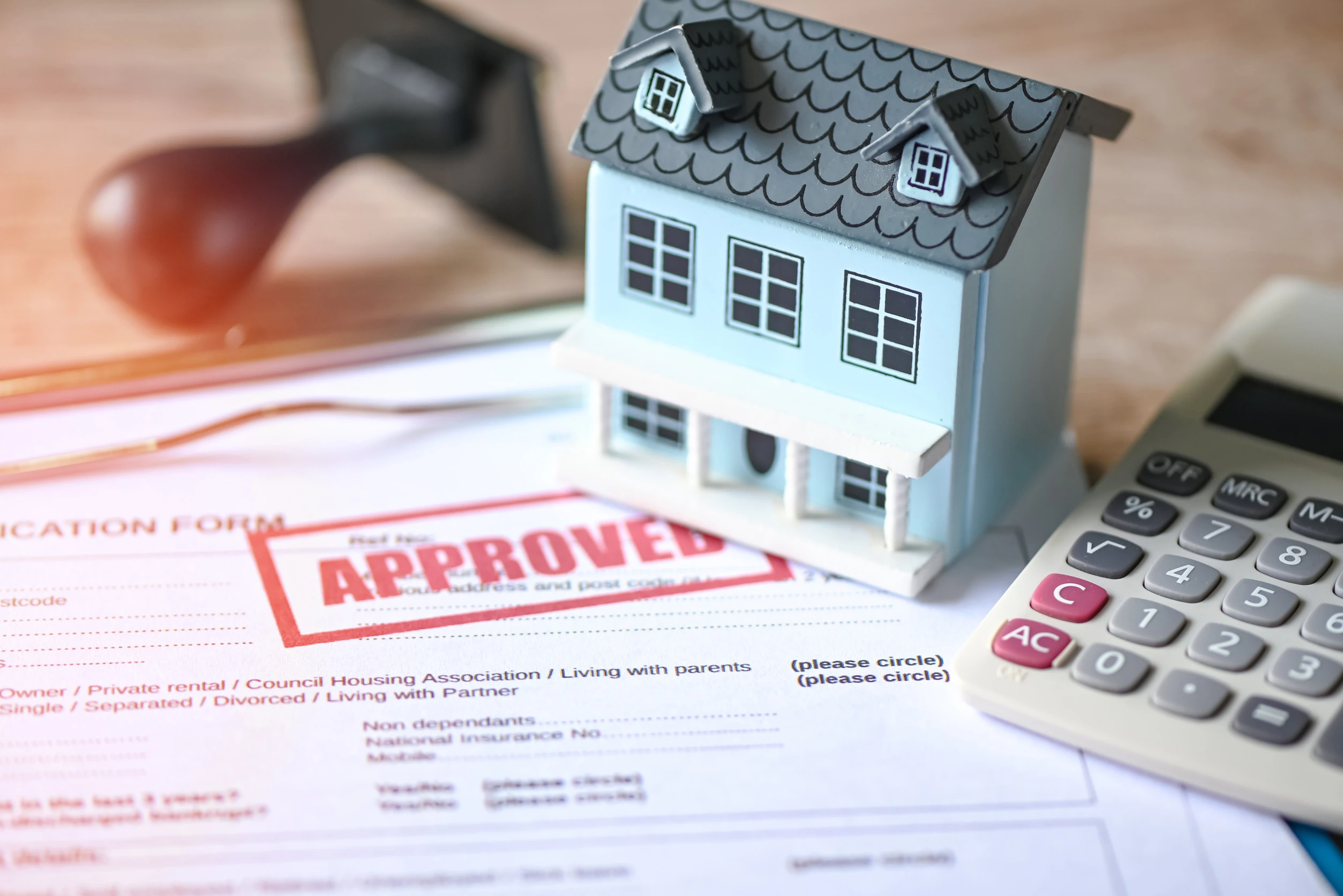
When offers start coming in, review each one thoroughly before making any decisions. If a buyer intends to use financing, request a recent mortgage pre-approval to confirm they are qualified. For cash offers, ask for proof of funds to ensure the buyer has the resources needed to complete the purchase.
Pro Tip: The sale price is just one piece of the puzzle. Look closely at all terms, including contingencies, the proposed closing date, and any financing requirements. The strongest offer isn’t always the highest number, but rather it’s the one that best matches your goals, schedule, and comfort level with risk.
Once you’ve identified the most promising options, you can accept an offer, respond with a counteroffer, or keep negotiating. A solid understanding of your home’s value and current market conditions will help you navigate this stage with confidence.

After you’ve accepted an offer and both parties have agreed on the terms, the sale moves into the closing stage. From this point forward, the transaction will focus on title work, buyer inspections, any appraisal required for financing, and the completion of all contingencies outlined in the contract.
In Tennessee, a licensed real estate attorney customarily oversees the closing, working alongside the title company to coordinate documents, confirm clear title, and manage the transfer of funds.
Throughout this period, you’ll also collaborate with the buyer to address inspection results, lender requirements, and any remaining conditions in the purchase agreement to keep the process moving toward a successful finish.

Next, you’ll coordinate with the buyer, the closing attorney, and the title company to establish a closing date and finalize any outstanding details. To help the process move smoothly, make sure all required disclosures and supporting documents are completed, organized, and provided in advance of the scheduled closing.

At closing, the title company and closing attorney will prepare the settlement statement, oversee the signing of documents, record the deed, and disburse funds once all contract requirements have been satisfied.
As the seller, you’ll need to plan for certain closing expenses, including the state’s transfer taxes, as follows:
These taxes are typically negotiated between buyer and seller and may be split depending on local custom or the terms of your contract.
Other closing costs Tennessee sellers commonly encounter include:
Understanding these costs ahead of time can help you estimate your net proceeds and avoid surprises on closing day.

Even the most prepared sellers can encounter problems if important details are missed. Here are some of the most frequent FSBO challenges in Tennessee and how to avoid them:
By staying organized and addressing potential hurdles in advance, you can reduce stress, protect your finances, and guide the sale smoothly from listing to closing.

Selling your home on your own lets you stay in charge of pricing, promotion, and negotiations, but there are times when working with a cash buyer can provide a faster, simpler alternative.
A cash sale can make sense if:
When working with a reputable Tennessee cash home buyer, sellers can typically expect:
This path won’t be the best choice for every homeowner, but in the right situation, it can make selling easier, faster, and far more predictable.
If you feel confident handling pricing, promotion, and negotiations on your own, selling without a realtor can be a practical way to save money while staying in control of every decision. But if the workload starts to feel overwhelming, partnering with a reputable cash home buyer can provide a faster, simpler alternative.
Ultimately, whether you choose the FSBO route, move ahead with a cash sale, or explore another approach, the best path is the one that fits your goals, your schedule, and your comfort level from start to finish.

Searching and Processing Address