
Last Updated : November 6, 2025 by Chris Bibey
Evicting a tenant in Alabama isn’t just a handshake and a set of keys — it’s a legal process with required notices, strict deadlines, and court involvement. If your tenant stops paying rent, violates the lease, or refuses to leave after the lease ends, you need to follow every step correctly.
This guide walks you through how to evict a tenant in Alabama — step by step — so you can take action with confidence and stay compliant with state law.
Here’s a breakdown of the six steps involved in legally evicting a tenant in Alabama.

The process starts with giving your tenant the appropriate written notice, depending on the reason for the eviction:
You must serve notices in person or leave them at the residence. Certified mail is also allowed under Alabama law. Be sure to keep a copy of the notice and document how and when it was delivered.
If the tenant complies — by paying rent or correcting the lease issue — the eviction process ends there. If not, you move to the next step.
If the tenant doesn’t comply with the notice, your next step is to file an Unlawful Detainer action in the District Court of the county where the rental property is located.
Here’s what you’ll need:
Make sure the complaint includes the reason for eviction, amount of unpaid rent (if any), and supporting documentation like photos, communications, or receipts.
This step starts the formal legal process and puts the matter in the hands of the court.
Once the lawsuit is filed, you must serve the tenant with a copy of the summons and complaint.
Service can be done in three ways:
The tenant must be served at least six days before the hearing. If they are not properly served, the court may delay or dismiss the case.
Once service is complete, make sure a return of service is filed with the court to confirm everything was done correctly.

On the day of the hearing, both you and the tenant will appear in front of the judge.
Bring everything you have:
If the tenant does not appear, the judge will likely grant a default judgment in your favor. If the tenant contests the eviction, the judge may hear the evidence immediately or set a separate trial date.
If you win the case, the court will issue a judgment for possession, allowing you to take the next step in removing the tenant.
Winning in court does not automatically mean the tenant will leave. You must file for a Writ of Possession, which authorizes the sheriff to carry out the eviction.
Here’s how it works:
You are not allowed to change the locks or remove the tenant yourself. Only the sheriff can enforce the writ. Trying to handle the eviction on your own could expose you to legal liability.
If the tenant leaves property behind, you are required to store it for 14 days and notify the tenant before disposal.
Eviction is costly and time-consuming. Before taking your tenant to court, it may be worth considering a few alternatives.
If your tenant is behind on rent but otherwise cooperative, a written payment plan can help you recover funds without court:
Both you and the tenant should sign the agreement, and you should follow up in writing. You’re under no obligation to offer a payment plan, but it’s a smart option in the right scenario.
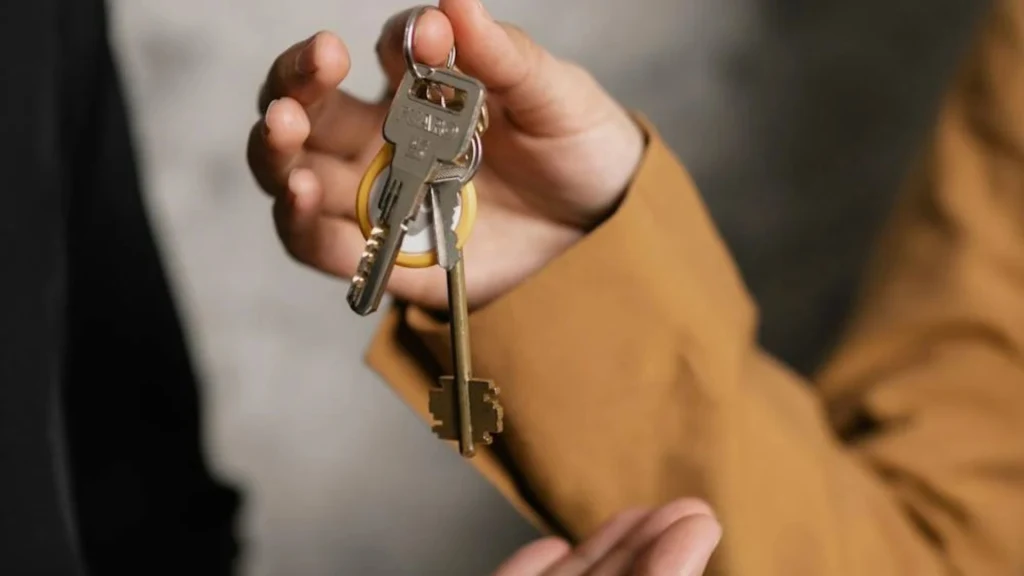
With this approach, you offer the tenant money to move out voluntarily.
It might feel frustrating to pay a tenant to leave, but it can save you:
Make sure the agreement is written down, includes the move-out date and conditions, and is only paid after you confirm they’ve vacated and left the unit in good condition.
Some counties in Alabama offer mediation programs, where a neutral third party helps landlords and tenants work out a solution.
Mediation may be appropriate when:
Mediated agreements can be turned into enforceable court orders and may help preserve a working relationship.
Here are seven frequently asked questions about evicting a tenant in the state of Alabama.
Can I evict a tenant in Alabama during the winter?
Yes. There are no seasonal restrictions on evictions. You may proceed at any time of year, including winter.
How long does the eviction process take in Alabama?
If uncontested, the process may take 3 to 5 weeks. Contested evictions can take longer, especially if a trial is necessary.
Can a tenant stop the eviction by paying rent?
Yes. If the eviction is for nonpayment of rent, the tenant can pay the full amount within the 7-day notice period to avoid eviction. After that, it’s up to you whether to accept payment.
Can I evict a tenant without a written lease?
Yes. Alabama recognizes oral month-to-month tenancies. You must provide a 30-day notice to terminate, and then follow the same legal process.
Do I have to accept partial rent?
No. You are not required to accept partial payments. If you do, it may restart the eviction process, so proceed carefully and document everything.
What happens to a tenant’s belongings after eviction?
You must store any personal property left behind for 14 days and notify the tenant in writing. After that, you may dispose of or sell it according to state law.
Are landlords required to accept rental assistance in Alabama?
No. Landlords are not required to accept rental assistance unless required by a contract or federal program.
Evicting a tenant in Alabama is a legal process, not a personal one. Even if a tenant is months behind on rent or causing damage, you need to serve proper notice, go through the courts, and work with law enforcement to regain possession.
If you're finding that managing tenants is more hassle than it's worth, it might be time to sell the property and move on. Whether you're fed up with bad tenants or ready to cash out, understanding your legal rights is the first step toward a better decision.
Searching and Processing Address