
Last Updated : October 1, 2025 by Jen Goll
If you own vacant property in Massachusetts, whether it’s inherited, in probate, or sitting idle, it may be more vulnerable than you think. Under Massachusetts law, unauthorized occupants, or squatters, can eventually gain legal ownership of property through a process called adverse possession. If left unchallenged long enough, they could claim full title to your land.
In this guide, we’ll explain how squatter’s rights work in Massachusetts, how the adverse possession process plays out, and, most importantly, what you can do to protect your property and remove unauthorized occupants legally.
In Massachusetts, squatter’s rights refer to the legal pathway by which someone who occupies land without permission may eventually claim ownership through adverse possession. This legal doctrine allows individuals to gain title to property if they openly and continuously use it as their own for a legally defined period, typically 20 years.
Unlike trespassers who enter briefly, squatters in Massachusetts often take possession of vacant or neglected land and attempt to present themselves as legitimate residents. Over time, if the rightful owner doesn’t take legal action, the squatter may petition the court to be recognized as the lawful owner.
Massachusetts has strict requirements for adverse possession, and not every long-term occupant will qualify. But if those criteria are met, the courts can transfer full ownership to the squatter, even if the legal owner holds the title.
Not everyone occupying your property without consent qualifies as a squatter. Massachusetts law draws clear distinctions between several types of unauthorized occupants:
It's important to identify the correct category of occupant because the removal process and legal remedies differ depending on their status.
Adverse possession is a legal principle rooted in English common law, designed to promote the productive use of land and penalize property neglect. In Massachusetts, just like in other U.S. states, this doctrine allows someone who has occupied land without permission to eventually gain legal ownership if they meet very specific conditions over a long period of time.
Under Massachusetts law, a person must occupy a property continuously for 20 years to become eligible to file an adverse possession claim. However, time alone is not enough. Their occupancy must satisfy a strict legal test that mirrors the behavior of a rightful property owner.
For example:
If someone began occupying a vacant Massachusetts property on January 1, 2005, and remained there continuously, openly using the land, excluding others, and treating it as their own, they could theoretically file for adverse possession on January 1, 2025, provided they meet all other legal requirements.

In Massachusetts, a squatter must meet five specific legal criteria continuously for 20 years to succeed in an adverse possession claim. These elements are essential. Even if one is missing, the claim will be denied. Massachusetts courts apply these rules strictly, often requiring clear and convincing evidence.
Let’s explore each requirement, with examples and common misconceptions.
In Massachusetts, hostile doesn’t mean violent. It simply means the squatter is occupying the land without the owner’s permission or legal right.
Example: Taylor moves into a vacant home in Western Massachusetts, assuming it’s abandoned. They don’t seek out the owner or obtain a lease. Despite believing no one owns it, their use is still considered hostile under the law.
Misconception: “If I thought I had the right to be there, it’s not hostile.”
That’s incorrect. Intent doesn’t matter. What matters is that the occupation is without permission.
The squatter must physically use the property like a true owner would. This means living on it, maintaining it, or making visible improvements.
Example: Sofia mows the lawn weekly, fixes the roof, installs a new fence, and lives in the home full-time in a small town near Worcester. This demonstrates actual possession.
Misconception: “Checking in every few weeks is enough.”
Wrong. Massachusetts courts expect regular, physical presence and upkeep.
The use must be obvious and visible, not concealed. The legal owner or neighbors should reasonably notice the squatter’s presence.
Example: Jack receives mail at the address, hosts backyard barbecues, parks in the driveway, and lists the property on his driver’s license. His presence is clearly not hidden.
Misconception: “As long as no one complains about me being here, I’m fine.”
False. Quietly squatting without signs of public use can disqualify a claim.
The squatter must possess the land independently, not sharing it with the legal owner, the public, or unrelated individuals.
Example: Alicia lives alone on the property for 20 years, denies access to others, pays the utility bills, and secures the property with locks and fencing. This counts as exclusive possession.
Misconception: “We can all claim it together if we live there.”
Not unless you're part of the same legal claim. Massachusetts courts rarely accept shared or casual occupancy as exclusive.
Important: Massachusetts does not typically allow multiple squatters to combine (or “tack”) their years of occupation unless there's a documented legal transfer of possession.
The squatter must occupy the property without significant interruption for 20 full years. Leaving or being removed resets the clock.
Example: Since 2003, Marcus has lived on the land continuously, paying taxes, doing repairs, and never abandoning it. This uninterrupted occupancy qualifies as continuous.
Misconception: “Taking a break or leaving for a season is fine.”
No. Extended absences, especially if control is lost or the owner reclaims access, can invalidate the claim.
In Massachusetts, the burden of proof falls entirely on the squatter (also called the claimant). That means the person trying to gain ownership through adverse possession must prove every element, hostile, actual, open and notorious, exclusive, and continuous possession, for the full 20-year statutory period.
Massachusetts courts require claimants to meet a “clear and convincing evidence” standard. This is stricter than the “preponderance of the evidence” used in some other states, meaning the court must be firmly persuaded that the squatter’s possession meets all legal requirements.
To succeed, a squatter must typically provide documentation such as:
If the squatter cannot demonstrate uninterrupted use with this kind of evidence, the court will likely reject the claim.
Tip for Owners: If you're trying to block an adverse possession claim in Massachusetts, you’ll need to disprove one or more elements of the squatter’s case. That could include showing that their use wasn’t continuous, their use was permissive, or they shared possession with others.
Color of title means a person has a document (like a deed) that appears to give them ownership, even if it's legally flawed.
In Massachusetts, color of title does not reduce the 20-year requirement for adverse possession. However, it can strengthen a squatter’s claim by supporting their argument that they believed they had a legal right to occupy the land, especially in boundary disputes.
For example, if someone has a faulty deed showing ownership of a disputed strip of land and uses that land continuously for 20 years, Massachusetts courts may consider the color of title as evidence to support their claim.
If someone is occupying your Massachusetts property without your permission, and they’re not a tenant, licensee, or legal occupant, they may be considered a trespasser or wrongful possessor. But that doesn’t mean you can remove them yourself.
Like many states, Massachusetts prohibits “self-help eviction,” even when dealing with squatters. You cannot:
Doing so may expose you to civil lawsuits or even criminal liability. Instead, you must use the appropriate legal process.

If your property is being occupied without your permission, here’s how to initiate lawful removal through the courts.
The legal route depends on whether the squatter has ever had permission to be on the property.
Note: Ejectment actions are more complex than summary process evictions and may require help from an attorney.
To initiate an ejectment action, you’ll need to:
Filing must occur in the Superior Court for the county where the property is located.
Once your case is filed, the court will issue a summons, which must be formally served to the squatter by a constable or sheriff. This gives them an opportunity to respond.
If they fail to respond, you may win a default judgment. If they contest, the court will schedule a hearing.
You’ll need to present:
If the court sides with you, it will issue a judgment for possession, granting you legal right to retake the property.
Once you have the judgment, the court will issue an execution (similar to a writ of possession), which must be carried out by the Sheriff’s Office.
The sheriff will schedule and oversee the lockout, ensuring the squatter and their belongings are removed in accordance with Massachusetts law.
On the scheduled date:
Removing a squatter in Massachusetts may take anywhere from 4 to 12+ weeks, depending on:
Massachusetts squatter removals can be legally complex, especially if the occupant claims ownership rights under adverse possession or presents questionable documents.
An experienced landlord-tenant or real estate attorney can help:
This is especially helpful in cities like Boston, Worcester, or Springfield, where squatter disputes are more common and court timelines can be extended.
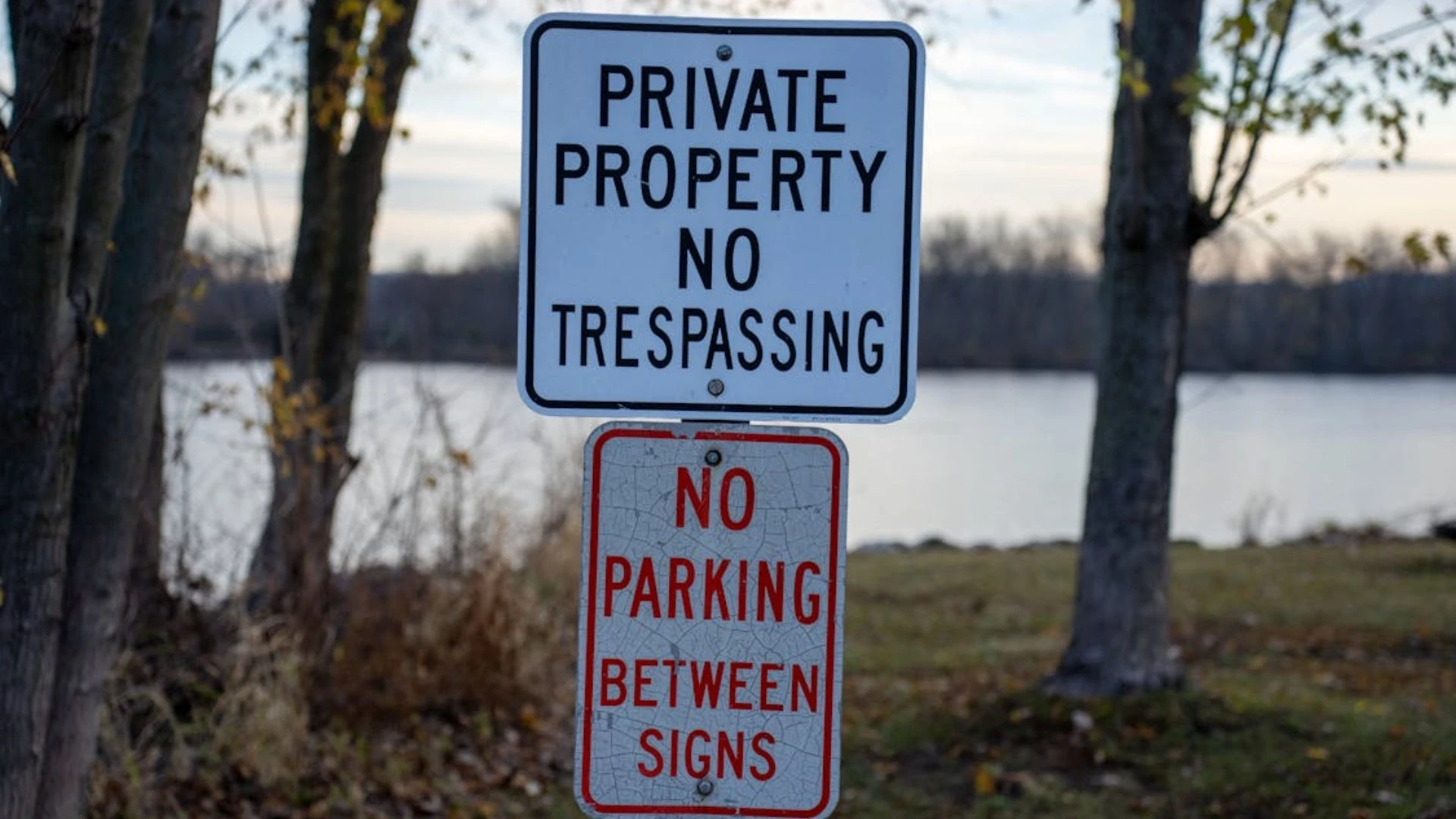
Preventing a squatter situation is significantly easier and less expensive than trying to remove one. Massachusetts property owners can protect their properties with a proactive approach:
Massachusetts law does not currently allow additional time extensions for property owners with disabilities in adverse possession claims (unlike some other states), but legal complexities may still apply in cases involving:
If your situation involves any of the above, speak to a Massachusetts real estate attorney to understand your rights.
Many well-meaning property owners inadvertently weaken their position or even strengthen a squatter’s legal claim. Here are some of the most common pitfalls to avoid.
Don’t dismiss signs like curtains in windows, lights left on, or people occasionally seen on-site. Squatters often move in gradually, especially in urban or foreclosed homes.
Tip: If something seems off, visit the property immediately. Document what you see and call local police if necessary.
Massachusetts strictly prohibits self-help eviction, including changing locks, shutting off utilities, or physically removing squatters.
What to do instead: File a formal ejectment action in Housing or Superior Court. Only the sheriff or constable can legally remove someone from your property.
If someone offers to pay utilities or do upkeep in exchange for staying, don’t accept. Doing so could be interpreted as creating a tenancy at will, making removal much harder.
Reminder: Always document and maintain that the person is unauthorized. Avoid any communication that could imply permission.
In court, the burden is on the squatter to prove their case, but your lack of documentation could weaken your ability to refute it.
Protect yourself: Keep up-to-date records, including your deed and tax documents, photos showing the property’s condition over time, any police reports or trespassing complaints, and copies of all notices or inspection logs.
Vacant homes are the most common targets for squatters. This includes inherited homes, seasonal properties, or foreclosures.
Solution: If you can’t check in frequently, consider hiring a local property manager or neighbor to monitor the property.
Some squatters present forged leases or fake documents, which can complicate removal. In these cases, criminal charges like trespassing or document fraud may apply.
Stay vigilant: If you suspect fraud, call local law enforcement and consult a real estate attorney. Some towns and cities may have additional ordinances or tenant protections you need to follow.
Time is a squatter’s ally. The longer you wait, the more likely they’ll build a claim or file counterclaims to stall the process.
Best practice: As soon as you discover unauthorized occupancy, start the legal process. Early action often prevents a months-long court battle.
Discovering that someone has taken up residence in your property without permission and refuses to leave can feel unbelievable. But for many Massachusetts homeowners, it’s a real and emotionally draining situation.
Maybe the home was sitting vacant while you figured out your next steps. Maybe you inherited it, were preparing to rent it out, or started renovations, only to find someone else claiming it as their own. Whether you’re just noticing signs of occupation or are already navigating the legal process, dealing with squatters in Massachusetts can be financially and emotionally overwhelming.
Even if you follow all the right legal steps, the reality is that resolving a squatter situation often comes with significant burdens:
If you don’t live nearby or can’t manage the legal filings, court appearances, and property cleanup, it’s easy to feel stuck.
If that’s where you are, know that you’re not alone. Understanding your rights and acting quickly can make all the difference, and for some, selling to a cash buyer is the fastest, cleanest way out.

Not by default. Squatting in Massachusetts typically starts as a civil issue, not a criminal one. Police often won’t remove a squatter unless you’ve obtained a court order or the squatter has committed a separate criminal offense like trespassing or vandalism.
In Massachusetts, a squatter must occupy the property continuously and exclusively for 20 years to be eligible for adverse possession. They must meet all five legal elements: hostile, actual, open and notorious, exclusive, and continuous possession.
A trespasser enters a property without permission but doesn’t attempt to stay long-term. A squatter takes up residence and behaves as if they own the property, possibly paying utilities, changing locks, or even making improvements.
Yes, it can help, but it doesn’t replace the 20-year requirement. Massachusetts courts may consider tax payments as supporting evidence of “actual possession,” but they won’t grant ownership on that basis alone.
No. Intent is not required under Massachusetts adverse possession laws. Even if a squatter mistakenly believes they have the right to be there, their use may still be considered “hostile” and qualify for a claim if all elements are met.
Only in limited situations. Massachusetts courts rarely allow “tacking”, combining occupancy time between different squatters, unless there is a legal transfer of interest or written agreement showing continuity.
It might. “Color of title” refers to a document (such as a deed or will) that appears to grant ownership but is legally flawed. While Massachusetts still requires the full 20 years of possession, having color of title can support a claim by showing a genuine belief in ownership.
Massachusetts squatter situations can be time-consuming, expensive, and emotionally draining. If you’re feeling overwhelmed, consider working with a local real estate attorney or selling the property As-Is to a reputable cash buyer.
If you’re feeling stuck and overwhelmed, you don’t have to deal with Squatters alone. We buy houses in Massachusetts and can make you an offer in as little as 7 days. Don’t wait until a squatter’s claim becomes more serious; reach out today to protect your property.
or call us at 855-659-3289
Searching and Processing Address