October 17, 2024

Selling a home is already a challenging task, but when fire damage is involved, it can feel overwhelming. A fire-damaged house presents unique hurdles, from reduced property value to potential safety concerns. However, selling your fire-damaged home isn’t impossible—there are strategies to ensure a successful sale, even in difficult circumstances. This guide will help you navigate the process and make informed decisions about selling your fire-damaged property.
Assess the Extent of the Damage
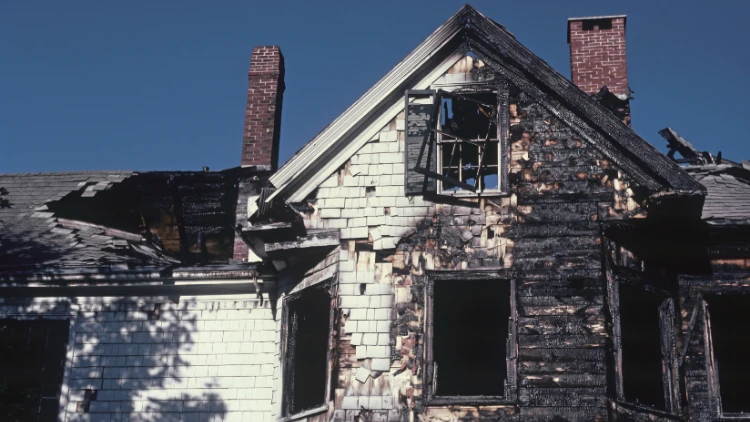
Before you can proceed with selling your fire-damaged house, it’s essential to fully understand the scope of the damage. You may already be aware of the visible destruction, such as charred walls or ceilings, but smoke and water damage often extend to areas you cannot see.
Consider hiring a professional inspector to evaluate the full extent of the damage. This report will not only provide a clearer picture of the necessary repairs but will also help in negotiations with potential buyers.
Consider Repairs or Sell As-Is?
One of the most important decisions you’ll face is whether to make repairs or sell the house As-Is. There are pros and cons to each approach.
Selling a Fire-Damaged House As-Is
Choosing to sell your fire-damaged property as-is may seem like the easiest route, but it’s essential to set the right expectations. You’re likely to receive lower offers since potential buyers will need to factor in the cost of repairs.
However, selling the house As-Is can also save you the upfront costs of repairs and the time it would take to restore the home to a livable condition. This is particularly appealing if you need to sell the house quickly or don’t have the resources for significant renovations.
Repairing the Damage
If you have the time and financial means, repairing the fire damage could help you fetch a higher selling price. Restoring the home to a near-original state can make it more appealing to traditional buyers who want a move-in ready property.
Before you invest in repairs, consider obtaining estimates from contractors and weigh the potential increase in the home’s sale value against the repair costs. For some homeowners, the return on investment may not be significant enough to justify the effort.
Full Disclosure Is Essential
When selling a fire-damaged house, transparency is key. Failing to disclose the fire damage to potential buyers could lead to legal trouble down the road. In many states, you are legally required to inform buyers of any damage the house has sustained, even if it’s been fully repaired.
Disclosing the fire damage upfront helps build trust with potential buyers and avoids any future disputes. Make sure to provide any documentation, such as inspection reports or repair receipts, to show that the damage has been thoroughly addressed if you’ve opted to make repairs.
Obtain a Professional Appraisal
Fire damage can significantly affect the value of your home. To ensure you’re pricing the house appropriately, it’s a good idea to get a professional appraisal. An appraiser will assess the current condition of your home, considering both the extent of the fire damage and any repairs you’ve made.
This appraisal will give you a clearer understanding of what you can realistically expect to get from selling the home. It will also help during negotiations, especially if buyers try to underbid due to the fire history.
Market to the Right Buyers
Once you’ve decided whether to sell As-Is or after making repairs, the next step is to market the home to the right audience. Fire-damaged properties can be appealing to investors and cash buyers who are looking for a project or a home they can purchase at a lower price.
Working With Real Estate Investors
Real estate investors often buy properties that need significant repairs, including fire-damaged homes. These buyers usually have the resources to fix the property and either flip it or rent it out. If you’re looking for a fast sale, working with an investor could be an ideal solution.
Cash Buyers
Cash buyers offer another quick and hassle-free option for selling your fire-damaged home. Cash buyers aren’t reliant on traditional financing, meaning they can close quickly—often in a matter of days. This option is especially beneficial if you need to sell the house quickly and want to avoid the drawn-out process of a traditional sale.
Repair Calculator
Should You Fix or Sell As-Is?
Estimate repair costs and compare your options: fix and list, sell As-Is, or get a cash offer.


Unlock the Full Calculator
Highlight What Can Be Restored
When marketing your fire-damaged home, it’s important to focus on what can be salvaged. While buyers are aware of the damage, emphasizing aspects of the home that weren’t affected by the fire can make the property more attractive.
For instance, if the fire was contained to one area of the house, highlight the rooms that remain in good condition. You can also showcase any unique architectural features or upgrades that were not impacted by the fire.

Navigating the Legal and Financial Aspects
Selling a fire-damaged home involves some additional legal and financial considerations. Be sure to consult with a real estate attorney or a financial advisor to understand the tax implications of selling a house that has been damaged by fire.
In some cases, the sale of a fire-damaged home could result in capital gains tax if the property has increased in value since you first purchased it. If you’ve claimed insurance payouts for the damage, it’s important to know how that affects the sale as well.
Set Realistic Expectations
It’s crucial to go into the selling process with realistic expectations. Whether you’re selling the house As-Is or after making repairs, understand that fire-damaged homes typically sell for less than their undamaged counterparts. Be prepared for negotiations and offers that may come in lower than expected.
However, with the right approach—whether through a traditional sale, working with an investor, or selling to a cash buyer—you can successfully sell your fire-damaged home.
When selling a fire-damaged home, one option to consider is working with a cash buyer, like House Buyers of America. Cash buyers often provide a quick and convenient solution, especially for homes that may need significant repairs.
By opting for this route, you can avoid the lengthy process of traditional sales and move forward without the stress of making costly renovations. This approach is particularly helpful if you’re looking for a fast sale and prefer not to invest in restoring the property.
Successfully Navigating the Sale of Your Fire-Damaged Home
Selling a house with fire damage can be a daunting task, but it’s entirely possible with the right strategy. By understanding the extent of the damage, making decisions about repairs, and working with the right buyers, you can successfully navigate the process.
If the challenges feel too great, working with a cash buyer offers a fast and stress-free solution. Whatever route you choose, transparency and preparation are key to making the sale as smooth as possible.

Recent Posts


Frequently Asked Questions (FAQs) About Selling Your Home Fast
During a transfer, a new deed is drafted and signed by the seller, transferring ownership of the house to the new buyer. This document is then recorded in the land records with the above-mentioned deed of trust.
We work with your bankruptcy attorney to present a FAIR offer and give you additional money at closing. We present the offer directly to your attorney and work to have the offer accepted by the bankruptcy court. Once the offer is accepted, we ensure that the bankruptcy is released and we buy the property as soon as possible.
Yes, we can work with any seller who needs to move a property quickly for any reason and in any price range. We have purchased million-dollar houses before.
Yes, we buy apartments, multi-family houses/buildings and land.
No! You have no obligation at all if you submit an information form, show your property to House Buyers or receive an offer to buy your house. You are under no obligation at all. All we ask for is the opportunity to make an offer for your house, you’re in the driver’s seat as to whether you accept the offer or not. You are in complete control. You are only obligated to our service if you have entered into a purchase agreement with us, as with any other real estate transaction.
We need very basic information from you about your house. The number of bedrooms, bathrooms and overall condition of the property is needed. We will also ask you how long you have owned your home and if there are any mortgages or liens against the property.
We offer the maximum amount possible, our offers are very competitive. If our offers weren’t competitive, we wouldn’t have purchased thousands of houses! There is no magic percentage we use, every house is unique. Our Real Estate Consultants take into consideration the age, condition, size, features and location of the home much like an appraiser would. We factor in the costs to repair the house, what other homes in the area are selling for and how long it is taking to sell those homes. These and several other factors are researched to determine a fair offer.
As soon as we receive your Online Form, we will review your information and get back to you ASAP (usually within 30-60 minutes depending on when you submit the information).
We work FAST to help ensure that your house doesn’t go to foreclosure. We present you with a FAIR offer to pay off your mortgage before the foreclosure. We help save your credit, avoid foreclosure and allow you to sell your house FAST and FAIR. Due to recent legislation, if you reside in the state of Maryland and are within a certain period of time before your foreclosure sale date, we will introduce you to a Foreclosure Consultant. The legislation mandates that if you are within this certain window that a foreclosure consultant must explain to you all of your options involved in selling your home.
No problem! We can still buy your house as is, even if it has demolition orders scheduled.
House Buyers of America
We buy your home on your terms.
- No repairs or showings
- Close on your time frame
- No commissions or fees
- No obligation cash offer
Over 25 Years in Business · Trusted Since 2001
Get Your Fair Cash
Offer
Today!
or call us at 855-659-3289
Searching and Processing Address