April 16, 2025

The U.S. housing market in early 2025 is stuck in a strange middle ground. Home prices are still climbing. But buyers are more cautious, mortgage rates remain high, and recession worries are building.
Here’s what you need to know.
Home Prices Keep Rising, Just Slower
Despite economic concerns, home prices haven’t dropped. In January, the median existing-home price hit $396,900, up nearly 5% from a year ago. February was similar, with prices still trending upward.
Inventory is improving, but still tight. There were 1.18 million homes for sale, which is higher than a year earlier but still not enough to balance the market. Homes are sitting on the market a little longer, with a median of 41 days compared to 36 last year. But well-priced homes still attract attention.
Sales volume is gradually picking up. Existing-home sales increased 3.1% in January and 9.5% in February, thanks in part to a small bump in inventory and renewed interest from buyers.
Affordability Is Still a Major Issue
Housing affordability is near its worst point in decades. Mortgage rates are hovering around 6.7%, and prices remain high. The National Association of Realtors’ affordability index is close to 100, meaning the typical household barely qualifies for a median-priced home.
According to the National Association of Home Builders, around 75% of U.S. households cannot afford a newly built home. High construction costs, inflation, and elevated interest rates are making homeownership harder to reach, especially for first-time buyers.
Builders Are Still Active, but Getting Cautious
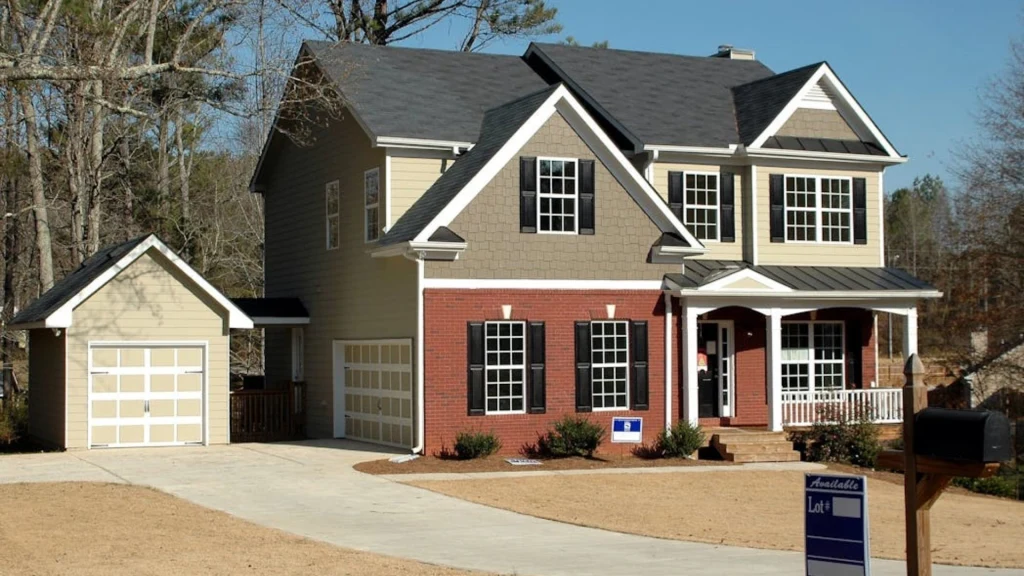
Builders had a strong year in 2024, issuing nearly 982,000 single-family permits nationwide. That trend has mostly continued into early 2025. But momentum is slowing.
In January, single-family permits dropped by about 3.7% compared to a year earlier, according to U.S. Census Bureau data. At the same time, builder confidence dipped, with the NAHB Housing Market Index falling to 39 in March. Builders are citing rising construction costs and uncertainty about new tariffs on imported building materials.
Even with these challenges, the national housing shortage continues to support new construction. Demand remains, especially in affordable markets and growing metro areas.
The Recession Watch
The U.S. is not in a recession yet, but economists are watching closely. The Federal Reserve held rates steady at 4.25% in March and has hinted at possible cuts later this year. But they’re being cautious, especially as new tariffs and inflation pressures cloud the picture.
Here are a few warning signs:
- Unemployment is up to 4.1%, a jump from 3.5% a year ago.
- Consumer confidence is low. The University of Michigan’s Sentiment Index dropped to 57 in March, its lowest since 2022.
- GDP growth is slowing. The Atlanta Fed’s GDPNow estimate for Q1 2025 recently dipped into negative territory.
Some analysts, like JPMorgan, estimate a 40% chance of recession this year. Others expect a soft landing. Either way, recession risk is higher than it was last year.
Buyer Behavior: Cautious but Still Motivated
Even in this environment, buyers haven’t disappeared. In fact, there’s pent-up demand. When mortgage rates drop slightly or a good home hits the market, buyers show up. Purchase applications have been trending upward as the spring season gets underway, according to MBA data.
But the financial strain is growing. Credit card and auto loan delinquencies are at a five-year high, according to VantageScore’s CreditGauge. FHA loan delinquencies are now above 11%, and VA loans have also seen an increase.
Most homeowners still have strong equity and low fixed rates. That has kept foreclosure rates low. But rising delinquencies could signal more trouble ahead if job losses pick up.
What the Rest of 2025 Might Look Like
So, what’s next? Most experts expect home prices to keep rising, but at a much slower pace.
- Fannie Mae predicts a 3.5% increase in home prices this year.
- The Mortgage Bankers Association expects around 1.3% growth.
- NAR expects similar gains.
Mortgage rates could fall slightly by the end of the year, with many forecasts pointing to the 6.0% to 6.3% range. If rates drop meaningfully, it could bring more buyers back into the market, especially those who have been waiting for better conditions.
If a recession hits, demand could weaken. But price drops are expected to be limited due to low inventory and strong homeowner equity. Experts are not predicting a crash.
Bottom Line
The housing market is in a holding pattern. Prices are up, but affordability is stretched. Demand exists, but buyers are cautious. Builders are still working, but facing headwinds. And the economy is slowing, with a real risk of recession.
If inflation eases and rates come down, the second half of 2025 could be more active. If not, we may be in for more of the same: slow growth, tight inventory, and careful buyers.

Recent Posts


Frequently Asked Questions (FAQs) About Selling Your Home Fast
During a transfer, a new deed is drafted and signed by the seller, transferring ownership of the house to the new buyer. This document is then recorded in the land records with the above-mentioned deed of trust.
We work with your bankruptcy attorney to present a FAIR offer and give you additional money at closing. We present the offer directly to your attorney and work to have the offer accepted by the bankruptcy court. Once the offer is accepted, we ensure that the bankruptcy is released and we buy the property as soon as possible.
Yes, we can work with any seller who needs to move a property quickly for any reason and in any price range. We have purchased million-dollar houses before.
Yes, we buy apartments, multi-family houses/buildings and land.
No! You have no obligation at all if you submit an information form, show your property to House Buyers or receive an offer to buy your house. You are under no obligation at all. All we ask for is the opportunity to make an offer for your house, you’re in the driver’s seat as to whether you accept the offer or not. You are in complete control. You are only obligated to our service if you have entered into a purchase agreement with us, as with any other real estate transaction.
We need very basic information from you about your house. The number of bedrooms, bathrooms and overall condition of the property is needed. We will also ask you how long you have owned your home and if there are any mortgages or liens against the property.
We offer the maximum amount possible, our offers are very competitive. If our offers weren’t competitive, we wouldn’t have purchased thousands of houses! There is no magic percentage we use, every house is unique. Our Real Estate Consultants take into consideration the age, condition, size, features and location of the home much like an appraiser would. We factor in the costs to repair the house, what other homes in the area are selling for and how long it is taking to sell those homes. These and several other factors are researched to determine a fair offer.
As soon as we receive your Online Form, we will review your information and get back to you ASAP (usually within 30-60 minutes depending on when you submit the information).
We work FAST to help ensure that your house doesn’t go to foreclosure. We present you with a FAIR offer to pay off your mortgage before the foreclosure. We help save your credit, avoid foreclosure and allow you to sell your house FAST and FAIR. Due to recent legislation, if you reside in the state of Maryland and are within a certain period of time before your foreclosure sale date, we will introduce you to a Foreclosure Consultant. The legislation mandates that if you are within this certain window that a foreclosure consultant must explain to you all of your options involved in selling your home.
No problem! We can still buy your house as is, even if it has demolition orders scheduled.
Searching and Processing Address