
Last Updated : August 7, 2025 by Cameron Smith
Have you recently inherited a home in Maryland and are thinking about selling it? The process of selling can be a daunting one under normal circumstances, but when it’s a property you’ve inherited, things become even more complicated.
This comprehensive guide is designed to make selling inherited property in Maryland as simple and straightforward as possible.

The term inherited property encompasses everything that an heir or beneficiary inherits from a deceased loved one. This may include personal items that are only sentimental in value, as well as cash, investments, vehicles, furniture, and real estate.
In Maryland, inheritance typically goes through a legal process known as probate, which ensures that all of the decedent’s debts are settled, and any remaining assets are passed along to the appropriate parties.
Understanding this process can help you know what to expect and how to plan.
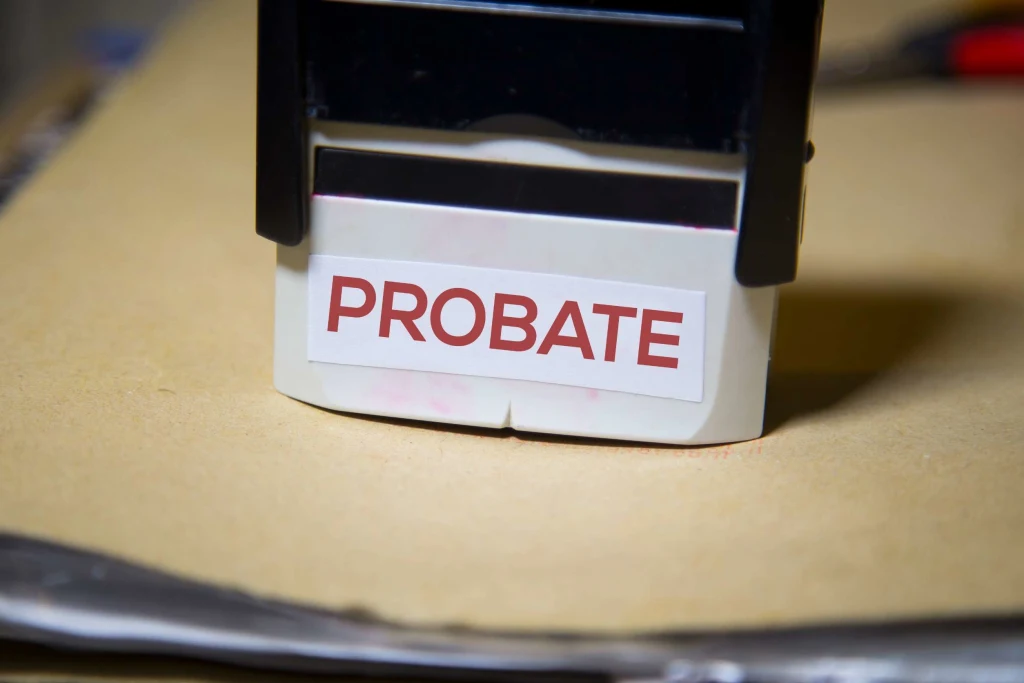
You can initiate the probate process in Maryland by filing a petition with the Register of Wills in the county in which the deceased owner lived.
Once this formal request is filed, the court will appoint a personal representative and grant them the legal authority to oversee the estate settlement process. This includes identifying and assigning value to assets, notifying beneficiaries and creditors of the decedent’s death, paying all outstanding taxes and debts, and distributing whatever is left to the appropriate parties.
Note: if the personal representative resides outside the state of Maryland, they must complete and submit a Resident Agent form as part of the probate initiation process.
Keep in mind that the probate process can take anywhere from several months to a year or more, depending on a number of factors. In the interim, it’s important to stay as organized as possible.

Once the probate process has been initiated, the next step is to assess the property and establish its value. In the case of an inherited house, this should be done by an experienced professional as soon as possible.
A formal property assessment will help to determine the home’s fair market value so you’ll know what it’s worth. It also establishes the tax basis of the property, which will become relevant once it’s sold. (We’ll cover this in more detail below.)
Next, you’ll need to determine whether you want to sell the property in its current condition or invest money and time into making it more marketable. While there’s no time limit on selling inherited property in Maryland, most people choose to sell as quickly as possible, so they don’t have to deal with costly repairs and maintenance expenses.
If you do decide to fix the place up, understand that you will be on the hook financially until it’s officially sold. This may include a monthly mortgage, property taxes, utility bills, and other upkeep expenses.
In Maryland, a property’s title must be transferred into the name of the heirs or beneficiaries before it can be sold. This process is typically handled during probate.

It’s not unusual for inherited property to come with outstanding debts, such as a mortgage or home equity loan. There may also be liens on the property. These obligations must be handled before the property can be sold. Start by requesting a payoff statement from the mortgage company and check with the local records office to determine if there are any unpaid property taxes or liens.
The state of Maryland requires anyone selling residential property complete a Residential Property Disclosure and Disclaimer Statement. Maryland is somewhat unique in that sellers have the option to either provide a disclosure of known defects or a disclaimer as to the condition of the house (but not both). In the latter case, the property would be sold "as is," however, any known latent defects should be mentioned.


Selling inherited property in Maryland involves a decent amount of paperwork. This documentation includes, but may not be limited to:

You have a few different options for selling inherited property in Maryland. The most common include:
Your first option is to sell the property yourself, without a real estate agent. Here are a few advantages and disadvantages associated with choosing this path.
Pros:
Cons:
Another option is to hire a real estate agent. Of course, this option also comes with a few caveats as well.
Pros:
Cons:
The third option is to work with an investor who will pay cash for the property. Here are a few pros and cons to consider for this option.
Pros:
Cons:
Here are a few common problems that arise with inherited property so you’ll know what to expect and can prepare for them in advance.

Inheriting a property can be complicated in and of itself. Add in additional beneficiaries, along with their own preferences and personalities, and the process can become even more challenging.
Things can get especially messy when one owner doesn’t want to sell or refuses to sign probate.
In Maryland, not all owners must agree in order to sell, but if one or more are refusing, you may need to get what’s known as Orphans' Court involved. This is basically Maryland’s version of probate court.
If you and your co-owners can’t agree on how to move forward, a mediator who is experienced in these types of disputes may be your best option for reaching an amicable outcome. Getting the courts involved can add fuel to an already emotional fire.

In Maryland, a home cannot legally be sold unless it has clear title. This means ownership must be properly transferred and there are no liens, disputes, or other obligations associated with the property.
Beneficiaries who inherit property often find themselves in the situation of having to resolve outstanding issues, like paying debts, negotiating settlements, and dealing with liens and other legal concerns.
If you’re struggling with a particularly complex situation, it may be worth enlisting the help of an experienced real estate attorney.

Unfortunately, by the time a property is passed on to its rightful heirs or beneficiaries, it’s already in poor condition. When this occurs, it’s typically easier for the person inheriting the home to cut their losses and simply sell the property As-Is. Otherwise, they could be facing a significant investment of time and money.
In some cases, a home is in such serious disrepair that banks and mortgage lenders may not approve a loan. In these instances, the only option is to sell it to a real estate investor who is willing to purchase the property for cash.
Some cash buyers (like House Buyers of America) will even allow the seller to walk away from the property without even cleaning out its contents. This is an especially attractive option for hoarding situations.

Most inherited properties in Maryland are required to go through probate, which can be costly and time-consuming. Fortunately, there are a few ways to get around this:
Each of these options must be set up prior to the property owner’s death. If you are in the process of planning your estate and would like to use one of the above strategies to help your heirs avoid probate, we recommend consulting with an attorney and/or a qualified financial advisor for specific support and guidance.
or call us at 855-659-3289
Searching and Processing Address