
Last Updated : August 11, 2025 by Cameron Smith
Have you recently inherited a home in Washington, D.C.? If you’re like the majority of people who are the beneficiaries of inherited property, you’re probably thinking about selling.
Families throughout the DC metro area, including Alexandria, Fairfax, Silver Spring, Manassas, Upper Marlboro, and Arlington are often surprised how many challenges come with an inherited home. Holding expenses, cleanouts, repair costs, and probate hurdles can quickly overcome even the best-laid plans, particularly if you don’t live close to the home.
Many of the inherited homes in the DMV have been in one family for many years and are rowhomes in need of significant repairs and updates. We’ve worked with many heirs within the greater Washington area who have inherited homes that needed more work than they were prepared for.
This comprehensive guide is designed to cover everything you need to know about selling an inherited home in Washington, D.C. so you can make an informed decision that works best for you. We’ll take you through some of the common challenges you’ll face as a property heir, including financial considerations, the probate process, and the legal requirements.

Inherited property is basically any asset that gets transferred from a deceased person to their heirs or beneficiaries. This can include anything from bank balances and investments to vehicles and homes. It can also include items of sentimental value, such as personal belongings and keepsakes.
In Washington, D.C., as in most states, the inheritance process involves something known as probate. This is a legal process through which the courts oversee the settlement of the decedent’s estate, which includes settling any outstanding debts and distributing the remaining assets to their rightful new owners.
Our experience has shown that sometimes heirs believe once they inherit a home, it can be quickly placed for sale. Unfortunately, that isn’t the case, especially if there are multiple beneficiaries. Title issues, probate requirements, and unexpected legal issues can all contribute to delays.
To make selling inherited property in Washington, D.C. as simple and straightforward as possible, it’s important to understand the legal and financial implications of doing so.
Inherited homes are quite common in Washington D.C., with the area’s abundance of government-related careers and mobile workforce. Out-of-state heirs are also common in the District, and can pose unique challenges regarding the sale of the property. Here are the steps you will need to follow to sell your inherited Washington D.C. home.
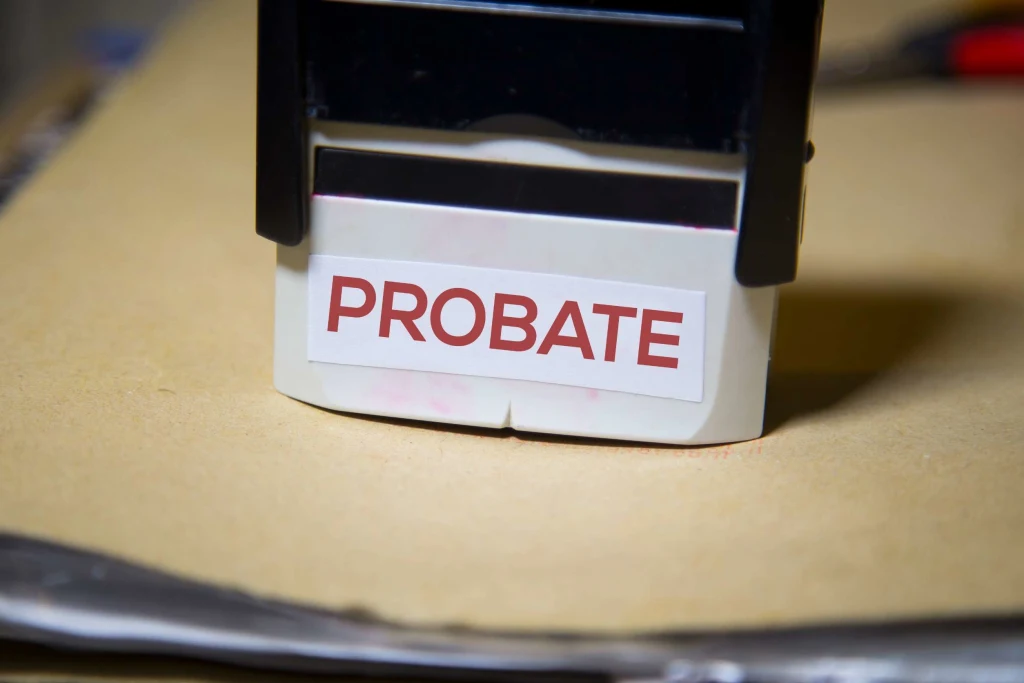
To start the probate process, you’ll need to file a petition with the DC Superior Court, Probate Division. Once this petition is filed and it’s been approved by the court, the personal representative will officially be named. Additionally, a Notice of Appointment, Notice to Creditors, and Notice to Unknown heirs will be published in the local newspaper.
If there are no challenges to the will, the personal representative can officially begin the process of identifying the estate’s assets, paying taxes and debts, and distributing what’s left to the heirs.
Keep in mind that in Washington, D.C., probate typically takes at least one year to conclude. For more complex cases, it can take much longer. Regardless, it’s imperative to remain as organized as possible throughout the process.
A common situation that we often see among families is waiting for probate to be completed before addressing the specifics of the property. We advise getting organized early, planning the property’s future with other heirs, and having a good sense of the property's condition to better prepare when it’s time to sell the home.
It’s also important to remember that during the probate process, holding costs continue, such as insurance, utilities, maintenance, and DC property taxes. These can add up, especially if the court has a current backlog.

Next, you’ll want to get a jump on assessing the property’s value. This should be done as soon as possible, as not only does a professional property appraisal help to establish the home’s fair market value for sale, but it also determines its basis for tax purposes. (We’ll go into this in greater detail below.)
Understanding local market conditions is an important step before deciding how to sell your property. Homes in the greater Washington D.C. area that have been inherited tend to be older rowhomes, sometimes remaining in the same family for years. These homes are often in neighborhoods with high market value because of good schools, location, or desirability. However, older homes can face problems such as outdated plumbing, structural quirks, aging wiring, foundation issues, and deferred maintenance. These issues can ultimately affect their appeal and value to home buyers.
If your inherited property is within one of Washington, D.C.’s many historic districts, then additional approvals may be required for alterations or renovations. Getting a good grasp of these requirements can help you early in the process and set you up for a successful renovation or sale.
Having helped buyers in the DC metro area and surrounding areas, we’ve witnessed buyers paying premium prices for homes, and most often expect well-tended, updated, move-in-ready properties. Homes receiving fewer offers are the ones that need extensive repairs or updates. A prospect that many home sellers aren’t prepared to do.
You’ll also need to start thinking about whether you’d like to sell the property As-Is, or if it might be worth investing in any necessary repairs or renovations. Keep in mind, however, that if you do decide to fix the place up, you will be on the hook for all out-of-pocket expenses associated with that, including keeping up with the mortgage and other household bills until the property is sold.
Because of this, most people who inherit property in Washington, D.C. decide to cut their losses and sell as quickly as possible. Doing this would allow you to limit the amount of time, effort, and money you’d need to invest in getting the property ready for sale.
Sometimes finances are the least of inherited homeowners' worries. For families within or outside of the DC metro area, the logistics and emotional toll of taking care of an inherited property can become too much to handle. Multiple heirs often complicate the problem because every heir has a different need and opinion on managing the property. Homes that have been vacant present a new challenge because of needed repairs and maintenance.
Our experience has shown that to avoid ongoing costs and distance issues, many heirs decide to sell quickly. Cash home buyers are a great option in this case, since homes are bought in As-Is condition, and sales are all-cash.
In Washington, D.C., the title of the property must officially be transferred into the name of the heirs or beneficiaries before it can be sold. This process is typically handled during probate.
To obtain title to the property, the beneficiary must record a certified copy of the death certificate, Form FP-7 (Real Property Recordation and Transfer Tax Form), and a quitclaim deed in the Office of the Recorder of Deeds. If you’re unsure of how to complete or file either of these documents, an estate attorney should be able to provide more guidance.
We’ve discovered that title hurdles are quite common, sometimes throwing the inheritance process into lengthy delays. To help facilitate a smooth and timely sale, address ownership issues early on.

It’s not uncommon for an inherited property to come with certain debt or encumbrances, such as a mortgage or property lien. These things must be settled before the property can be sold. If a mortgage exists, contact the lender to request a payoff amount.
To determine whether the home you’ve inherited has a lien or other legal obligation, you can check with the Recorder of Deeds or use this online liens search tool.
Liens are one of the most common situations we see regarding inheritance properties.
In Washington, D.C., sellers are required by law to disclose any and all known issues that could impact the home’s value. This must be done in writing by completing a Seller’s Disclosure Statement. This statement covers the condition of the property's features, structure, and exterior, including:
The statement also requires the seller to disclose the presence of any toxic substances such as asbestos, radon, and formaldehyde, as well as any zoning violations and unrecorded easements. Finally, sellers must disclose whether the property has any significant historical designation or is subject to a historic preservation law.


Before you can sell inherited property in Washington, D.C., you’ll need to gather all the necessary documentation and prepare all the required paperwork. This includes the following:
Everyone’s inheritance situation is different, so whether you should make repairs to your property depends on your timeline and budget. You may be able to make minor cosmetic updates to attract buyers, however, we’ve seen that significant repairs are usually required with inherited homes.
The DC metro area is known for its expansive inventory of older homes, and many of these have aging systems and outdated interiors. That means repair costs add up quickly. Unexpected repair issues also pop up during inspections, further adding to expenses. If repairs are significant, the deal may fall through because buyers are often wary of under-maintained properties or they may want extensive closing credits.

The three most common options for selling an inherited property in the DC Metro include:
Your first option is to sell your home on your own without the assistance of a real estate agent or other third party. Here are some key advantages and drawbacks to keep in mind for this option.
Pros:
Cons:
Enlisting the help of a real estate agent is another option for selling an inherited home in Washington, D.C. Of course, this option also comes with a few benefits and downsides as well.
Pros:
Cons:
The third option is to work with a cash investor who will buy the property in a lump-sum payment. These transactions typically happen much more quickly than traditional sales, but there are a few caveats to consider.
Pros:
Cons:
Choosing a cash buyer to purchase your property isn’t for everyone. It does make a good choice when probate is extending the timeline, the home needs extensive repairs, or heirs want to prevent the mental and financial strain of preparing the home for sale.
Here are a few common problems that sometimes arise with inherited property so you’ll know what to expect and can prepare for them in advance.

Under normal circumstances, inheriting a home can be a complicated and sometimes emotional experience. Add in other heirs, each with their own personalities and preferences, and you’ve got an even more complex situation to deal with.
Things can get especially messy when one or more joint owners decide they don’t want to sell. It’s not uncommon for there to be family disagreements among property heirs, forcing some properties to endure long probate cases. Inherited homes that contain the decedent's personal belongings are also points of contention among heirs.
In the District, it’s not required that all owners must agree in order to sell inherited property. That said, getting the courts involved could add fuel to an already volatile situation.
If you and your co-beneficiaries are having a difficult time reaching an agreement about the sale of the property, the most amicable option would be to try and work with a mediator or family attorney. Ideally, try to find someone who is experienced in these types of situations.
Many people who inherit homes in the DMV live out of state. Since Washington, D.C. has a highly mobile workforce, many people don’t live in the immediate area, posing a significant problem for heirs.
Caring for an out-of-state inheritance property involves logistical problems, as well as financial ones. Cleaning out the home, traveling back and forth to coordinate repairs, handling showings, and hiring good contractors for repairs can become quite expensive.
We’ve purchased many As-Is homes from out-of-state heirs who simply didn’t want to deal with the logistical challenges.

A property cannot legally be sold in Washington, D.C. unless it has clear title. This means that ownership must have been properly transferred and there are no remaining liens, disputes, or encumbrances associated with the property
Individuals who inherit property often find themselves having to resolve issues, like paying outstanding debts, negotiating settlements, and dealing with liens and other legal issues.
If you’re dealing with a particularly complicated situation, it might be worth enlisting the help of an experienced real estate attorney.

Unfortunately, by the time a home is passed down to its new owner(s), it’s often in need of serious repair. This happens a lot in cases where the decedent was elderly or sick for several years before their death, and simply could no longer keep up with the maintenance of the property.
If the property you’ve inherited needs a lot of work, you could be looking at thousands or maybe even tens of thousands of dollars in repairs just to bring it up to sellable condition. And all of these high repair costs would have to come out of your pocket. That’s not including the ongoing costs of maintaining the property while you’re fixing it up. Repairs and updates will always extend the timeline to prepare your home to list.
This is one of the main reasons most people who inherit homes in disrepair choose to sell to a cash buyer. While the sale price may be slightly lower than market value, the money you’ll save in not having to invest in repairs should more than make up the difference. Plus, if you sell the home fast, you won’t have to worry about as many maintenance costs.
Some cash buyers (like House Buyers of America) will even purchase the property with all the belongings still inside. This is a particularly attractive option for hoarding situations. The seller can simply collect their payment and walk away from the property, hassle-free.
As we’ve seen, time and time again, every inherited property comes with its own unique set of challenges. We recently helped property heir Fernando Chavez, who wanted a hassle-free way to sell his Washington D.C. home. Having purchased his home in As-Is condition, for cash, we helped him bypass the headaches of selling the traditional way.

In Washington, D.C., most inherited properties end up going through probate, which takes time and can be expensive. Fortunately, there are a few ways to get around this:
If you are in the process of planning your estate and are considering one of the above options to help your heirs avoid probate, we strongly advise consulting with an attorney and/or a qualified financial advisor for guidance with your specific situation.
or call us at 855-659-3289
Searching and Processing Address