
Last Updated : August 13, 2025 by Cameron Smith
Selling an inheriting home can be a complicated and emotional experience. Knowing what to expect can help make the process much easier.
The following article is designed to cover everything you need to know about selling inherited property in North Carolina, so you can plan ahead for a smooth transaction.

The term “inherited property” is broad, covering everything from items of value, like vehicles and real estate, to things that are only sentimental in nature, like family heirlooms.
In North Carolina, most inheritances must go through a legal process known as probate. This is where a court oversees the settlement of a deceased person’s estate, including the payment of all outstanding debts and the distribution of all remaining assets to the appropriate parties.
If you have inherited a home and are planning to sell it, it’s important to understand the financial and legal implications of doing so. Let’s explore each of these areas in greater detail below.
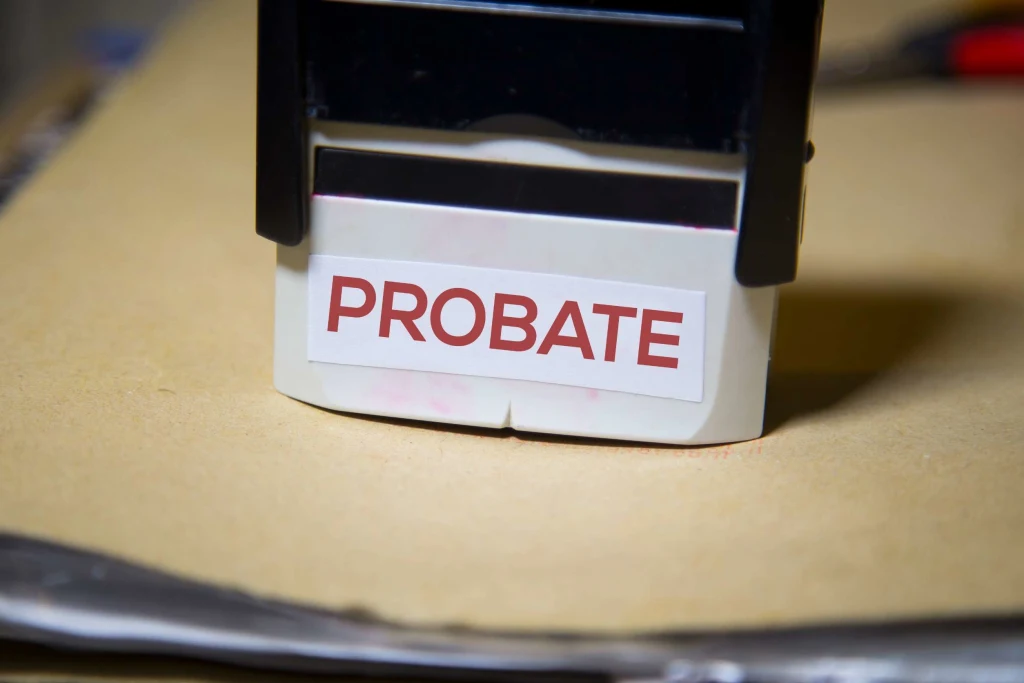
To initiate the probate process, an application must be filed with the Clerk of Superior Court in the county in which the decedent lived. The application must be submitted along with the will (if one exists), a preliminary inventory of the estate, and a certified copy of the decedent’s death certificate.
In North Carolina, the probate process can take anywhere from 90 days to 18 months or more, depending on the complexity of the estate. During this time, it’s of the utmost importance that you remain as organized as possible.

Once the probate process has been initiated, you’ll want to get the property assessed by a professional real estate appraiser as soon as possible. This is important for two reasons. One, it will determine how much the home is worth so you’ll know what you can sell it for. And two, it will provide you with a basis for tax purposes (more on that later).
Next, you’ll need to decide whether you want to invest money into fixing the property up before you sell it or whether it would be easier to sell it As-Is. Keep in mind that if you choose to make any repairs, you will be responsible for those costs and any and all expenses associated with the home until it sells. This may include mortgage payments, utilities, insurance, property taxes, etc.
In the state of North Carolina, a property’s title must be officially transferred into the name of the heirs or beneficiaries before it can be legally sold. This step is typically handled during the probate process, when the assets are officially distributed to their rightful new owners.

It’s not uncommon for an inherited home to still have an outstanding mortgage or home equity loan at the time of the prior owner’s death. Likewise, there are sometimes liens associated with inherited property. These obligations must be taken care of before the property can be sold. Start by contacting the mortgage lender and checking with the local records office to determine what, if any, incumbrances you may have to settle.
The Residential Property Disclosure Act requires the seller of residential real estate to complete a Residential Property and Owners' Association Disclosure Statement revealing any known issues that could negatively affect the property. This may include, but is not limited to:
In NC, sellers must also disclose whether any mineral, oil, and/or gas rights come with the property.


Before you can sell inherited property in NC, you’ll need to gather and/or prepare the following documentation:

There are a few options for selling inherited property in North Carolina. The three most common include:
As the home’s new owner, you have the right to sell the property on your own, without having to hire a real estate agent. There are a few pros and cons to this option.
Pros:
Cons:
Another option for selling an inherited home in NC is to work with a real estate agent. Of course, this option also comes with its own advantages and disadvantages.
Pros:
Cons:
The third option is to work with an investor who will purchase the property for cash. Here are a few benefits and drawbacks to consider this option.
Pros:
Cons:
Selling inherited property in North Carolina may not be as straightforward as it might initially seem—especially if you find yourself dealing with one or more of the following scenarios.

When parents leave their homes to their children, it often leads to navigating differing personalities and opinions on how to handle the property after their passing.
If everyone is on the same page, there may be no issues, but what happens if one or more siblings decide they don’t want to sell or refuse to sign probate?
Even if all heirs do agree to sell, then there’s the question of when and how to do so.
If you and your siblings are struggling to reach an agreement, you may want to consider working with a mediator who is experienced in these types of situations.

As covered above, a home cannot be legally sold in the state of North Carolina unless it has a clear title. In many cases, there may be certain steps you will need to take in order to accomplish this.
For instance, if there are any liens or outstanding taxes on the property, these will need to be settled before the title can be transferred.
If you are dealing with a particularly complex situation or you’re just unsure of how to proceed, consulting with an experienced real estate attorney may be your best bet.

A significant portion of inherited homes are in serious disrepair by the time they are passed on to heirs or beneficiaries. This can happen for a number of reasons, but most often occurs when the decedent was elderly, in poor health, or simply unable to afford to maintain the property for some time prior to their death.
In such situations, the inheritor must decide whether to invest in fixing up the property or sell it in its current condition. More often than not, selling As-Is is the more practical choice, as it avoids the need for additional time or financial investment before the sale.
This is where a cash buyer can be incredibly helpful, as it eliminates the need to spend money on repairs or renovations. In some cases, you might even be able to sell the property without clearing out its interior—a particularly appealing option if hoarding was an issue prior to the owner's passing.

In North Carolina, most inherited property must go through probate, which takes time and can be costly. Thankfully, there are a few ways to get around this:
Most of these arrangements must be set up prior to death. If you're planning your estate and considering these options to help your beneficiaries avoid probate, it's advisable to consult with an experienced estate attorney or a qualified financial advisor for personalized guidance.
or call us at 855-659-3289
Searching and Processing Address