
Last Updated : August 15, 2025 by Cameron Smith
Inheriting a home can be an overwhelming experience. If you’ve recently inherited a property in Florida and you’re considering selling, knowing what to expect can make the process go much more smoothly.
The following comprehensive guide is designed to cover all the most important aspects of selling inherited property in Florida so you’ll be ready to tackle anything that comes your way.

The term “inherited property” refers to any asset that a deceased person passes down to their heirs or named beneficiaries. These assets can include everything from money and investments to furniture and other personal belongings to vehicles and homes.
In the state of Florida, most inheritances go through a legal process known as probate, through which a court oversees the settlement of the decedent’s estate. This typically involves making sure any outstanding debts are paid and distributing whatever assets remain to the appropriate parties.
To make selling inherited property in Florida as simple and straightforward as possible, it’s important to understand the financial and legal implications of doing so.
First, you’ll need to submit the will to the local court in the county where your loved one lived. In Florida, this must be done within 10 days of the person’s death. The court will then confirm that the will is valid.
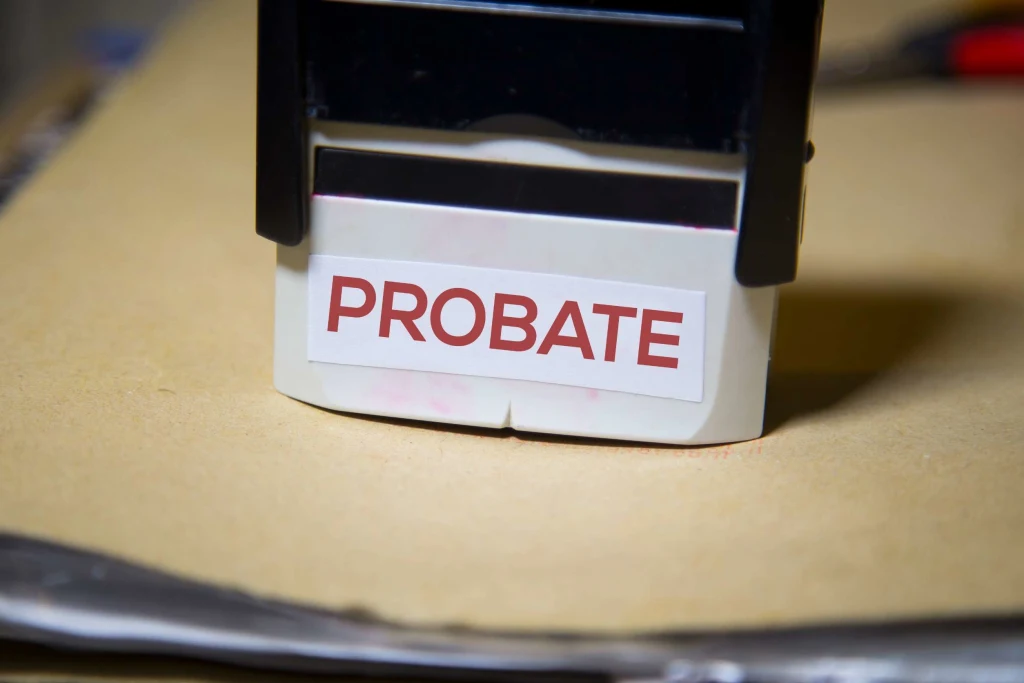
The probate process in Florida is initiated by filing a petition, along with the filing fee, to the clerk of the circuit court, typically in the county in which the decedent lived at the time of their death.
Once approved, the court will appoint an executor or personal representative who will be responsible for managing the estate. This includes identifying and valuing assets, paying any outstanding debts or taxes, and divvying up what’s left to the heirs.
In Florida, the probate process takes an average of about a year. During this time, it’s important to keep the lines of communication open and remain as organized as possible.

Once the probate process has been initiated, you’ll want to get the ball rolling on evaluating and assigning value to the asset(s) you’ve inherited. In the case of a home, it’s imperative that you obtain a professional appraisal as soon as possible. This will help determine the fair market value of the property. It will also establish the property’s tax basis, which will come into play once sold.
You’ll also need to make a decision about whether you want to repair or renovate the property to make it more marketable, or just sell the home As-Is. Keep in mind that if you decide to fix the place up, you will also be responsible for the financial upkeep until the property is officially sold.
For that reason, most people who inherit homes try to sell them as quickly as possible. That way they can minimize the amount of time, money, and other resources they’ll need to invest in the property.
In Florida, the designated heir or named beneficiary is required to provide proof of inheritance to have the title of the property transferred into their name. This process is typically handled during probate, when the judge declares that an owner who is not on the deed is entitled to the home. It’s essentially changing the name on the title without a sale.
Once the title has been transferred, the probate judge will then issue what’s known as an Order Determining Homestead Status of Real Property. This is a legal document that officially allows the inheritor to sell the property.

When you inherit a property, you also inherit any outstanding debt that’s associated with it. There may also be existing liens on the property. These obligations and encumbrances must be addressed before the property can be sold.
Start by requesting a payoff statement from the mortgage lender and verify with the local records office in the county where the property is located to see if there are any unpaid property taxes or liens.
Florida law requires that sellers disclose certain information about a home’s condition. Specifically, it is mandated that all known facts materially affecting the value of the property, which are not readily observable and/or are not known to the buyer, be disclosed. Failure to do so could result in serious legal ramifications.
A few examples of what must be disclosed before selling inherited property in Florida include:


Before you can move forward with the sale, you’ll need to gather all the necessary paperwork. In Florida, this includes the following:

When it comes to selling an inherited home, there are several options. The most common include:
You can sell your home on your own, without a real estate agent, which means no commissions. It also means you’re entirely on your own for the whole process. Here are a few specific pros and cons to consider.
Pros:
Cons:
Another popular option is to hire a real estate agent. This comes with a few benefits and downsides as well.
Pros:
Cons:
The third option is to work with a cash buyer. These types of transactions are typically much faster than traditional sales, but they do have their own advantages and disadvantages to consider.
Pros:
Cons:
Here are a few common issues that could potentially arise with inherited property so you can prepare for them in advance.

Often, parents leave their homes to more than one of their children, making an already complicated and emotional process harder to navigate.
Inheriting a home with multiple heirs can get especially messy if one or more of the joint owners decide they don’t want to sell or refuse to sign probate.
In Florida, not all owners are required to agree in order to sell inherited property, but the courts may end up having to get involved, which can add to an already tense situation. Even if all owners agree to sell, deciding how and when to do so can add another layer of complexity.
If you’re one of multiple heirs and you are at an impasse on how to move forward, enlisting the help of an experienced mediator may be the best way to reach an amicable outcome.

A property can only be legally sold if it has a clear title. This means ownership must have been properly transferred and there are no existing liens, pending disputes, or other encumbrances associated with it.
Individuals who inherit property often have to resolve certain issues, such as paying outstanding debts, negotiating with creditors, and addressing liens and other legal issues.
If you’re dealing with a particularly messy or complicated situation, a real estate attorney who is experienced in estate law can help guide you through the process.

Sadly, many homes that are passed down—particularly those that were previously owned by someone who was elderly or in failing health—are often in serious disrepair at the time of inheritance.
If the property you’ve inherited is in poor condition, you could be looking at tens of thousands of dollars out of pocket just to get it in sellable condition. Then there are the costs associated with maintaining the home while you’re fixing it up. For example, there may still be a mortgage, as well as other household expenses to take into consideration.
This is why many people who sell inherited property in Florida choose to work with a cash buyer. While the sale price may be slightly below market value, it’ll often even out since there are fewer out-of-pocket expenses to worry about.
Some investors (like House Buyers of America) will even purchase the home with all the belongings still inside. This is a great option for hoarding situations. The seller simply walks away with cash in hand, and the buyer takes care of all the clean-out.

As mentioned above, most inherited properties in Florida must go through probate, which takes time and can costs money. Thankfully, there are a few ways to get around this:
Most of these need to be set up prior to one’s death. If you are in the process of planning your estate and are considering one of the above options to help your heirs avoid probate, we strongly suggest consulting with an experienced estate attorney and/or a qualified financial advisor.
or call us at 855-659-3289
Searching and Processing Address