
Last Updated : August 15, 2025 by Cameron Smith
Selling an inherited property can be a complicated process—both financially as well as emotionally. If you recently inherited a home in New York and are thinking about selling, but aren’t sure where or how to begin, you’ve come to the right place.
This article will cover all the ins and outs of selling inherited property in New York to help you better plan and prepare for a smooth, uneventful transaction.

The term “inherited property” covers pretty much everything that is passed on from a deceased person to their heirs or beneficiaries. This includes assets, like cash, investment accounts, vehicles, and real estate. It may also include items that have little to no monetary value, such as personal belongings and things that are sentimental in nature.
In the state of New York, most inherited property must first pass through a legal process known as probate. This is where a court oversees the payment of any and all debts owed and the distribution of all remaining assets to their rightful new owners.
If you plan on selling a New York home you inherited, it’s important to understand everything that’s involved in doing so. In particular, you’ll want to make sure you know what steps to take, and in what order. Let’s go through this together below.
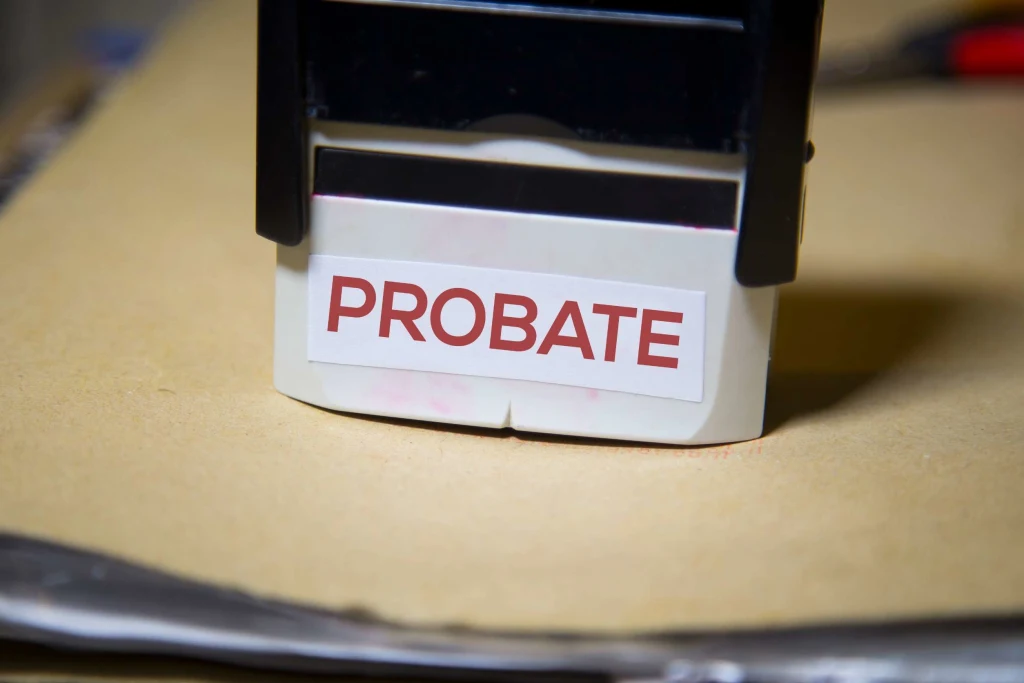
The first step after inheriting property in New York is to initiate the probate process. This is done by filing a petition, along with the will (if one exists) and a certified copy of the death certificate, with the Surrogate’s Court in the county in which the decedent lived.
The judge will then confirm the validity of the will (if applicable) and ensure that all relevant parties have been properly notified of the death. The judge will also officially name an executor who will make sure that all creditors are paid, and assets are distributed appropriately.
In New York, the probate process can take anywhere from 9 to 18 months or more, depending on the complexity of the estate and other factors. Throughout this process, it is imperative that you stay as organized as possible.

Once you’ve initiated the probate process, the next critical step is to have the property evaluated by a professional real estate appraiser. This serve two main purposes: it helps determine the current market value so you’ll know how much to sell it for, and it establishes your tax basis. (We’ll cover this in more detail below.)
Now that probate has begun and you’ve had the home appraised, the next step is to determine whether you’d like to sell it in its current condition, or if you want to invest in any repairs or renovations. Keep in mind that if you do decide to spruce the place up, you’ll be responsible for all the financial upkeep of the home while it’s still in your name. In other words, you may have to continue paying the mortgage, utilities, insurance, etc. until the property officially sells.
In the state of New York, a property cannot be legally sold until the title is officially transferred into the name of its new owner. This important step is typically handled during the probate process.

It’s not uncommon for inherited property to have existing obligations associated with it, such as a mortgage or home equity loan. Likewise, the house you inherited may have a lien placed on it. These things must be cleared up before the property can be sold.
New York law mandates that all sellers of residential property complete Property Condition Disclosure Statement revealing any material defects in the property. Unlike most other states, however, the seller can opt instead to pay a credit of $500 to the home buyer at the time of closing.
Material defects cover anything that poses a safety risk or that can have a significant, adverse effect on the value of the property, such as defects in any of the following:
If you choose to pay the $500, we strongly recommend asking the buyer to acknowledge—in writing—that the credit was accepted in lieu of the disclosure statement.


Before you can sell inherited property in New York, you’ll need to gather and/or prepare the following documentation:

There are several options for selling inherited property in the state of New York. The three most common include:
Some owners choose to sell their inherited property without the help of a real estate professional. There are a few advantages and disadvantages to this option.
Pros:
Cons:
Another option is to enlist the help of a real estate agent to sell your inherited property. Of course, this option also comes with its own pros and cons.
Pros:
Cons:
The third way to sell an inherited property is to work with a real estate investor who is willing to buy the home for cash. Here are a few benefits and drawbacks to consider this option.
Pros:
Cons:
Sometimes selling inherited property isn’t as simple or straightforward as you may hope—especially if you find yourself dealing with one or more of the following common scenarios.

Selling an inherited property can be complex enough when you’re the sole owner. Adding in additional beneficiaries, each with their own personality and preferences, can make things even more complicated.
For instance, what happens if one heir doesn’t want to sell, or refuses to sign probate? You can try and force the sale, but involving the courts can add fuel to an already volatile situation.
If you are one of multiple beneficiaries and are struggling to agree on how to move forward, we suggest enlisting the help of an experienced mediator. This can help avoid lengthy, costly, and emotion-ridden legal proceedings.

As mentioned above, a home cannot be legally sold in the state of New York unless it has clear title. In many cases, there may be additional actions that must be taken in order to accomplish this.
For instance, if there are any taxes owed or liens on the property, these things will need to be addressed before the title can be transferred.
If you are dealing with a particularly complicated situation or you’re just unsure of how to proceed, an real estate attorney who is experienced in this area should be able to provide some guidance.

Another common scenario with inherited real estate is that by the time the property is passed on to its new owner, it is in serious disrepair. In some severe cases, the home may not even be able to pass inspection. This may result in the inability for a potential buyer to obtain a mortgage loan.
Selling to a cash buyer can help you avoid having to sink tens of thousands of dollars into the repairs or renovations that would be necessary to bring the home up to code and/or make it more marketable.
With the right real estate investor, you may not even need to remove any of the previous owner’s belongings from the home. A true As-Is sale means you can receive a lump-sum payment for the property in its current condition and walk away free and clear.

In New York, the probate process can be costly and time-consuming. Thankfully, there are a few ways to get around this:
If you're in the process of planning your estate and considering one of these options to help your beneficiaries avoid probate, we strongly recommend consulting with an experienced estate attorney or a qualified financial advisor for customized advice.
or call us at 855-659-3289
Searching and Processing Address