
Last Updated : August 22, 2025 by Cameron Smith
Have you recently inherited a home in Wisconsin and are thinking about selling? You’re not alone. In fact, the majority of individuals who inherit property choose to sell. But selling a house that was left to you by someone else can be a complicated and emotional process.
To make things a little less chaotic, we’ve put together a comprehensive guide designed to cover all the ins and outs of selling inherited property in Wisconsin.
From navigating the probate process to understanding taxes and other financial issues, this resource will help you prepare ahead for a smooth and uneventful transaction.

Inherited property covers anything that is passed down from a deceased person to their heirs or beneficiaries. This can include items of value, such as cash, investment accounts, jewelry, vehicles, and homes. It can also include personal property that may not have monetary value but is sentimental in nature.
In the state of Wisconsin, inherited property must go through a legal process known as probate before it can be transferred to its new rightful owner(s). This process, overseen by the court, ensures that all of the decedent’s remaining debts are paid, and that whatever is left over is distributed accordingly.
Before selling inherited property in Wisconsin, you’ll need to know what to expect and how to prepare for what’s to come. Let’s start by going over the initial steps you should take once you’ve been informed of your loved one’s passing.
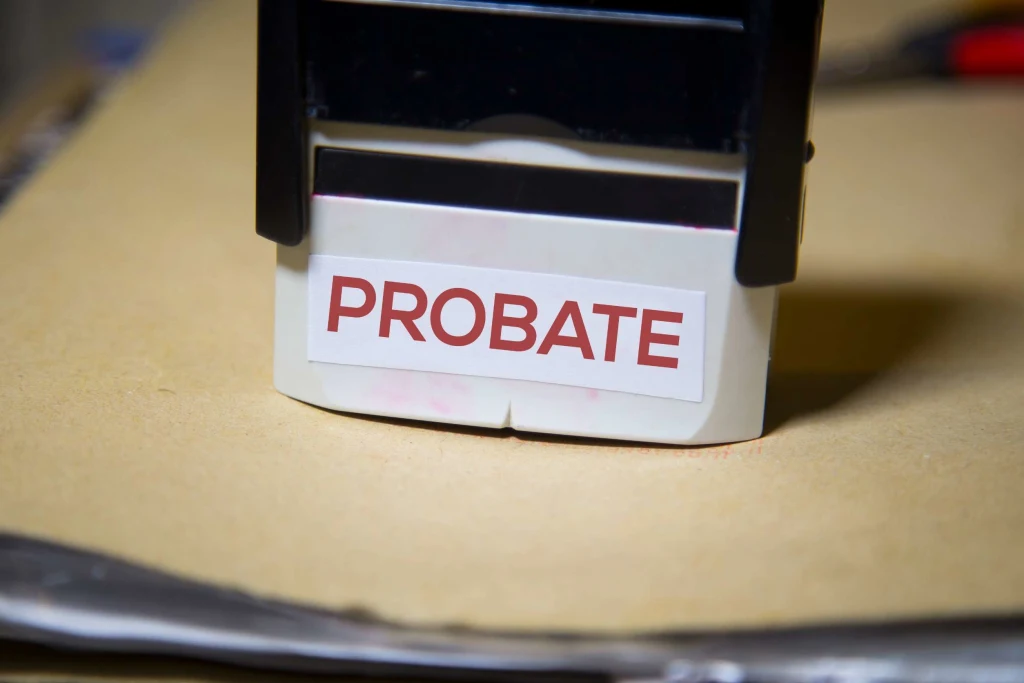
The first step in selling inherited property is to start the probate process. This is done by filing a petition with the county court of the deceased person's last residence. The petition should be accompanied by copies of the death certificate and will (if one exists).
Once this is filed, the court will then review, approve, and name a personal representative who will be in charge of managing the estate. This includes notifying creditors and other potential heirs, inventorying and valuing assets, settling debts and taxes, and ensuring the remaining assets are distributed to the appropriate parties.
In Wisconsin, the probate process can take anywhere from six months to a year or longer, depending on the size and complexity of the estate, and whether or not there are any disputes. While probate is open, it is imperative that you stay as organized as possible.

Next, you’ll need to establish the current value of the property. This is done through a professional property appraisal, which serves two primary purposes: to determine how much you can sell the home for, and what the basis will be for tax purposes. (The latter will come into play when you officially sell the property.)
Once you’ve determined the home’s value, the next thing you’ll need to do is start preparing the property for sale. This may include removing personal belongings, cleaning the property, and performing certain repairs or renovations. Alternatively, you might decide to sell the home As-Is. Generally speaking, most people who inherit property choose to sell as quickly as possible, without investing additional time or money to fix the home up.
In Wisconsin, inherited property cannot officially be sold until its title has been legally transferred into the name of the new owner. This step is typically handled during the probate process.

It’s not uncommon for a home that is inherited to also come with certain debts or legal obligations. Whether there’s an existing mortgage or home equity loan, or the property has liens associated with it, you’ll need to get these things taken care of before you can move forward with the sale.
Most sellers of residential real estate in Wisconsin are required by law to disclose certain pertinent information about the condition of their property. This is done in writing through a real estate condition report.
Fortunately, the law makes an exception for sellers who haven't lived at the property, such as personal representatives of an estate. Keep in mind, though, that while a formal report isn’t required, you could still be held legally responsible if you knowingly conceal a material defect in order to expedite the sale of the home.
The International Association of Certified Home Inspectors defines a material defect as "a specific issue with a system or component of a residential property that may have a significant, adverse impact on the value of the property or that poses an unreasonable risk to people."


 Death certificate[/caption]
When selling an inherited home in Wisconsin, you'll need to gather certain essential documents to ensure a smooth and timely transaction. Here's what you should prepare:
Personal Identification
Inheritance Verification
Official Death Certificate
Property Ownership Records
Tax Documentation
Having these documents prepared and organized before listing the property for sale will streamline the process and help prevent potential delays or complications.

You have a few different options for selling inherited property in Wisconsin. The three most common are as follows:
First, you have the option to sell your property on your own, without assistance from a real estate agent. Of course, this approach comes with both benefits and drawbacks.
Pros:
Cons:
Another option is to sell your inherited property with the help and guidance of a real estate agent. While this approach does come with some advantages, it also has a few downsides to consider.
Pros:
Cons:
The third option is to sell your inherited property to a cash investor for a lump-sum payment. This method definitely has its perks but also has a few trade-offs.
Pros:
Cons:
Selling inherited property in Wisconsin may not be as straightforward as you hope—particularly when faced with one or more of the following situations.

When multiple heirs inherit a property together, what seems like a simple deal can turn into a messy, emotional rollercoaster. Things get tricky when some family members drag their feet on signing probate documents, are resistant to sell, or let their feelings cloud their judgment.
Even if everyone’s on board with selling, there may still be disagreements over when and how to sell. If negotiations have hit a dead end, bringing in a mediator might be your best option—keeping the peace within the family while avoiding a costly and emotionally taxing legal battle.
Ideally, you’ll want to look for a mediator who has direct experience working on estate dispute cases.

As mentioned, you can’t sell an inherited property in Wisconsin until the title has been fully cleared. The problem is, many of these homes come with liens or unpaid taxes, further complicating matters and potentially delaying the sale.
If you’re facing a tricky situation with the title and aren’t sure what to do next, consulting an experienced real estate attorney is probably your best bet.

When properties are inherited, they often carry the burden of years of neglected upkeep. As owners grow older or struggle with health issues, maintaining a home can become increasingly difficult, leaving the property in less-than-ideal shape by the time it’s passed on.
Bringing such a property up to par could mean shelling out thousands—or even tens of thousands—of dollars, and as the new owner, that money will come out of your pocket. On top of that, ongoing expenses like property taxes, insurance, and utility bills will continue to pile up, whether anyone’s living there or not.
For these reasons, selling to a reputable cash buyer may be the best option. This gives you the option to sell the property As-Is, so you’ll be off the hook for repairs or renovations. In some cases, a home’s condition is so deplorable that traditional mortgage lenders won’t take the risk, leaving a cash deal as the only way forward.
Some cash buyers will even take care of cleaning out the property. When you’re staring at decades of accumulated junk—or even a hoarding mess—this can be a huge load off your shoulders.

As mentioned above, in the state of Wisconsin, most inheritances are required to go through probate, which can be a time-consuming and costly process. Fortunately, there are a few ways around this:
For these methods to be legal and binding, they must be enacted before the property owner's passing. If you're exploring estate planning options to help your heirs avoid probate, consulting an experienced estate attorney or a qualified financial advisor is strongly recommended.
or call us at 855-659-3289
Searching and Processing Address