
Last Updated : August 22, 2025 by Cameron Smith
Inheriting a home can bring a rollercoaster of emotions. On one hand, taking over ownership of a loved one’s property can be a positive thing. On the other, understanding the legal and financial implications can be confusing and downright overwhelming—especially if you plan on selling.
Fortunately, we’ve already handled the heavy lifting for you by creating this comprehensive guide to selling inherited property in Alabama. In the following sections, you'll discover what to expect and which steps to take, allowing you to navigate the entire process with ease and confidence.
Let’s dive right in!

Inherited property encompasses any belongings that are passed from deceased person to an heir or beneficiary. This may include things of value, such as money, investments, vehicles, and real estate. It may also include personal items that may not be worth much monetarily, but hold sentimental value, such as photographs or family heirlooms.
In the state of Alabama, inherited property typically must go through a legal process known as probate before it can officially be transferred to its new rightful owner(s). This process is where a court oversees the settlement of the decedent’s estate, ensuring that any outstanding debts are paid, and the remaining assets are distributed accordingly.
Before selling the Alabama home you inherited, you’ll want to know what to expect so you can better prepare for what’s to come. Let’s start by going over the initial steps you should take once you’ve been informed of your loved one’s passing.
The first step in the process is to initiate probate. This is done by filing the will and a petition for probate (or a petition for administration if there's no will) with the probate court of the county where the deceased person resided at the time of their death. In Alabama, probate must be initiated within five years of the decedent’s death.
There are two main types of probate in Alabama:
You may choose to consult with an estate attorney to determine which type of probate you should be petitioning.
Once the appropriate documentation is filed, the court will designate an executor or personal representative to manage the estate. This process will include notifying creditors and heirs, inventorying and valuing assets, paying off taxes and other debts, and ensuring that the remaining assets are transferred to the appropriate parties.
In Alabama, the probate process can take a minimum of six months (even informal probate). For complex or contested estates, the process can take up to a year or longer. While the probate process is open, it’s important to stay as organized as possible.

Once probate has been initiated, the next step is to determine the property’s value. This is important for two reasons. First, it will help you determine how much you can sell the property for, and second, it will establish the home’s tax basis, which will come into play once you officially sell. To ensure accuracy and compliance, property assessments should be performed by an experienced, reputable appraiser.
Since you plan on selling, you’ll also want to get a jump on getting the property ready to put on the market. This will likely include cleaning out and removing furniture and other personal belongings. You will also need to determine whether or not you plan on doing any repairs or renovations before placing the home up for sale.
Keep in mind that if you do choose to fix the place up, you will be financially responsible for any and all updates. You’ll also be on the hook for ongoing expenses until the home sells, such as mortgage payments, utility bills, and insurance. These expenses will continue to accrue, regardless of whether the property is occupied or not.
As with most states, you cannot legally sell an inherited home in Alabama until its title has officially been transferred into the new owner’s name. This step is typically handled during the probate process.

When you inherit a home from a loved one, you also inherit any outstanding debt or other encumbrances that are associated with that property. This may include things like mortgages, home equity loans, and property liens.
Before you can officially sell, you’ll need to make sure these things are taken care of. Start by contacting the lender to request a payoff amount, and check with the county clerk to determine if there are any legal obligations that need attention.
Alabama is one of the few states that still follows the old common law rule of “caveat emptor,” also known as “buyer beware.”
What this means in terms of real estate transactions is that sellers are required to disclose very few things about the property. That said, if a prospective buyer asks questions, the seller cannot lie or do anything to hide the truth.
In other words, sellers are obligated to truthfully answer any questions asked by the buyer about the property's condition. Additionally, if the seller is aware of certain health or safety-related defects, such as the presence of asbestos or lead paint, and known defects, like issues with the roof or foundation, they must disclose this information to prospective buyers.
When in doubt, being honest and upfront is always your best bet.

Appraised Value x Property Classification = Assessed Value
Once the assessed value has been determined, multiply it by the appropriate millage rate for the area in which the home is located. Millage is the tax rate expressed in decimal form, as follows:
Assessed Value X Millage Rate = Unadjusted Tax Bill


Selling an inherited home in Alabama requires several essential documents to ensure a smooth and timely transaction. Here's what you’ll need to gather ahead of time:
Personal ID
Verification of Inheritance
Death Certificate
Property Ownership Records
Tax Documentation
Having all of this paperwork prepared and ready to go before moving forward with the sale will streamline the process and help prevent potential complications or delays.

When it comes to selling inherited property in Alabama, there are a number of options. The three most common are as follows:
First, you can sell the home on your own, without the assistance of a real estate professional. Of course, this approach comes with certain benefits and drawbacks.
Pros:
Cons:
Another option is to sell the home with the help of a real estate agent. While this option does come with some upsides, it also has a few negatives to consider.
Pros:
Cons:
Your third option is to sell to a cash buyer for a lump-sum payment. This approach certainly has its perks, but also a few trade-offs to consider.
Pros:
Cons:
Selling inherited property in Alabama may not be as straightforward as you might hope—especially if you’re dealing with one or more of the following scenarios.

When multiple heirs inherit a property, what starts as a straightforward process can quickly become complicated and emotionally charged. Disagreements often emerge when some beneficiaries delay signing probate documents, resist selling the property, or allow emotions to outweigh financial considerations.
Even when everyone agrees to sell, conflicts over timing and sale logistics can add additional fuel to an already tense situation.
If discussions have reached a standstill, professional mediation may be the most effective way forward. This can help maintain family relationships while preventing the financial and emotional toll of legal disputes.
For the best outcome, consider working with a mediator who is experienced in estate and inheritance conflicts.

In Alabama, selling an inherited home isn’t possible until the title is legally cleared. However, complications like unpaid taxes or existing liens can create unexpected delays.
If you're facing a complex title issue and are unsure how to proceed, consulting an experienced real estate attorney can help streamline the process and provide the clarity you need.
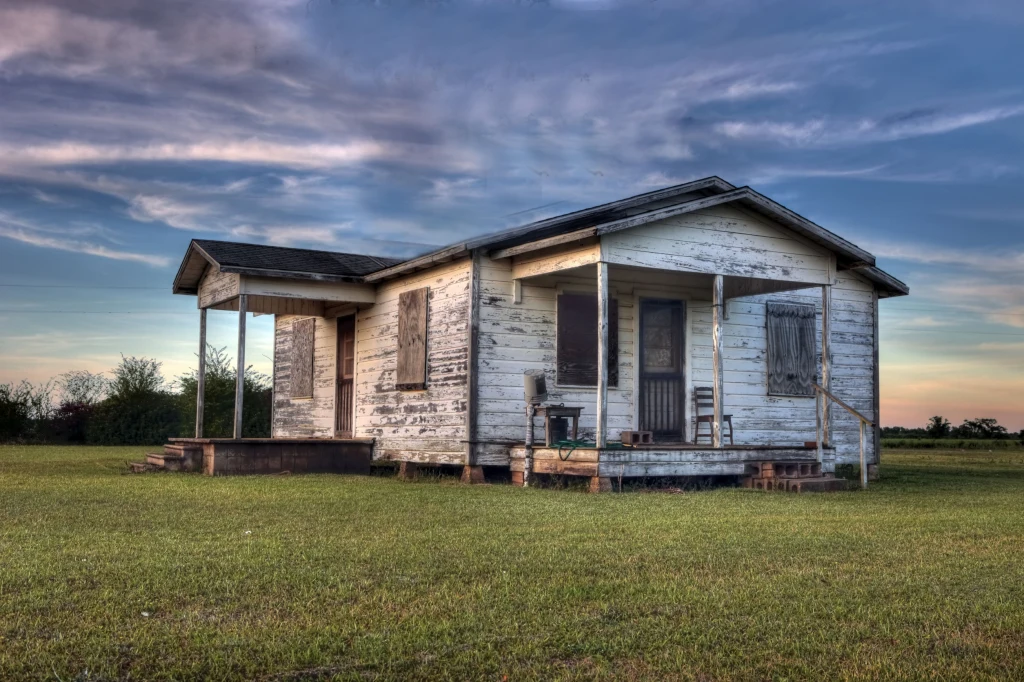
Inherited homes are often in significant disrepair by the time they change hands, as aging homeowners or those with health challenges may have struggled to keep up with maintenance. This can leave you, as the new owner, facing a substantial financial and logistical burden.
Renovation costs for a neglected property can escalate quickly, sometimes reaching tens or even hundreds of thousands of dollars—expenses that would come directly from your pocket. On top of that, ongoing costs like property taxes, insurance, and utilities will also continue to pile up, whether the home is occupied or not.
For these reasons, many heirs find that selling to a reputable cash buyer provides a fast and stress-free alternative. These investors purchase homes in As-Is condition, eliminating the need for costly repairs or upgrades. If the property is in such poor shape that traditional lenders won’t approve financing, a cash sale may not just be the easiest option; it might be the only one.
Another key advantage of selling to a cash buyer is that many will handle the property cleanout as well. If you’ve inherited a home filled with years of accumulated belongings—or even a hoarding situation—this can help relieve both the physical and emotional strain of clearing it out.

As previously discussed in this guide, most inheritances in Alabama must go through probate, a process that can be both time-consuming and expensive. Fortunately, there are legal strategies that can help streamline the transfer of property and avoid probate altogether:
These estate planning options must be arranged before the property owner’s passing to be effective. If you’re exploring ways to help your heirs avoid probate, consulting an experienced attorney or financial advisor is a smart move.
or call us at 855-659-3289
Searching and Processing Address