
Last Updated : August 25, 2025 by Cameron Smith
Navigating the sale of an inherited home can be an overwhelming experience. On top of grieving the loss of a loved one, you’re also faced with a maze of legal, tax, and other financial responsibilities.
It’s easy to feel lost in the process. That’s why we’ve taken the guesswork out of the equation with this all-in-one guide to help you understand the ins and outs of selling inherited property in Iowa.

Inherited property refers to anything passed down from a deceased individual to their heirs or designated beneficiaries. This can range from high-value assets like homes and vehicles to sentimental belongings such as family photos or cherished keepsakes.
In Iowa, most inherited assets go through a legal process called probate. During probate, the court oversees the administration of the estate. This includes inventorying and appraising assets, settling any remaining debts or taxes, and ensuring the rightful transfer of property to the appropriate parties.
If you're planning to sell inherited property in Iowa, understanding what lies ahead is key. To help you navigate the process with confidence, let’s start by covering the first steps you should take after the passing of your loved one.
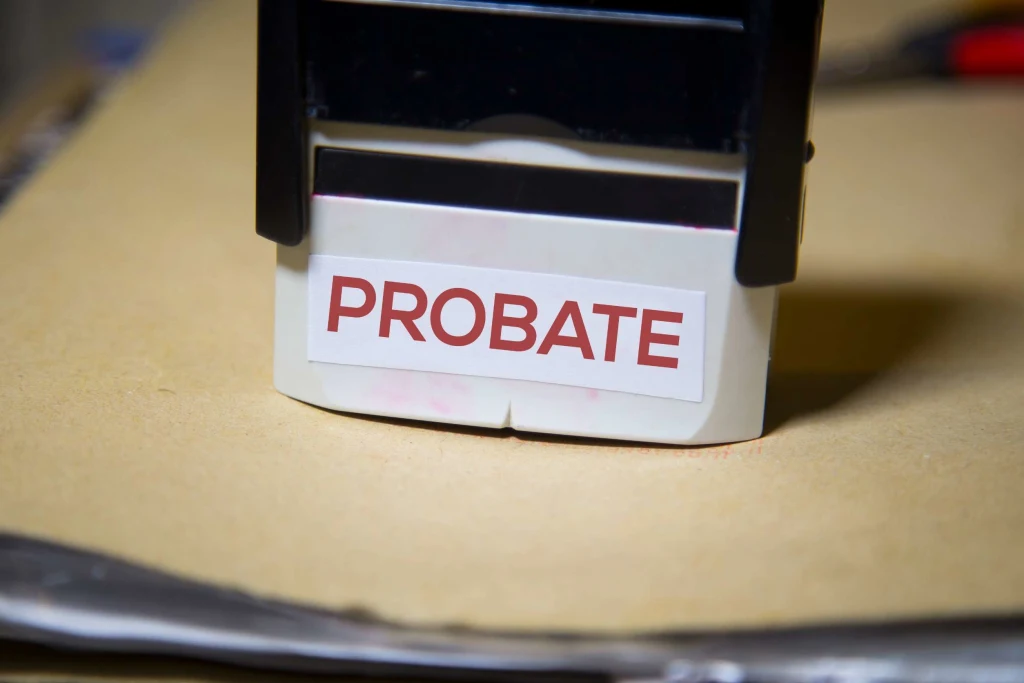
The first step in selling your inherited property is to start the probate process. This is done by filing a petition with the court in the county where the decedent resided at the time of their death.
In Iowa, there are three types of probate:
If you’re unsure which type of probate you should be requesting, consulting with a real estate attorney could add clarity. In most cases, when real estate is involved, formal probate is required.
In Iowa, the probate process can take anywhere from six months to a year or longer, depending on the size and complexity of the estate. During the probate process, you’ll want to try and remain as organized as possible.

Once probate has been initiated, the next step is to have the home professionally appraised. This is done for two reasons. First, it helps determine the value of the property, so you’ll know how much to list it for. And second, it establishes a basis for tax purposes, which we’ll discuss in greater detail below.
Finally, you’ll need to start getting the property ready for sale. This includes clearing out all the remaining items from the home and deciding whether or not to invest in any repairs or renovations.
Keep in mind that if you do decide to fix the property up before selling, you will be financially responsible for the costs of those updates. You’ll also be on the hook for any and all expenses associated with maintaining the property, such as mortgage payments, insurance premiums, property taxes, and utilities.
In the state of Iowa, an inherited home cannot be legally sold until its title has officially been transferred into the name of its new owner. This step is usually handled during the probate process.

When a property is passed along to an heir, it often comes with certain obligations, like existing loans or liens. These obligations must be taken care of before the property can be legally sold to someone else. To determine whether any such encumbrances exist, contact the county clerk where the property is located.
In Iowa, sellers of residential real estate are required by law to disclose certain information about the status and condition of the property. This must be done in writing through a Residential Property Seller Disclosure Statement. Specifically, sellers must disclose any known material defects with the home’s structure and major systems.
According to the International Association of Certified Home Inspectors, a material defect is defined as "a specific issue with a system or component of a residential property that may have a significant, adverse impact on the value of the property or that poses an unreasonable risk to people."
Some of the problems that must be disclosed include but are not limited to:
In addition to Iowa's state disclosure laws, federal law requires sellers of any property built prior to 1978 to disclose the existence of lead-based paint.
Failure to comply with state and federal disclosure requirements could result in potential legal issues, fines, and a bunch of other serious consequences you probably don’t want to deal with.



To make the process of selling inherited property in Iowa as smooth and efficient as possible, you'll need to have several key documents readily available. Here’s what to gather in advance:
Personal Identification
Verification of Inheritance
Official Death Certificate
Property Ownership Records
Tax Documentation
Having these documents prepared and ready to go ahead of time will streamline the process and help prevent potential complications and delays.

When it comes to selling inherited property in Iowa, you’ve got several options. The three most popular are as follows:
First, you can choose to sell the property on your own, without the assistance of a real estate agent. Of course, this options comes with certain advantages and disadvantages.
Pros:
Cons:
Another option is to sell the home with the help of an experienced real estate professional. This approach also comes with certain upsides and drawbacks.
Pros:
Cons:
Your third option is to sell the home to a cash buyer for a lump-sum payment. This option does have some perks, but it also has a few trade-offs to consider.
Pros:
Cons:
Selling inherited property in Iowa may not be quite as simple as you may hope, particularly if you are dealing with one or more of the following scenarios.

When a property is left to multiple heirs, what may seem like a straightforward process can quickly become complex and emotionally tense. Disputes often surface if one or more parties refuses to sign probate paperwork, objects to selling the home, or allows emotions to outweigh practical financial decisions.
Even when everyone agrees to sell, further disagreements about timing, pricing, or next steps can lead to additional tension.
If you and your fellow heirs are stuck in a stalemate, bringing in a neutral third-party mediator might be the best path forward. Mediation offers a way to resolve disputes peacefully, helping to preserve family relationships and avoid the stress and cost of drawn-out legal proceedings.
For the best results, look for a mediator with a solid background in estate and inheritance issues.

In Iowa, you can’t move forward with selling an inherited home until the property title is officially cleared. Unfortunately, many inherited properties come with complications like outstanding liens or unpaid property taxes, which can slow things down and make the process more challenging.
If you're running into title issues and aren't sure what steps to take next, consulting a knowledgeable real estate attorney can offer the guidance you need and help simplify the path to a successful sale.

Inherited homes are often in rough shape due to years of neglect and deferred maintenance. Elderly owners or those facing health challenges may have struggled to keep up with repairs, leaving the property in significant disrepair by the time it's passed on.
Bringing a home like this back to livable condition can be incredibly expensive, sometimes costing tens of thousands (or more) out of your own pocket. On top of that, you’ll still be responsible for ongoing expenses like property taxes, insurance, and utilities, even if no one is currently living in the home.
For many heirs, selling to a reputable cash buyer is a quick, hassle-free alternative. These buyers purchase properties in As-Is condition, meaning you won’t need to invest in costly renovations or worry about the home meeting lender requirements—especially important if the home is in such poor shape that it wouldn’t qualify for a traditional mortgage.
Another benefit? Many cash buyers offer cleanout services. If the home is packed with years of accumulated belongings—or you're facing a hoarding situation—this added service can significantly ease the emotional and physical stress of handling it all on your own.

As we touched on earlier, most inherited properties in Iowa must go through the probate process, which can be both time-consuming and costly. However, there are proactive legal strategies that can help avoid probate altogether, making the transfer of property smoother and more efficient:
It's important to note that these probate-avoidance options must be set up before the property owner passes away. If you’re looking to make things easier for your future heirs, consulting with a skilled estate attorney or financial advisor is a smart first step.
or call us at 855-659-3289
Searching and Processing Address