
Last Updated : August 26, 2025 by Cameron Smith
Selling an inherited home often comes with a mix of emotions and challenges. On top of grieving the loss of a loved one, you might find yourself facing a complex web of legal, tax, and financial responsibilities that can be overwhelming.
If you're navigating this situation for the first time, it's completely natural to feel unsure about where to begin. Fortunately, we’ve broken down the process to make it easier for you to move forward.
This detailed guide walks you through the key steps to selling inherited property in Nebraska, so you can move forward with greater clarity and peace of mind.

Inherited property refers to anything passed down to heirs or beneficiaries after someone’s death. This can include major assets like real estate, vehicles, and financial accounts, as well as sentimental belongings that may hold more emotional than monetary value, such as jewelry, family heirlooms, or photo albums.
In Nebraska, most inherited property is required to go through probate—a legal process where the court helps identify assets, pay off debts, and ensure the remaining property is distributed to the rightful heirs.
If you're looking to sell inherited property in Nebraska, having a clear understanding of the process early on can help minimize stress and avoid potential setbacks. Here are the initial steps to consider after your loved one’s passing.
The first step in selling inherited property is to initiate the probate process. This is done by filing a petition with the court in the county where the decedent resided at the time of their death.
The petition should include the original will (if one exists), a certified copy of the death certificate, and an application to be named as the personal representative (also referred to as the executor or administrator).
In Nebraska, there are two types of probate:
If you’re not sure which type of probate you should be initiating, an estate attorney should be able to provide more guidance.
The probate process can take a minimum of six months but up to a year or more, depending on the size and complexity of the estate. While probate is open, it is in your best interest that you remain as organized as possible.

Once probate is in motion, the next important step is evaluating the property's worth. Bringing in a certified appraiser is crucial at this stage, as their professional assessment ensures an accurate market value. This valuation not only helps you set a fair listing price for the home but also establishes a basis for determining any applicable taxes, which we’ll discuss shortly.
The next step is getting the property ready for sale. This usually means clearing out the decedent’s personal items, deep cleaning the home, and evaluating whether any repairs or updates are worth the investment.
Keep in mind that while certain improvements could boost the home's value, as the new owner, you'll be responsible for covering the costs of those renovations. You'll also need to manage ongoing expenses like the mortgage, utilities, and insurance until the home is officially sold.
Like in other states, Nebraska law requires that the title of an inherited property be formally transferred to its new owner before the home can be legally sold. The title transfer process is typically handled as part of probate.

It’s not uncommon for an inherited property to carry certain financial or legal obligations, such as an outstanding home equity loan or a lien. These issues need to be resolved before you can move forward with the sale. To find out if any of these apply to your property, contact the county clerk’s office in the area where the home is located and request a title search.
In the state of Nebraska, sellers of residential real estate are required by law to disclose any material defects associated with the property. This is done in writing using a Seller Property Condition Disclosure Statement.
The International Association of Certified Home Inspectors defines a material defect as "a specific issue with a system or component of a residential property that may have a significant, adverse impact on the value of the property or that poses an unreasonable risk to people."
Some of the issues that must be disclosed include:
Disclosure must be provided to the buyer on or before the effective date of the purchase contract. Failure to do so could result in legal action.

Inheritance tax must be paid within one year of the date of death. Otherwise, interest will accrue at a rate of 14% per year. A 5% penalty per month will also be imposed on the unpaid tax (up to a maximum of 25%).


To streamline the selling process, it's wise to collect all necessary documents early on. Having everything ready can help you avoid delays and keep things moving efficiently. Here’s a list of key paperwork you’ll need:
Valid Government ID
Proof of Inheritance
Certified Death Certificate
Title and Ownership Records
Property Tax Documentation
Having these documents organized ahead of time can help make the selling process smoother from beginning to end.

When selling inherited property in Nebraska, there are several paths you can take—each with its own pros and cons. Here are three common options to consider:
Selling the home yourself without a real estate agent can save on commissions, but it comes with added responsibilities.
Pros:
Cons:
Partnering with a licensed agent can simplify the process and offer valuable expertise, though it involves additional costs.
Pros:
Cons:
A direct cash sale offers speed and simplicity, making it appealing if you want to sell quickly or avoid repairs.
Pros:
Cons:
Selling inherited property in Nebraska may not be as straightforward as you may hope—especially if you’re facing one or more of the following situations.

When a property is inherited by multiple heirs, navigating the sale can become complex—both emotionally and practically. Disagreements may arise if some heirs hesitate to sign probate documents, are reluctant to sell, or let personal emotions cloud financial decisions.
Even with unanimous agreement to sell, differing views on pricing, timing, or how to market the property can lead to delays and additional tension. When communication between heirs becomes strained, bringing in a neutral third party can help move the process forward.
Mediation provides a private, structured setting for resolving conflicts and reaching mutually acceptable solutions—without the high costs and stress of going to court.
For the best outcome, look for a mediator with experience in estate and inheritance matters.

In Nebraska, you can’t move forward with the sale of inherited property until the title is fully cleared—a critical step that’s not always straightforward. In some cases, inherited homes come with complications such as unpaid property taxes, existing liens, or unresolved legal disputes, all of which can delay or complicate the sale.
If you're dealing with title concerns or uncertainties around ownership, working with an experienced real estate attorney can be helpful. Their knowledge can guide you through legal hurdles and help ensure the sale progresses smoothly.
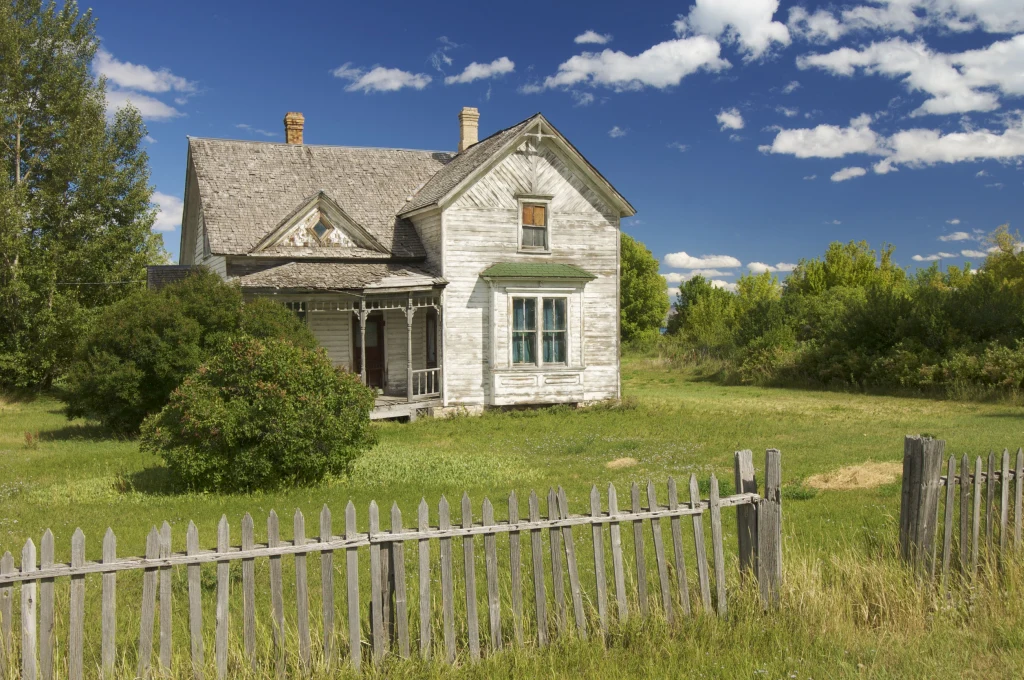
Inherited homes are often in poor condition, especially if the previous owner was elderly or dealing with long-term health challenges. By the time the property passes to its heirs, it may need major repairs just to become habitable.
Restoring a neglected home can be costly, sometimes reaching tens or even hundreds of thousands of dollars. During that time, you’re still on the hook for ongoing costs like property taxes, insurance, and utilities—even if you’re not living in the home.
Because of this, many inheritors opt to sell the property As-Is to a reputable cash buyer. These buyers purchase homes in any condition, saving you from the stress and expense of repairs, cleaning, or staging. In some cases, if the home’s condition disqualifies it from traditional financing, a cash sale might be your only viable option.
Some cash buyers also offer cleanout services, which can be a huge help if the home is filled with years’ worth of belongings—or if hoarding has been an issue.

As mentioned earlier, most inherited properties in Nebraska must go through probate—a process that can be both lengthy and expensive. Fortunately, there are several legal tools available that can help property owners bypass probate and simplify the inheritance process for their loved ones. Here are a few commonly used strategies:
It’s important to remember that these probate-avoidance strategies must be set up while the original property owner is still alive. If you’re considering one of these arrangements, speaking with an experienced estate planning attorney or financial advisor can help ensure everything is legally sound and properly executed.
or call us at 855-659-3289
Searching and Processing Address