
Last Updated : August 28, 2025 by Cameron Smith
Inheriting a home can be emotionally and logistically overwhelming. Between the loss of a loved one and the pressure of new responsibilities, you may be facing complex legal forms, confusing financial choices, and unclear tax rules.
If you're feeling uncertain about where to begin, you're not alone. That’s why we put together this simple, step-by-step guide.
Below, you’ll learn how to navigate the process of selling inherited property in Delaware so you can move forward with clarity and confidence.

Inherited property encompasses any assets that are passed down to heirs or beneficiaries upon a person’s death. This can include everything from real estate, vehicles, and investment accounts to personal items like heirlooms, photos, and jewelry.
In Delaware, the majority of estates are required to go through probate, which is a court-managed process that ensures debts are paid, taxes are handled, and the deceased’s final wishes are honored.
If you're preparing to sell inherited property in Delaware, knowing the legal and financial steps ahead can reduce stress and help you navigate the process with confidence. Here's what you need to know.
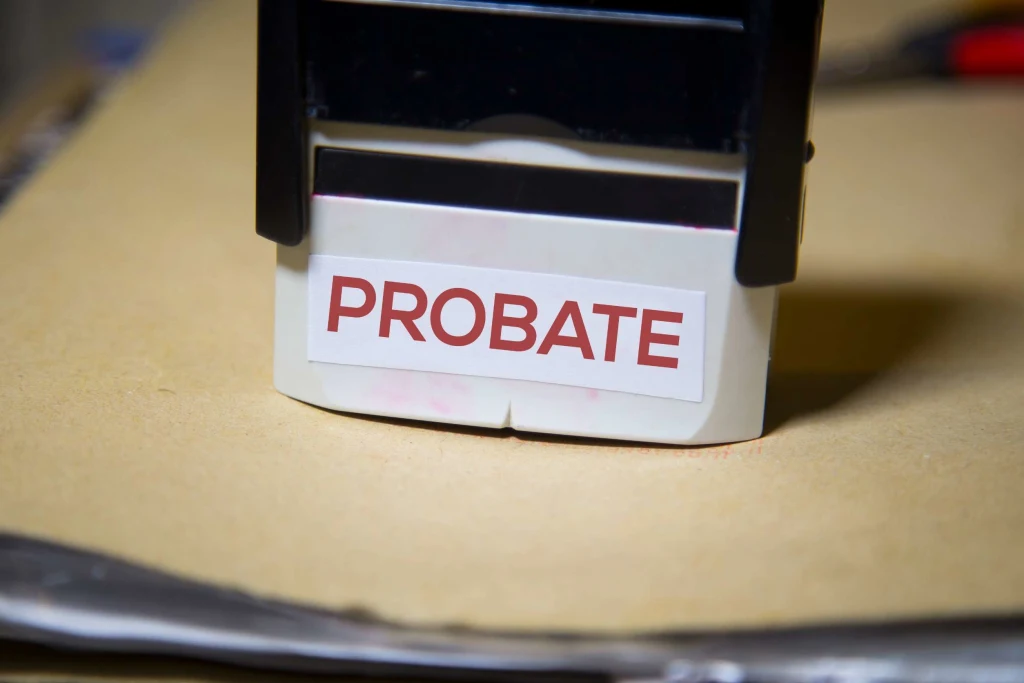
The first step in handling an inherited estate is to begin the probate process. This is done by filing a petition with the Register of Wills in the county where the deceased person resided. You'll also need to provide the original will (if there is one) and a certified copy of the death certificate.
Once the necessary paperwork is submitted, the court will officially name a personal representative (sometimes referred to as an executor or administrator) to oversee the settlement of the estate. Their responsibilities include identifying and assigning value to assets, paying off any remaining debts, and making sure the remaining property is passed on to the appropriate beneficiaries.
In Delaware, there are two primary types of probate:
The probate process in Delaware can last up to a year or more, depending on the estate’s complexity and whether any disputes occur. Staying organized throughout the process is key to keeping things on track.

Once the probate process begins, the next step is to establish the value of the inherited property. This typically involves bringing in a licensed appraiser to perform a detailed and impartial assessment of the home.
A professional appraisal provides an accurate snapshot of the property’s current market worth, which is essential for deciding your next move. It also helps clarify any possible tax responsibilities tied to the inheritance, which we’ll explore in more detail later in this guide.
After the appraisal is complete, the next step is preparing the home for the market. This usually means clearing out personal items, doing a thorough cleaning, and considering whether any repairs or updates might boost the home’s appeal to buyers.
Keep in mind, however, that while strategic improvements can help attract more interest and even increase the final sale price, it’s important to balance those potential gains against the upfront investment. As the new owner, you’ll be responsible for covering any renovation costs, along with ongoing expenses like the mortgage, utilities, insurance, and property taxes until the home sells.
According to Delaware law, inherited property cannot be sold until the legal title has been officially transferred to the new owner’s name. This transfer of ownership typically takes place during the probate process and must be completed before the property can be listed for sale.

Inherited properties can occasionally come with unexpected financial or legal complications, such as delinquent property taxes, outstanding mortgages, or liens on the title. These issues must be resolved before you can proceed with the sale. To identify any problems early on, it’s wise to request a title search through the county clerk’s office where the property is located.
In Delaware, sellers of residential real estate are required by law to disclose, in writing, any material defects with the home. This is typically done through a Seller’s Disclosure of Real Property Condition Report, which both buyer and seller are required to sign.
The International Association of Certified Home Inspectors defines a material defect as "a specific issue with a system or component of a residential property that may have a significant, adverse impact on the value of the property or that poses an unreasonable risk to people."
Some of the potential issues that must be disclosed include:
Failure to comply with disclosure requirements could result in potential legal action, so it’s important to do your due diligence and be honest about what you know.



To keep the selling process moving smoothly and avoid unexpected delays, it’s a good idea to gather all necessary paperwork early on. Staying organized from the beginning can make the experience less stressful and help you navigate each phase of the sale with confidence.
Below is a checklist of key documents you’ll need when selling inherited property in Delaware:
Valid Photo Identification
Proof of Inheritance
Certified Death Certificate
Title and Ownership Records
Property Tax Documentation

When you’re ready to sell inherited property in Delaware, you have several options to choose from. Each comes with its own advantages and potential drawbacks, so the best path forward will ultimately depend on your timeline, financial priorities, and how involved you want to be in the selling process.
Here are the three most common ways to sell an inherited home in Delaware:
Choosing to sell the property yourself without a real estate agent can save on commission fees, but it also means taking full responsibility for every step of the transaction.
Pros:
Cons:
Hiring an experienced local agent can simplify the process, especially if you’re not familiar with Delaware’s real estate market or the unique aspects of selling an inherited home.
Pros:
Cons:
If your priority is a quick sale with minimal effort, selling to a cash buyer could be the easiest route—just be sure to carefully vet any offers.
Pros:
Cons:
Selling inherited property in Delaware may not be as simple as you may hope, particularly if you are facing one or more of the following scenarios.

When a property is inherited by multiple heirs, the selling process can quickly become more complicated—both emotionally and practically. Tensions may arise if one heir refuses to sign necessary probate paperwork, objects to the sale, or allows personal disagreements to influence decisions.
Even if everyone agrees in principle to sell, differing views on pricing, timing, or how to market the home can lead to delays and additional complications. When communication breaks down or progress stalls, bringing in a neutral third party can help move things forward.
Mediation provides a confidential, guided environment where families can address conflicts with the support of a trained facilitator. It’s often a more respectful and cost-effective solution than pursuing legal action.
For the best outcome, look for a mediator with experience in estate or inheritance matters, who understands both the emotional and legal aspects of selling shared property.

In Delaware, you can’t legally sell a home until the property title is completely free of issues. Unfortunately, clearing the title isn’t always simple. That’s because inherited homes often come with hidden problems such as unpaid property taxes, existing liens, or unresolved legal claims, all of which can delay or even derail the sale.
If you’re uncertain about the title status or suspect there may be complications, consulting a real estate attorney is a smart move. An experienced attorney can identify and address potential title issues early, ensure all legal documents are in order, and help you navigate the process with fewer roadblocks.

Inherited homes are rarely move-in ready—especially if the previous owner struggled with health issues, limited finances, or age-related challenges that made routine maintenance difficult. By the time the property passes to heirs, it may require significant repairs or renovations just to be livable.
Fixing up a neglected home can come with a hefty price tag, often reaching tens of thousands, or even more. And during the renovation period, the new owner is still responsible for ongoing costs like property taxes, insurance, and utility bills, even if the home remains vacant.
Because of these financial strains, many heirs opt to sell the property As-Is to a reputable cash buyer. These buyers specialize in purchasing homes in any condition, eliminating the need for repairs, cleaning, or staging. In cases where the property wouldn’t qualify for a conventional loan, a cash sale may not only be the simplest solution, but the only viable one.
Some cash buyers even offer cleanout services, which can be a major relief when facing cluttered spaces, hoarded items, or decades of accumulated belongings.

As mentioned earlier, most inherited real estate in Delaware is subject to probate—a court-supervised process that can be time-consuming and costly. Fortunately, there are proactive estate planning tools that can help bypass probate entirely, making the transfer of property faster and less stressful for your loved ones during an already emotional period.
Here are three common strategies to help inherited property avoid probate:
Keep in mind that all of these strategies must be arranged while the original owner is still living. If you’re considering how best to manage or pass on property, it’s wise to consult with an experienced estate planning attorney or financial advisor to ensure everything is set up correctly and in accordance with state law.
or call us at 855-659-3289
Searching and Processing Address