Last Updated : November 19, 2025 by Cameron Smith

Thinking about selling your New Jersey home without working with a realtor? You’re in good company. A growing number of NJ homeowners are choosing the For Sale by Owner (FSBO) approach to stay in control of the process and avoid paying thousands in commission fees.

That said, going the FSBO route isn’t without its challenges. From determining the right listing price and gathering the required disclosures to marketing your home and navigating negotiations, there’s a lot to manage on your own.

In this detailed guide, we’ll break down everything you need to know for how to sell a house without a realtor in New Jersey. You’ll discover what each step involves, how to sidestep common mistakes, and helpful strategies to ensure a smooth, efficient, and stress-free sale.

Step 1: Weigh the Pros and Cons of Selling Without a Realtor in New Jersey

Before jumping in, it’s important to consider the pros and cons of selling on your own. Like any significant financial move, doing a bit of homework upfront can help you decide whether the FSBO approach genuinely aligns with your needs.

Think about what you want from the sale, how quickly you hope to close, and how comfortable you are taking on responsibilities like pricing, marketing, showings, and paperwork.
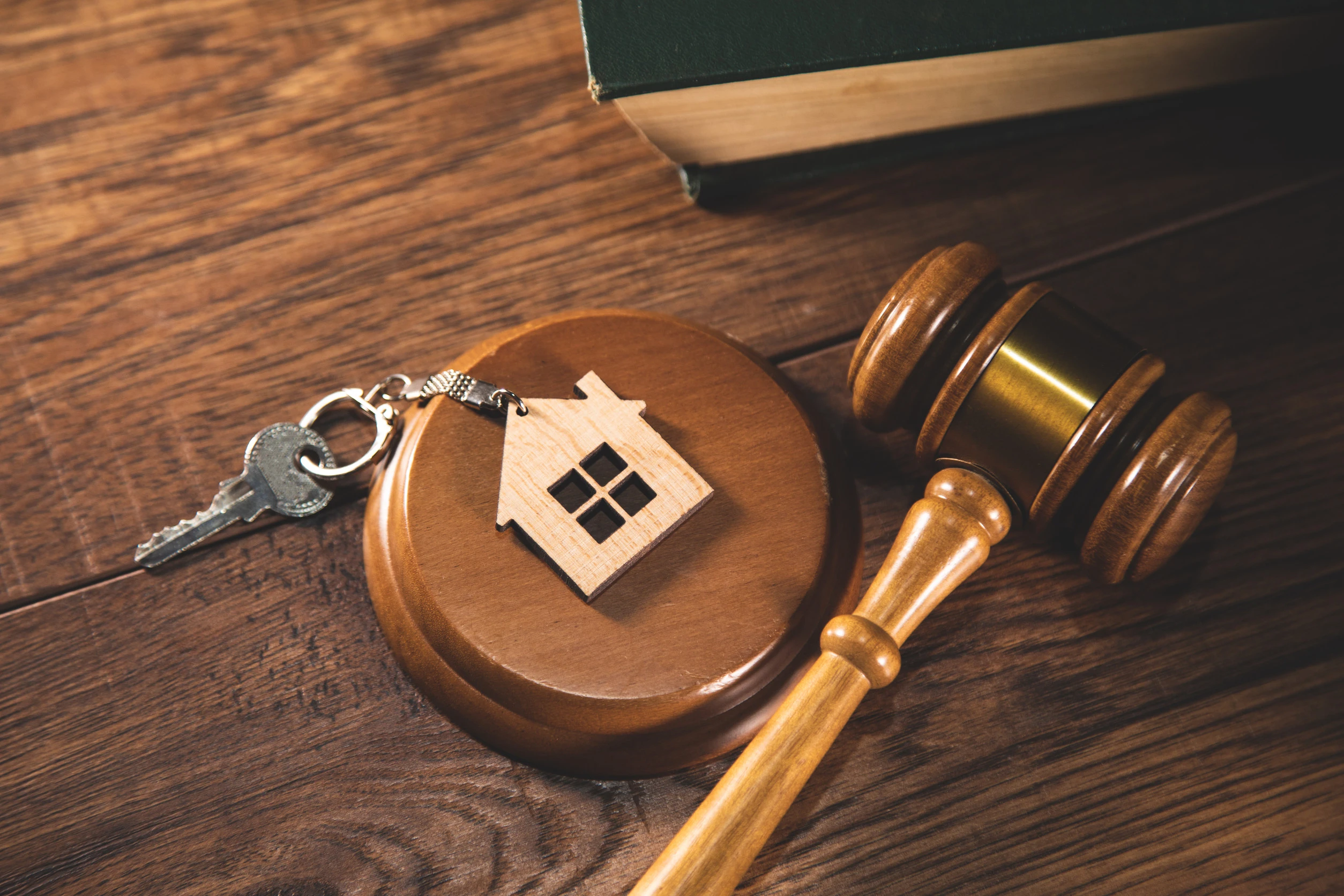
Legal Risks of FSBO in New Jersey

Legal Risks of FSBO in New Jersey

When selling a home without a realtor, you’re responsible for completing all required state and federal disclosures.

In New Jersey, most sellers provide buyers with the Seller’s Property Condition Disclosure Statement, which outlines any known defects or issues with the property. While this form is not legally required, failing to disclose known defects could expose you to legal liability.

If your home was built before 1978, federal law also requires a Lead-Based Paint Disclosure along with the EPA’s safety pamphlet “Protect Your Family from Lead in Your Home.”

For properties located within a homeowners’ association (HOA) or condominium community, sellers should provide the association’s resale materials, including bylaws, rules, fees, budgets, financial statements, and other pertinent information that buyers typically expect to review.

Finally, while New Jersey does not require a termite inspection by state law, most lenders do, especially for FHA, VA, and USDA loans.

Pros and Cons of FSBO

Pros

  • No commission fees: Selling your home on your own allows you to keep the 5-6% you would typically pay in commissions.
  • Full control: You decide the price, choose how to market the property, manage showings, and negotiate directly with buyers.
  • Direct communication: Talking with buyers one-on-one can simplify conversations, speed up decision-making, and build trust.

Cons

  • More responsibility: Every step—from pricing and marketing to reviewing offers and completing paperwork—falls on your shoulders.
  • Higher chance of mistakes: Without professional guidance, there’s a greater risk of overlooking required forms, deadlines, or legal obligations.
  • Less exposure: Without a Multiple Listing Service (MLS), your home may not reach as many qualified and actively searching buyers.
  • Potentially lower sale price: Data from the National Association of Realtors shows that FSBO homes often sell for less than similar properties listed with an agent.

Pros and Cons of FSBO

Step 2: Choose the Best Method

If taking on the entire selling process yourself feels like too much, there are some options that allow you to stay in control while still getting professional help where you need it.

  • Flat-Fee MLS Services: For a single upfront fee, you can have your property listed on a New Jersey MLS by a flat-fee brokerage. This puts your home in front of buyers on major real estate sites without requiring you to pay full agent commissions.
  • Low-Commission or Discount Agents: These agents provide select services for a reduced rate, often just 1-2% of the sale price. It’s a great middle ground if you want expert guidance without entering a traditional full-service listing agreement.
  • Cash Home Buyers: Some New Jersey cash home buyers purchase properties As-Is, allowing you to avoid repairs, showings, and financing contingencies. Many are also able to offer flexible timelines and can close in as little as seven days.

Alternatives to FSBO

Step 3: Prepare the Property for Sale 

Once you’ve made the decision to sell your home without an agent, your next priority is preparing the property for the market. Begin by performing a deep clean, removing clutter, and addressing any repairs or maintenance issues that might raise red flags for buyers.

Curb appeal carries a lot of weight in NJ. Keep the yard tidy, update your landscaping, and ensure the front porch, walkway, and entryway look clean and inviting. A polished exterior creates a strong first impression and sets expectations for the rest of the home.

When staging, aim for a warm and welcoming environment that highlights your home’s best features. The goal is to help potential buyers imagine themselves living there from the moment they step inside.

Home Selling Tips with New Jersey Buyers in Mind

Home Selling Tips with New Jersey Buyers in Mind

New Jersey homebuyers tend to value different features depending on the region. In North Jersey, many buyers prioritize quick access to New York City, walkable downtown areas, NJ Transit stations, and proximity to major employment hubs.

In Central Jersey, buyers often look for well-rated school districts, suburban neighborhoods, convenient shopping, and easy access for commuting. Meanwhile, South Jersey buyers tend to prefer larger properties, quieter communities, and convenient access to Philadelphia or the Jersey Shore.

If your home offers any of these sought-after features, be sure to highlight them in your listing and marketing materials.

Step 4: How to Accurately Price Your Home Without a Realtor 

Next comes one of the most critical and often most challenging steps in selling your home without an agent: setting the right price. Finding that perfect number requires research, strategy, and a solid grasp of what’s happening in your local market.

By using the right tools and staying informed about New Jersey’s current housing trends, you can confidently choose a price that attracts qualified buyers while still aligning with your financial goals.

Here’s where to begin:

Research Comps (Comparable Sales)

real estate comps

Start by reviewing recent sales of homes that are similar to yours. These “comparables,” or “comps,” are properties that closely match your home in size, age, condition, and overall style. You can gather this information from reputable real estate sites such as Zillow, Redfin, Trulia, Realtor.com, and Homes.com.

To make your research as accurate and useful as possible, keep these tips in mind:

  • Look at recent sales: Focus on homes that sold within the last 3–6 months and are located within about a one-mile radius.
  • Compare key features: Examine square footage, lot size, number of bedrooms and bathrooms, and the property’s overall condition.
  • Check price per square foot: This metric is especially helpful in planned communities or areas where homes have similar layouts and finishes.
  • Be strategic with pricing: A price like $399,900 may attract more buyers than $405,000 because it falls under a common search threshold.

Keep in mind that market conditions vary across the state. A property in Hoboken or Jersey City, for instance, may sell for more than a comparable home in Toms River or Vineland, simply because buyer demand and priorities differ by region. Understanding your local market dynamics is essential for setting a price that is both competitive and realistic.

Assess Your Home’s Condition

assess your home's condition for FSBO

Next, take a realistic assessment of your home’s current condition. Upgrades such as a renovated kitchen, a newer roof, or an energy-efficient HVAC system can boost your home’s value and make it more attractive to buyers. Conversely, noticeable wear, outdated finishes, or neglected repairs can reduce what buyers are willing to pay.

Do your best to evaluate your home objectively. Rely on market data and comparable sales, not sentimental value, to determine its worth. A well-supported, accurate price will appeal to serious buyers and help your home sell faster.

Get to Know Market Conditions

New Jersey real estate market conditions

Now, take a moment to look at the broader housing trends in your area. If homes are selling quickly and there aren’t many listings available, you’re likely in a seller’s market, where demand is high, prices tend to rise, and sellers have the upper hand during negotiations.

Alternatively, if properties are lingering on the market and sellers are reducing prices to spark interest, you’re probably in a buyer’s market. In that environment, buyers have more choices and stronger negotiating power, making it essential to price your home competitively.

FSBO Pricing Pro Tips


  • Consider getting a professional appraisal: Hiring a licensed appraiser can give you a precise, unbiased assessment of your home’s value.
  • Use smart pricing strategies: Setting your price slightly below comparable homes in your area can boost visibility and help attract more offers.
  • Be adaptable: Pay attention to showing activity and buyer feedback. If interest dips or traffic slows, a modest price adjustment may help re-energize your listing.
  • Keep alternatives in mind: If your property requires major repairs or updates, selling As-Is to a cash buyer may streamline the process and help you avoid costly improvements.

Step 5: Get Your Legal Documents in Order 

Selling your home without a realtor means making sure every document is complete, accurate, and compliant with both state and federal laws. Even one missing or incorrect form can delay closing or create legal issues, so it’s important to have everything in order.

Here are the key documents most FSBO sellers in NJ should prepare:

  • Seller’s Property Condition Disclosure Statement: While not mandated by law, this form is often required by MLS systems and can help protect you from potential legal issues down the road.
  • Lead-Based Paint Disclosure: Required for all homes built before 1978, along with the EPA’s “Protect Your Family from Lead in Your Home” pamphlet.
  • Agreement of Sale: The standard contract used for residential home sales in the state.
  • Title commitment: Prepared by the closing attorney’s title agent, this document outlines ownership history, existing liens, easements, and other important info.
  • HOA or Condo Documents (if applicable): This may include association bylaws, rules, fees, budgets, financial statements, and any resale documents the HOA or condo board provides to prospective buyers.
  • Deed and payoff statements: The closing attorney typically prepares the new deed and handles mortgage or lien payoffs to ensure a clean transfer of ownership.
  • NPMA-33 Wood Destroying Insect Inspection Report: Many lenders require a termite inspection completed by a certified pest inspector.

Step 6: Market Your Home to Buyers 

Market your FSBO home to buyers

Now that your home is priced right, prepped for showings, and your documents are ready, it’s time to get your listing in front of as many qualified buyers as possible. Strong marketing can significantly increase interest and help you attract serious offers.

Here are several ways to boost visibility:

  • List on major real estate platforms: Add your property to popular sites like Zillow, Houzeo, FSBO, and ForSaleByOwner.
  • Promote locally: Share your listing on Facebook Marketplace, Craigslist, Nextdoor, neighborhood bulletin boards, and local Facebook groups.
  • Use flat-fee MLS services: Gain wider exposure by listing through New Jersey’s regional MLS networks without paying full commission.
  • Incorporate traditional marketing: Yard signs, printed flyers, and word-of-mouth recommendations from friends and neighbors can still draw in buyers.
  • Consider cash buyers: If your home needs repairs or you’re facing a tight timeline, selling As-Is to a reputable New Jersey cash home buyer may offer a quick and hassle-free solution.

And remember—your online listing often serves as a buyer’s first impression. High-quality photos and a compelling, well-written description can make your home stand out and generate more interest.

Step 7: Schedule Showings and Open Houses 

FSBO showings and open house tips

Once your home is officially on the market, you’ll likely begin receiving inquiries from prospective buyers. As a FSBO seller, it’s up to you to schedule and manage all showings and open houses, so planning ahead and being prepared are essential.

Tips for Showings

  • Stay organized: Use a calendar or scheduling app to keep track of appointments and avoid double-booking.
  • Be accommodating: Buyers and their agents may ask for last-minute viewings. A little flexibility can help you attract stronger offers.
  • Highlight your home’s best features: Whenever possible, schedule showings during daylight hours to take advantage of natural light and boost curb appeal.
  • Offer take-home information: Prepare simple flyers or property sheets that list key details, recent improvements, and your contact information.
  • Give buyers space: Allow visitors to walk through the home at their own pace, but remain available to answer questions or showcase important features.
  • Follow up quickly: Respond to inquiries and feedback as soon as you can to maintain interest and keep the momentum going.

Tips for Open Houses

  • Pick the ideal time: Schedule your open house on a weekend, especially when other homes in the neighborhood are also hosting showings.
  • Advertise widely: Promote your event using yard signs, printed flyers, social media posts, local Facebook groups, and community forums to reach a broad audience.
  • Provide take-home info: Create a simple one-page flyer showcasing your home’s top features, recent improvements, and nearby amenities like parks, schools, and shopping centers.
  • Stay friendly and relaxed: Welcome visitors warmly, answer their questions, and let them tour the home without feeling rushed or pressured.
  • Collect contact information: Use a sign-in sheet to gather names, phone numbers, and email addresses so you can follow up with interested buyers afterward.
  • Enlist help: Having a friend or family member on hand can make it easier to greet guests, share information, and keep the event organized.

Safety Tips for Showings and Open Houses

FSBO safety tips

Because you’ll be handling all showings and open houses on your own, it’s important to make safety a priority. Taking a few basic precautions can help protect you, your property, and your valuables while still creating a welcoming and professional experience.
Smart Safety Tips for FSBO Sellers


  • Avoid hosting alone: Ask a friend, family member, or trusted neighbor to be present during showings and open houses.
  • Protect your valuables: Put away jewelry, electronics, medications, cash, and any sensitive documents so they’re out of sight and secure.
  • Schedule by appointment: Decline unexpected visitors. Confirm showings in advance so you know who to expect and can prepare safely.
  • Stay aware: Keep your phone within reach, pay attention to your surroundings, and avoid being isolated with strangers in closed-off areas of the home.
  • Set boundaries: If someone lingers past their allotted time, politely let them know that the showing has ended.

Step 8: Vet Buyers and Negotiate Offers

FSBO vet buyers and negotiate offers

As offers begin to come in, review each one carefully and start the negotiation process. For financed buyers, request a mortgage pre-approval letter to confirm they are qualified. For cash buyers, always ask for proof of funds before moving forward.

Pro Tip: Don’t focus solely on the purchase price. Pay close attention to the full set of terms, including the proposed closing date, contingencies, financing details, and any special conditions. The best offer isn’t always the highest. It’s the one that aligns most closely with your goals, timing, and comfort level.

Once you’ve narrowed down your strongest offers, decide whether to accept, counter, or continue negotiating. An up-to-date appraisal and a solid grasp of current market trends can help you approach this stage with clarity and confidence.

Counteroffer and Negotiation Tips

FSBO negotiation tips

  • Back up your counteroffer. Use recent comparable sales, a professional appraisal, or a documented list of upgrades to justify your price and strengthen your negotiating position.
  • Remain adaptable. If talks stall, consider offering small incentives, such as covering part of the buyer’s closing costs or adjusting the closing date, to help move the deal forward.
  • Set firm deadlines. Add expiration dates to your counteroffers to avoid drawn-out negotiations and keep the process on track.
  • Clarify contingencies. Review inspection, repair, and financing terms carefully. Be fair, but avoid agreeing to anything that would significantly cut into your net proceeds.
  • Document everything. As a FSBO seller, ensure every agreement, amendment, and disclosure is clearly written, complete, and properly signed.
  • Know when to walk away. If a buyer’s demands become unreasonable or no longer align with your goals, you may want to consider selling As-Is to a reputable New Jersey cash buyer for a quicker, simpler closing.

Step 9: Move Forward with the Sale

Once you’ve accepted an offer and finalized the terms, the next step is work toward closing. In New Jersey, these transactions are overseen by a licensed real estate attorney, who manages the legal and administrative details from start to finish.

During this phase, you and the buyer will work together to complete any required inspections, appraisals, and lender-related steps. After all documents are signed, the closing attorney will record the deed and distribute funds according to the settlement statement, officially transferring ownership of the property.

FSBO timeline

Step 10: Coordinate the Closing 

In New Jersey, an attorney generally oversees the entire closing process for both the buyer and the seller, making sure all legal and financial obligations are met before the sale is finalized.

Work with the buyer and the attorney’s office to choose a suitable closing date and confirm any outstanding details. To avoid delays, have all required documents and disclosures prepared and ready to go ahead of time.

Closing Process: What to Expect

FSBO closing process what to expect

In NJ, sellers typically cover a variety of closing costs, which may include the Realty Transfer Fee (RTF), deed recording fees, attorney fees, title preparation costs, prorated property taxes, any unpaid water/sewer charges or lien payoffs, HOA or condo fees (if applicable), courier or wire fees, and any seller concessions agreed to in the contract.

New Jersey’s RTF applies to most residential real estate transactions. The fee is graduated, meaning the amount increases as the home’s sale price rises, and may range from a few thousand dollars to well over $10,000 for higher-priced properties.

Title insurance premiums, recording charges, and prorated taxes or association dues typically make up the rest of the seller’s closing expenses. Optional or contract-required items, such as a property survey or an NPMA-33 wood-destroying insect inspection, may also appear on the settlement statement.

New Jersey municipalities generally do not impose additional local transfer taxes, with the exception of Mansfield Township in Warren County, which charges a small local fee.

Avoiding Common FSBO Mistakes in New Jersey

common FSBO mistakes

Even experienced FSBO sellers can make costly mistakes without realizing it. Here are some of the most common pitfalls and how to avoid them:

  • Skipping required disclosures: Leaving out necessary forms or failing to disclose known issues can delay your sale or expose you to legal liability.
  • Overpricing in competitive markets: Listing your home too high can discourage serious buyers and cause your property to sit on the market longer than expected.
  • Overlooking property risks: Failing to address common issues such as flood zone requirements, underground oil tanks, radon test results, septic system certifications, or HOA/condo restrictions can derail a deal late in the process.
  • Forgetting about closing costs and taxes: Not budgeting for expenses such as prorated property taxes, attorney fees, and title-related costs can lead to last-minute financial surprises.
  • Limiting your marketing reach: Relying solely on sites like Zillow or Craigslist restricts visibility. Listing your home on an MLS greatly increases exposure and attracts more qualified buyers.
  • Failing to verify buyer qualifications: Always request a pre-approval letter from financed buyers and proof of funds from cash buyers before accepting any offer. No exceptions.

Taking the time to stay organized, understand local requirements, and properly address these issues can help you avoid setbacks, protect your profits, and keep your sale running smoothly from start to finish.

When to Consider Selling to a Cash Home Buyer

when to sell to a cash home buyer

While selling FSBO gives you complete control over pricing and negotiations, there are situations where choosing a cash buyer can offer a faster, easier, and more practical alternative.

A cash sale might be the right option if:

  • Your home needs major repairs or updates
  • You’re dealing with financial challenges or the possibility of foreclosure
  • You need to relocate quickly due to a job change, divorce, or another life event
  • You’ve inherited a property you don’t want or can’t manage from out of state
  • You’d prefer to skip showings, inspections, and financing-related delays

When working with a reputable New Jersey cash home buyer, you can typically expect:

  • A fair, no-obligation cash offer based on current market conditions
  • Zero agent commissions or surprise fees
  • No repairs, upgrades, or inspections required
  • No open houses or buyer walkthroughs to coordinate
  • No appraisal or lender approval delays
  • Streamlined paperwork handled by a local real estate attorney
  • The ability to sell your home completely As-Is
  • Minimal or no closing costs
  • A fast, hassle-free closing — sometimes in as little as seven days

Is FSBO Right for You? 

If you’re confident managing pricing, marketing, and negotiations on your own, selling your New Jersey home without a realtor can be a great way to avoid commission costs and maintain control. But if the process becomes too demanding, working with a reliable cash home buyer can offer a faster, simpler, and far less stressful alternative.

In the end, whether you decide to sell FSBO, accept a cash offer, or explore another selling strategy, the right choice is the one that aligns with your goals, your timeline, and your peace of mind.

FSBO Checklist

Searching and Processing Address