
Last Updated : August 15, 2025 by Cameron Smith
Selling a home can be a complicated enough process in and of itself. When that property happens to have been inherited, there are multiple other factors to consider. The key is knowing what to expect and being able to properly plan for what’s to come.
The purpose of this guide is to demystify the process of selling inherited property in New Jersey and make the experience as straightforward and hassle-free as possible.

The term ‘inherited property’ refers to any property that is passed on from a deceased person to their heirs or beneficiaries. This may include anything from personal belongings that are sentimental in nature to items of value, such as bank accounts, jewelry, vehicles, and homes.
The inheritance process in New Jersey typically involves a legal proceeding known as probate, through which the decedent’s assets are valued, all outstanding debts are settled, and anything remaining is distributed accordingly.
Before selling an inherited home in New Jersey, you’ll want to familiarize yourself with what steps to take, when you should take them, and in what order. Let’s explore these things in greater detail below.
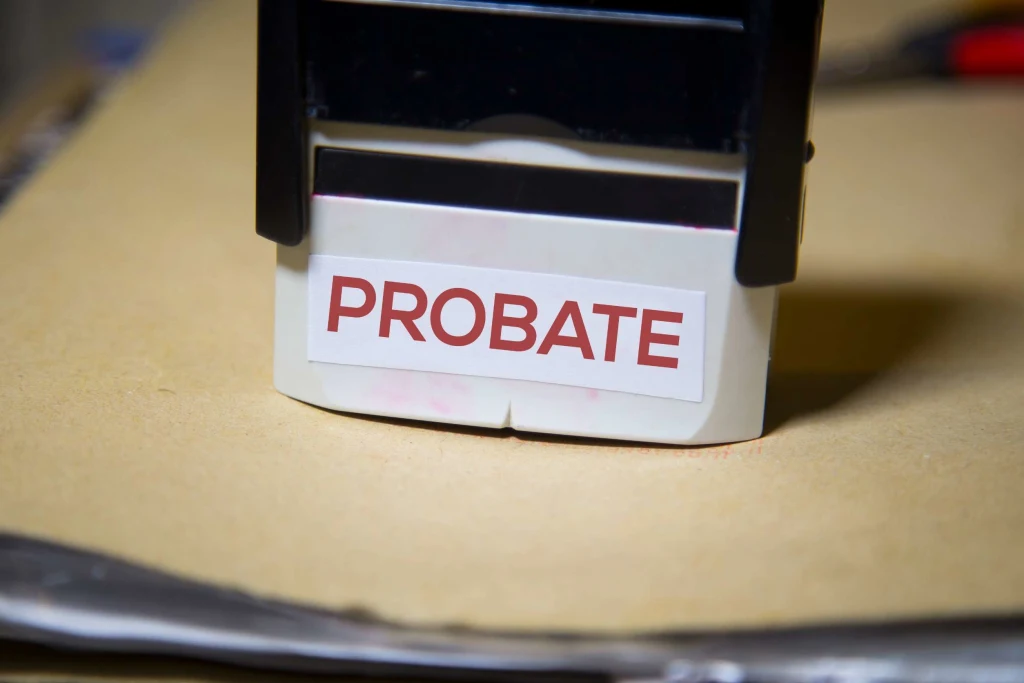
The first step for selling inherited property in New Jersey is to start the probate process. This is done by filing a petition, along with the will (if one exists) and death certificate, with the Surrogate’s Court in the decedent’s county of residence. Once the court has confirmed, probate proceedings will officially begin.
In New Jersey, the average probate case takes around a year, but could last longer, depending on the complexity of the estate and other factors. During this time, it is imperative that you stay as organized as possible. Doing so will improve your chances of a smooth and seamless process.

Once you’ve initiated probate, you’ll want to get the ball rolling with a property assessment. This helps to determine how much the home is worth so you’ll know how much to list it for. It also establishes the property’s tax basis, which will come into play once you officially sell it. The property appraisal should be completed by an experienced professional.
Next, you’ll need to start preparing the property for sale. If the home is in good shape, you may not need to do much. If it needs repairs or could use some renovations, you’ll need to decide whether you want to pay for those updates out of pocket, or if it would make more sense to simply find a buyer who is willing to purchase the home As-Is. When it comes to inherited property, the latter is usually the most favorable option.
As with most states, you cannot sell an inherited home in New Jersey until its title has officially been transferred into the name of its rightful new owner. This critical step is typically handled during the probate process.

Often times when a home is passed on to an heir or beneficiary, it still has some outstanding obligations associated with it. This most commonly includes mortgages and liens. Before you can sell a home you’ve inherited in New Jersey, you will need to make sure these things are settled. You may need to contact the mortgage lender for a payoff amount and check with the county clerk to determine if any tax liens or other encumbrances exist.
In New Jersey, it is required by law that all sellers of real estate must complete a Property Condition Disclosure Statement to reveal any known conditions that may materially affect the value of the home.
Specifically, sellers must disclose any and all material defects, including:
Failure to comply with this requirement could result in serious and costly legal repercussions.

Additional rates apply for other classes of beneficiary.

You’ll need the following documentation to sell a property in the state of NJ:

When it comes to selling inherited property in New Jersey, you have several options. The three most common include:
First, you have the option to sell the property on your own, without the assistance of a real estate professional. There are some advantages and disadvantages to this option.
Pros:
Cons:
Another option is to work with a local real estate agent. Of course, this option also comes with its own set of pros and cons.
Pros:
Cons:
The third option is to sell to an investor who is willing to purchase the property for a lump-sum cash payment. Here are a few benefits and drawbacks to this option:
Pros:
Cons:
Unfortunately, selling inherited property in NJ isn’t always as simple or straightforward as one would prefer—especially if one of the following scenarios occurs.

The inheritance process is complicated enough, but adding multiple heirs or beneficiaries can make it even more challenging. Disputes often arise when one or more co-owners refuse to sign probate documents or are unwilling to sell.
Even if everyone agrees that selling is the best option, deciding when and how to proceed can create additional complications and lead to further disagreements.
If you and your co-heirs find yourselves at a standstill and want to avoid court (which we highly recommend), working with a mediator who is experienced in inheritance disputes may be the best way to move forward.

As noted above, inherited property cannot be legally sold in the state of New Jersey without a clean title. It’s common for inherited homes to have liens or unpaid taxes, which can complicate the transfer process.
If you’re facing a particularly complex situation or are unsure of the next steps, a knowledgeable real estate attorney can provide the guidance you need.

Inherited homes are often in significant disrepair by the time they are transferred to a new owner. This can occur for a variety reasons, such as the previous owner being elderly or physically unable to keep up with property maintenance.
Restoring a home like this to marketable condition can be costly, often reaching thousands or even tens of thousands of dollars. As the new owner, you would be responsible for these expenses, along with ongoing costs like utilities, property taxes, and general upkeep.
In such cases, selling to a cash buyer can be the most practical solution. If the home is in particularly poor condition, selling it As-Is to a real estate investor may be your best—or even only—option, as many banks won’t approve mortgages for severely damaged properties.
Selling to a cash buyer allows you to walk away without the burden of repairs or cleanup. Some investors even handle the contents left inside, which can be a huge relief, especially in hoarding situations. This approach can save you time, money, and stress.

In the state of New Jersey, most inheritances are required to go through probate, which can be a time-consuming and expensive process. Thankfully, there are a few ways to avoid this:
If you are in the process of planning your estate and are seeking ways to help your heirs bypass the probate process, we recommend consulting with an experienced estate attorney and/or a qualified financial advisor to receive specific guidance.
or call us at 855-659-3289
Searching and Processing Address