
Last Updated : December 5, 2025 by Cameron Smith
Selling a house is already complicated. When there's a lien attached to the property, the process becomes even more of a challenge.
A lien can create significant hurdles in the selling process. But don't worry! Selling a house with a lien doesn't have to be overwhelming. Let us walk you through how to sell a house with a lien on it the easy way, ensuring a smooth transaction from start to finish.
A lien is a creditor's legal claim on your property to secure debt repayment. Liens can be voluntary, like mortgages, or involuntary, like tax liens. They stay attached to the property until the debt is paid. So, it’s crucial to address or remove them before selling.
To manage the process smoothly, it’s important to understand the different liens that might affect your home sale. Here are some of the most common liens you might encounter.
A mortgage lien is the most common variety of voluntary liens. The lien is typically cleared by paying off the mortgage during the sale of the property.
This is another voluntary lien placed on your property when you take out a line of credit against your home's equity. Like a mortgage lien, it must be paid off before the property can be transferred.
A tax lien is placed by the government when you have unpaid taxes. These tax liens must be resolved before the property can be transferred.
A judgment lien arises from a court ruling against the property owner in a lawsuit. Judgment liens are involuntary and must be addressed before a property can be transferred.
If you don’t pay a contractor, they can file a mechanic’s lien. This lien must be cleared to transfer the property title. A mechanic's lien should be settled to ensure a clear title during the property transfer.
It may surprise you to learn that your HOA can put a lien on your home if you fail to pay your dues or assessments. Typically, you'll have to remove your HOA lien before you try to sell.

Yes, you can sell a house with a lien, or even transfer your property with a lien, but it's important to know your options to ensure a smooth sale. Here’s how you can do it.
The first step in selling a house with a lien is to identify and fully understand the lien. Obtain a title report by doing a title search to determine the exact nature of the lien, the amount owed, and any other details that could affect the sale.
If paying off the lien in full isn't feasible, consider negotiating a reduced payoff amount with the creditor. Creditors are usually willing to negotiate. This is especially true if they believe the sale might not go through otherwise.
In some cases, you may be able to include the lien in the sale agreement, where the buyer agrees to pay off the lien as part of the purchase price. This option is less common and typically requires a buyer with the financial means to settle the lien.
If the lien is complex or if you're unsure of how to proceed, it's wise to consult with a real estate attorney. A real estate attorney helps you manage legal issues, negotiate with creditors, and help to make sure everything is handled correctly.
Cash buyers, like House Buyers of America, are used to dealing with complicated home sales and will pay off the lien as part of the buying process.
[vault_tool slug="agent-vs-cash"]Selling a house with a lien yourself can be daunting, but it doesn’t have to be. If you’re worried about this process, consider selling your house faster by working with a cash buyer instead.
Cash buyers often understand the intricacies of liens. They’re used to understanding how it impacts a property sale.
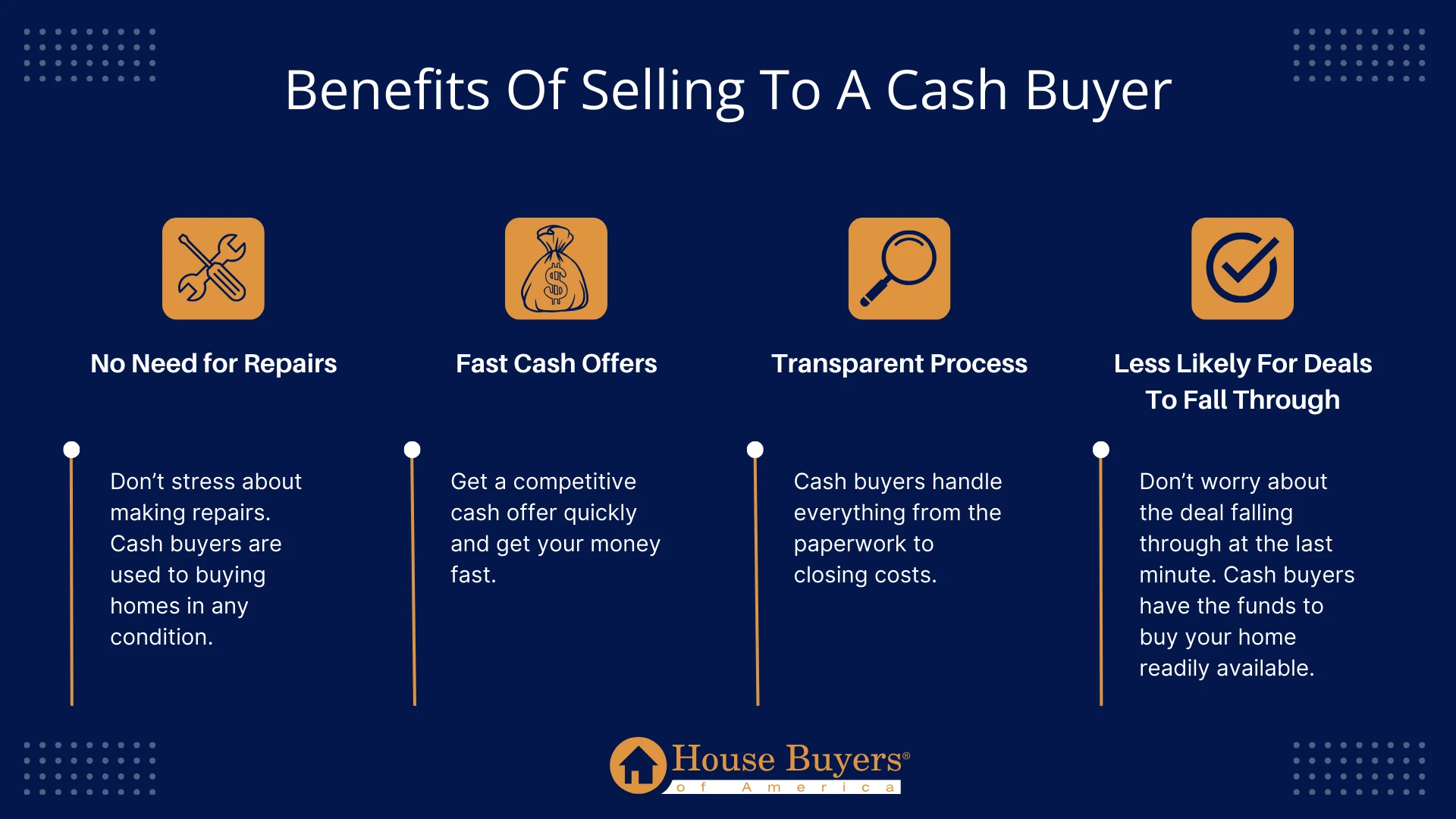
Don’t worry about making costly repairs or renovations before selling. Cash buyers buy houses in any condition, allowing you to sell quickly and move on.
When you work with a cash buyer, you can get a competitive cash offer and close deals in just a few days. This helps you avoid the lengthy traditional selling process without losing out on the money you deserve.
They handle all the paperwork and closing costs, ensuring a straightforward, hassle-free experience. All you have to do is reach out to them, get a cash offer, and get rid of your lien.
Cash buyers know what they’re getting into when buying a home with a lien on it. They don’t have to worry about being approved for financing. They have the capital available to buy your home.
Having a lien on your property does impact its market value. When a lien is attached to a home, it represents an unresolved debt or legal obligation. This financial burden often lowers the perceived value of the property. This is because the buyer is most likely factoring in the cost and hassle of clearing the lien themselves.
Unfortunately, traditional buyers who rely on mortgage financing are often deterred by homes with liens. Mortgage lenders typically require a clear title before approving a loan. So, if you have a lien on your home, you have to resolve it before someone who’s buying with a mortgage can buy it.
As a result, homes with liens might attract fewer buyers. This leads to a longer time on the market and possibly even forces the seller to accept a lower offer.

Selling a home with a lien does require some extra preparation for a smooth and successful transaction. Here are some practical tips to help you get your property ready for sale when you have a lien.
Start by gathering all lien-related documents. This includes the original lien notice, correspondence with the creditor, and payment records. Having these documents on hand will help you understand the specifics of the lien and assist in negotiations or legal consultations.
Before listing your home, obtain a title report to identify any existing liens or other encumbrances on the property. A title report will give you a clear picture of what needs to be resolved before the sale, allowing you to address any issues proactively.
Understanding your home’s value is crucial when dealing with liens. If your home is worth more than the liens against it, you’ll have an easier time selling. If not, you may need to negotiate with creditors or come up with additional funds.
Even with a lien, it’s essential to make your home as attractive as possible to potential buyers. Don't underestimate how making minor repairs or small improvements can help your property stand out.
Simple things like mowing the lawn, fixing your landscaping, or even adding a fresh coat of paint to the outside of your home can significantly improve its curb appeal.
Honesty is key when selling a home with a lien. Be upfront with potential buyers about the lien situation.
Transparency builds trust and can prevent last-minute surprises that might derail the sale. Clearly explain how you plan to resolve the lien, whether through the sale proceeds or other means.
Request payoff statements from all creditors who have liens against your property. This will give you an exact amount of what you owe and help you plan how to resolve the liens.
Given the legal complexities involved, it’s best to consult with a real estate attorney. An attorney can help guide you, negotiate with creditors, and meet all legal needs. This professional support can be invaluable in navigating the sale of a home with a lien.
Depending on the type of lien, you may want to try to negotiate a lower payoff amount. For example, if you owe HOA fees and they placed a lien on your home, reach out to them and see if you can settle before selling your home.
They may be inclined to take a lower amount, knowing you’re selling and leaving the neighborhood. Your leaving opens the home up for a new homeowner who will pay their HOA fees.
Yes, but not automatically. A credit card company must first sue you and obtain a court judgment. Once a judgment is entered, the creditor may be able to place a judgment lien on your property, depending on state law.
It can be more challenging, but it may still be possible. Some creditors are willing to negotiate a reduced payoff, especially if a sale is the only realistic way they’ll recover funds.
Some traditional buyers may hesitate, especially if they need mortgage financing. However, buyers familiar with lien situations, including cash buyers, may still be willing to move forward if the lien can be resolved at closing.
A title search or title report will reveal any existing liens. This is often the first step sellers take when preparing to sell a home with potential title issues.
or call us at 855-659-3289
Searching and Processing Address