Last Updated : April 13, 2026 by Chris Bibey
Selling a house As-Is in Arizona is a common approach, especially in markets where homes change hands quickly and buyers are comfortable with properties that need updates. From Phoenix suburbs and Tucson neighborhoods to rural desert properties and mountain towns in northern Arizona, buyers frequently purchase homes that require repairs or modernization.
Yet Arizona real estate has its own structure. The state uses a specific contract system, a mandatory disclosure framework, and inspection timelines that shape how an As-Is sale unfolds.
Arizona also has environmental factors such as extreme heat, soil movement, termite activity, and water concerns that buyers often investigate before closing.
Below, we explain how to sell a house As-Is in Arizona, including state-specific disclosure rules, inspection expectations, financing considerations, and strategies that help sellers move from listing to closing without unnecessary complications.
When a home is marketed As-Is, the seller is stating that the property will be sold in its current condition without completing repairs prior to closing.
In Arizona, this generally communicates the following:
However, selling As-Is does not eliminate the standard steps in a real estate transaction.
Buyers still have the right to inspect the property. They can review disclosures, conduct due diligence, and negotiate based on their findings. In addition, Arizona law requires sellers to disclose known material defects that could affect the property's value or desirability.
In practice, As-Is simply sets expectations. It signals that the seller does not plan to fix issues discovered during inspections.
Arizona sellers are typically required to complete a Seller’s Property Disclosure Statement (SPDS).
This document provides buyers with information about the property's condition. It asks sellers to disclose what they know about areas such as:
The disclosure form is detailed, and honesty is essential. Arizona law expects sellers to disclose known material defects.
Selling As-Is does not remove the obligation to disclose.
If a seller knowingly hides a major defect, the buyer may pursue legal action after closing.
For this reason, clear written disclosure is one of the best ways to protect yourself during an As-Is transaction.
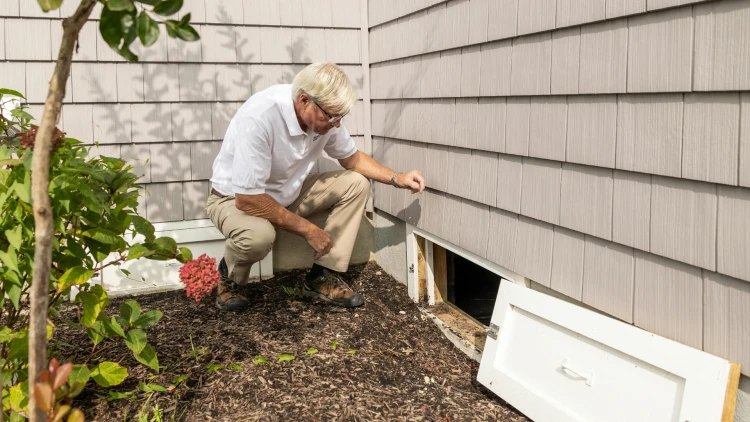
Arizona real estate contracts typically include an inspection period, often around ten days, although the exact timeline can vary depending on negotiation.
During this period, buyers can perform a wide range of inspections, including:
Arizona’s purchase contract allows buyers to submit a Buyer’s Inspection Notice and Seller’s Response (BINSR). This document lists repair requests or concerns discovered during inspections.
When selling As-Is, sellers often respond to the BINSR by declining repairs.
Even so, buyers can still decide whether to move forward with the purchase. If they are not comfortable with the condition, they may cancel the contract during the inspection period.
Because of this structure, pricing the property correctly at the beginning is critical.
Arizona’s environment affects homes in ways that are different from many other states.
Extreme heat, desert soil, and seasonal monsoon storms can influence property condition.
Buyers often evaluate issues such as:
Air conditioning systems are particularly important in Arizona. Buyers expect a functioning HVAC system capable of handling summer temperatures.
If the system is near the end of its lifespan, buyers may factor replacement costs into their offer.
Termites are common throughout Arizona, especially subterranean termites.
As a result, termite inspections are standard in most transactions.
Arizona homes often include termite treatment warranties or documentation showing prior treatment.
Buyers may request:
Even when selling As-Is, termite history can influence negotiations and lender requirements.
Many Arizona homes include swimming pools, particularly in Phoenix, Scottsdale, and surrounding suburbs.
Pools introduce additional inspection considerations.
Buyers may evaluate:
If the pool requires significant repairs, buyers may negotiate credits.
When selling As-Is, sellers should decide in advance how they will respond to pool-related repair requests.
Arizona has a large number of planned communities governed by homeowners associations.
If a property is located in an HOA, buyers will typically review:
Arizona law requires sellers to provide specific HOA documents during the transaction.
Even in As-Is sales, the financial health of the association can influence a buyer’s decision.
As-Is transactions occur throughout Arizona, though the reasons vary by region.
Phoenix and its surrounding suburbs have experienced significant population growth.
Older homes in areas such as:
Are often purchased by buyers planning renovations.
Location and lot size can carry significant value.
Tucson has many mid-century homes with unique architecture.
Some buyers are specifically looking for properties that need updating.
As-Is sales are common here, especially in older neighborhoods.
Cities such as Flagstaff and Prescott have older housing stock and mountain climates.
Homes in these areas may show wear related to snow, cold weather, and elevation.
Buyers expect some maintenance needs.
In rural areas, properties may include wells, septic systems, and large parcels of land.
These features introduce additional inspection considerations.
Here are the three most common ways to sell a home as-is in Arizona.
Many sellers choose to list their home As-Is through the local MLS.
This approach works best when:
Even dated homes can attract strong offers in competitive Arizona markets.
Some sellers prefer a faster transaction.
Cash buyers are active in Arizona markets, especially in metropolitan areas.
These buyers often specialize in properties that need repairs.
The trade-off is that investors typically factor renovation costs into their offers.
Another strategy focuses on improving presentation without undertaking major repairs.
This might include:
These steps help buyers focus on the property itself rather than distractions.
Certain property issues may affect mortgage approval.
Lenders often require homes to meet minimum safety and habitability standards.
Problems that can affect financing include:
If the property has significant defects, cash buyers may be more flexible than financed buyers.
Correct pricing is essential for a successful As-Is sale.
If the property is priced too high, buyers may assume the seller is not serious about the condition and will attempt aggressive renegotiation.
A realistic price attracts buyers who understand the property's condition.
A useful pricing process includes:
Arizona buyers are often experienced with renovation projects, particularly in growing metro areas.
Pricing should reflect that market reality.
Even when selling As-Is, presentation matters.
Simple preparation can make a meaningful difference.
Sellers often focus on:
These steps help buyers evaluate the property more easily.
Choose whether to:
Fill out the Seller’s Property Disclosure Statement accurately.
Collect records such as:
Consider:
Buyers will likely conduct inspections during the due diligence period.
When selling As-Is, many sellers decline repair requests.
Once contingencies are satisfied, the transaction proceeds to closing.
These are some of the most common questions about selling a house as-is in the state of AZ.
Yes. Many Arizona homes are sold As-Is, particularly older properties or homes needing updates.
Yes. Arizona sellers typically complete a Seller’s Property Disclosure Statement.
Yes. Buyers typically conduct inspections during the inspection period.
Termite inspections are standard because subterranean termites are common in the region.
They can. Pool equipment and structural condition are often inspected during the transaction.
Selling As-Is in Arizona can be a practical option for many homeowners.
Sellers often choose this approach when they want to avoid renovation costs or simplify the transaction process.
Successful As-Is sales typically involve:
Arizona’s strong housing demand means many buyers are willing to purchase properties that need improvements.
When the property is priced appropriately and disclosures are handled carefully, selling As-Is can move from listing to closing without unnecessary complications.
Searching and Processing Address