October 3, 2024

Yes, you can sell your house after just one year. Life doesn’t always follow a five-year plan. Job changes, financial shifts, or unexpected opportunities can force a quick move.
The real question isn’t can you sell, but should you? Selling this soon can trigger taxes, fees, and other costs that cut into your profit. Here’s what you need to know before making that decision.
What Costs Might I Incur if I Sell a House After 1 Year?
Selling a home after only one year is often a costly decision. From capital gains taxes to closing fees, several financial hurdles can eat away at your profit—or even leave you with a loss. Let’s dive into the key costs associated with selling a home just one year after buying it.
Costs You May Encounter

- Agent Commission Fees: Real Estate Agent commission fees typically range around 6% of the sale price. If you sell your home after one year, you’ll need to factor in this cost.
- Closing Costs: When you purchased your home, you had to cover closing costs, and you’ll need to do it again when you sell. Closing costs can include title fees, transfer taxes, escrow fees, recording fees, and prorated property taxes.
- Staging and Prep Fees: To ensure your home sells quickly and for the best price, staging may be necessary. Professional staging and preparation can cost anywhere between $2,000 and $6,000, depending on the size and condition of your property.
- Mortgage Prepayment Penalty: If your mortgage includes a prepayment penalty, you may have to pay 2-5% of the remaining balance to pay off the loan early. Not all mortgages include this clause, but it’s important to check your terms.
- Seller Concessions: In some cases, sellers offer concessions, such as covering some or all of the buyer’s closing costs, as an incentive for the buyer. This can add an additional financial burden when selling early.
- Moving and Relocating Costs: The average cost of moving is around $1,677, according to HomeAdvisor, with long-distance moves costing much more. Moving within a year means you’ll have to pay for relocation again, which can further impact your finances.
- Capital Gains Tax: One of the most significant costs when selling a home after one year is capital gains tax, which we will discuss in detail in the next section.
Selling a house after one year involves multiple costs that can add up quickly. It’s essential to weigh these expenses against the potential benefits of selling to make an informed decision. Many homeowners may find that holding onto their property for at least two years could provide a better financial outcome.
What Are The Tax Implications of Selling a House After 1 Year?
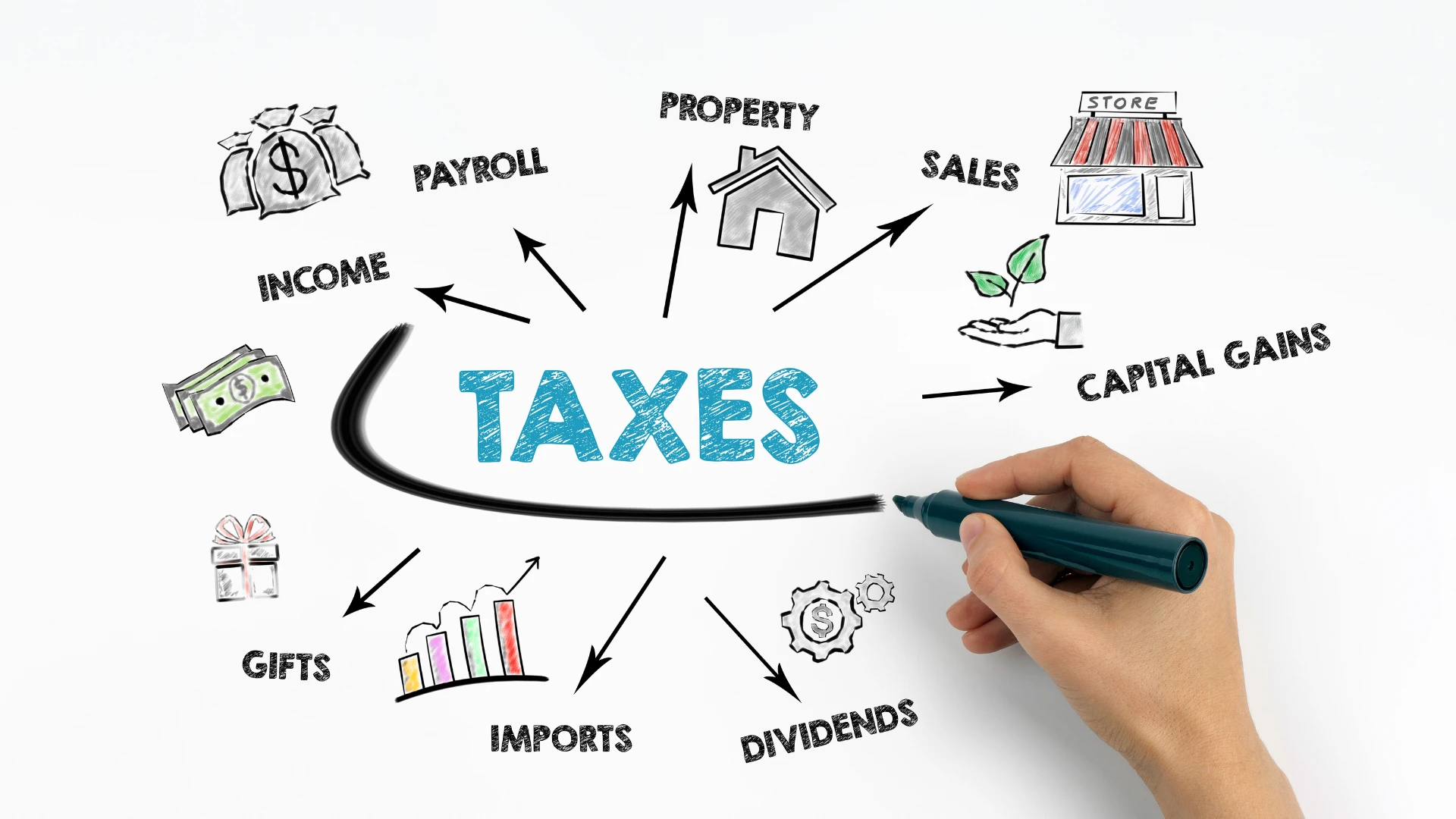
When considering selling your home after just one year, understanding the tax implications is critical. Capital gains tax can significantly impact your profit, making it a key factor in deciding whether to sell.
Capital Gains Tax Explained
Capital gains tax applies to the profit you make from selling a property. In the United States, there are two types of capital gains tax: short-term and long-term.
- Short-Term Capital Gains Tax: If you sell your home within one year of purchase, any profit is subject to short-term capital gains tax, which is taxed at your ordinary income tax rate. Depending on your tax bracket, this rate could be as high as 37%. For example, if you bought your home for $300,000 and sold it for $350,000, the $50,000 profit would be taxed at your income tax rate.
- Long-Term Capital Gains Tax: If you sell after owning the property for more than one year but less than two years, the profit is still taxable but at a reduced rate. Long-term capital gains rates are typically 15% or 20%, depending on your income.
Exemptions and Strategies to Avoid Capital Gains Tax
If you hold onto your home for at least two years out of the last five, you may be eligible for a capital gains tax exemption. This exemption allows you to exclude up to $250,000 of profit for single filers or $500,000 for married couples filing jointly. This tax break can effectively eliminate any capital gains tax for many homeowners, making it a valuable consideration if you can wait to sell.
Capital gains taxes can significantly impact the profitability of selling a house after one year. Whenever possible, waiting until you meet the requirements for exemption can save you thousands of dollars.
Sell Your House Fast
Sell Fast Checklist
Complete this interactive checklist to prepare for a quick property sale. Track your progress and export when ready.


Unlock the Full Checklist
What Are Some Common Scenarios for Selling After 1 Year?
While selling a home after one year is generally not recommended, certain circumstances may make it necessary or advantageous. Below, we explore several common reasons why people choose to sell their homes within a year of purchase.
1. Market Appreciation
In a rapidly appreciating market, selling a home after a short period might be profitable. If housing prices in your area have increased significantly, selling could yield a substantial profit. However, make sure to calculate whether the appreciation covers your expenses, including capital gains taxes and other fees, before deciding.
2. Forced Appreciation Through Renovations
Forced appreciation occurs when you increase the value of your home through renovations or improvements. For example, if you purchased a fixer-upper and invested in significant upgrades, the value of the property could increase enough to make a profit, even after accounting for the costs of renovations and taxes.
3. Relocating for a Career Opportunity
Job opportunities may arise that require relocation. If the benefits of a new position outweigh the costs associated with selling your home, it may be worth selling. In such cases, consider whether renting out the property might be a viable alternative to selling.
4. Financial Emergency
Unexpected financial challenges, such as job loss, medical bills, or other emergencies, may necessitate selling your home. Selling to access equity can help alleviate financial pressure, though it’s important to consider all options, such as refinancing or home equity loans, before deciding to sell.
There are specific circumstances where selling a home after one year may make sense. Evaluating your unique situation, considering all costs, and seeking professional advice can help determine whether selling is the right choice.
What Are The Best Strategies for Selling Your House After 1 Year?

If you’ve decided that selling is the best course of action, there are strategies you can implement to make the process smoother and reduce the financial burden.
1. Wait if Possible
If circumstances allow, waiting until you’ve owned the home for at least two years can help you avoid capital gains tax and other costs. If you can’t live in the home, consider renting it out to generate income and offset the costs of ownership.
2. Stage the Property
Home staging can help maximize the sale price of your property. Professional stagers know how to highlight the best features of your home, making it more appealing to potential buyers. Staging can be especially important when selling a home quickly, as buyers may be wary of why the property is back on the market so soon.
3. Use Alternative Selling Platforms
If you need to sell your house quickly, consider selling to a cash buyer or using an iBuying service. These methods can result in a faster sale, but keep in mind that the final sale price may be lower than what you’d receive from a traditional buyer.
4. Find an Experienced Real Estate Agent
Selling a home within a year requires the expertise of a knowledgeable real estate agent. They can help you navigate the challenges of selling early, price your property correctly, and connect you with buyers who understand your unique situation.
Selling a home after one year requires careful planning and the right strategy to minimize losses. By working with professionals and exploring your options, you can make the best of this challenging situation.
What’s the 5-Year Rule for Selling a House?
The 5-year rule suggests that homeowners should plan to keep a property for at least five years before selling. The longer you own a home, the more time you have to build equity and benefit from appreciation. Selling sooner increases the risk of losing money, especially after factoring in closing costs, commissions, and market fluctuations.
There are two main reasons early sales can lead to losses:
- Limited equity: In the first few years of a mortgage, most payments go toward interest rather than principal.
- Insufficient appreciation: Home values may not have increased enough to offset selling expenses.
Home appreciation depends on several factors:
- Location: Proximity to employers, shopping, parks, good schools, and low crime rates can significantly influence value. Homes near green space can command 8%–20% higher prices in some markets.
- Supply and demand: When buyer demand exceeds available inventory, prices typically rise. Interest rates and economic conditions also impact appreciation trends.
- Comparable home sales: Recent nearby sales (“comps”) directly influence your home’s market value, particularly in a strong seller’s market.
- Size and usable space: Finished basements, home additions, and accessory dwelling units (ADUs) can meaningfully increase value.
- Condition and updates: Well-maintained homes with updated kitchens, bathrooms, or fresh paint tend to command higher prices. Major remodels may not pay off if you plan to sell soon.
- Economic conditions: Inflation, interest rates, and broader economic health all influence housing prices.
National appreciation rates fluctuate. When appreciation is modest, selling within a few years of purchase makes it harder to break even, let alone profit.
What Other Options Do I Have If I Need To Sell Early?
If selling after one year doesn’t make financial sense, you may have alternatives worth considering.
- Rent it out: Turning the home into a long-term or short-term rental can help you build equity while waiting for appreciation. Keep in mind added costs like insurance, maintenance, and possible property management fees.
- Use it as a vacation rental: Platforms like Airbnb or Vrbo may generate income temporarily if the property is in a desirable location.
- Hold the property: If the market is soft, waiting for values to rise could improve your financial outcome. Some homeowners keep the property as a future retirement or second home.
- Short sale: If you owe more than the home is worth, a short sale may help avoid foreclosure. However, it can damage your credit and may still carry tax consequences.
- Foreclosure: When no other option is viable, foreclosure may occur, but it has long-term credit and financial consequences.
- Auction the home: In a strong market, auctioning can be an option, especially if the home is paid off. Setting a reserve price protects you from underselling.
- Price aggressively to limit losses: Working with an experienced agent to price the home strategically may help you sell faster and reduce carrying costs.
Ultimately, the right decision depends on your financial position, market conditions, and long-term goals.
FAQs: Can I Sell My House After 1 Year?
To help you understand the nuances of selling a house after one year, here are answers to some frequently asked questions:
Can I Sell My House After 1 Year?
Yes, you can sell your house after 1 year. However, it’s important to consider the financial costs, including capital gains tax, agent fees, and closing costs, which may result in a loss. Waiting until you’ve owned the home for at least two years can help reduce these costs.
Will I Lose Money if I Sell My House After 1 year?
It is likely that you will lose money if you sell your house after one year. Costs such as real estate agent fees, closing costs, and potential capital gains taxes can add up. Additionally, property values may not have increased enough in just one year to cover these expenses.
What Do I Need to Know About Taxes if I Sell After 1 Year?
Selling a house after one year subjects you to short-term capital gains tax, which is taxed at your ordinary income rate—potentially as high as 37%. If you can wait until you’ve owned the home for at least two years, you may qualify for an exemption that significantly reduces or eliminates the tax.
How Soon Can I Sell My House After Purchase?
You can sell your house as soon as you’d like after purchasing it. However, selling within one year is often not financially advantageous due to the various costs involved. If possible, it’s best to wait at least two years to avoid certain taxes and fees.
Can I Sell My House After 1 Year and Make a Profit?
While it is possible to make a profit, it is challenging. Factors like significant market appreciation or renovations that add value to the property are necessary to offset costs. Otherwise, it’s likely that expenses such as capital gains taxes, realtor commissions, and closing fees will eat into any potential profit.
Is There a Penalty for Selling Your House Early?
There is no formal penalty for selling your house early, but there are financial consequences. You may be subject to capital gains tax, mortgage prepayment penalties, and other costs that can add up, effectively acting as a financial penalty for selling too soon.
How Long Should I Keep My House Before Selling It?
Most experts recommend keeping a house for at least five years to allow the property to appreciate enough to cover all associated costs and build sufficient equity. Selling before reaching the break-even point may result in a financial loss.
Why Would Someone Sell Their Home After 1 Year?
There are several reasons why someone might sell their home after one year, including unexpected job relocations, financial emergencies, or market conditions that make selling profitable. However, it’s crucial to carefully consider all costs before making a decision.
Can I Avoid Capital Gains Tax if I Sell My House After 1 Year?
Generally, you cannot avoid capital gains tax if you sell your house after just one year. However, exemptions may be available if you sell due to specific circumstances, such as job relocation, health issues, or other qualifying hardships. Consulting with a tax advisor is recommended to determine your eligibility.
Should You Sell Your House After 1 Year?
Selling a house after just one year is certainly possible, but it comes with significant costs and challenges. Between capital gains taxes, agent commissions, and other fees, it’s likely that selling early will result in a financial loss. If possible, holding onto the property for at least two years can save you money in taxes and help you build equity.
However, life is unpredictable, and circumstances may force your hand. If selling is necessary, understanding the costs involved, working with experienced professionals, and using the right strategies can help you minimize losses and make the best of your situation.

Recent Posts


Frequently Asked Questions (FAQs) About Selling Your Home Fast
During a transfer, a new deed is drafted and signed by the seller, transferring ownership of the house to the new buyer. This document is then recorded in the land records with the above-mentioned deed of trust.
We work with your bankruptcy attorney to present a FAIR offer and give you additional money at closing. We present the offer directly to your attorney and work to have the offer accepted by the bankruptcy court. Once the offer is accepted, we ensure that the bankruptcy is released and we buy the property as soon as possible.
Yes, we can work with any seller who needs to move a property quickly for any reason and in any price range. We have purchased million-dollar houses before.
Yes, we buy apartments, multi-family houses/buildings and land.
No! You have no obligation at all if you submit an information form, show your property to House Buyers or receive an offer to buy your house. You are under no obligation at all. All we ask for is the opportunity to make an offer for your house, you’re in the driver’s seat as to whether you accept the offer or not. You are in complete control. You are only obligated to our service if you have entered into a purchase agreement with us, as with any other real estate transaction.
We need very basic information from you about your house. The number of bedrooms, bathrooms and overall condition of the property is needed. We will also ask you how long you have owned your home and if there are any mortgages or liens against the property.
We offer the maximum amount possible, our offers are very competitive. If our offers weren’t competitive, we wouldn’t have purchased thousands of houses! There is no magic percentage we use, every house is unique. Our Real Estate Consultants take into consideration the age, condition, size, features and location of the home much like an appraiser would. We factor in the costs to repair the house, what other homes in the area are selling for and how long it is taking to sell those homes. These and several other factors are researched to determine a fair offer.
As soon as we receive your Online Form, we will review your information and get back to you ASAP (usually within 30-60 minutes depending on when you submit the information).
We work FAST to help ensure that your house doesn’t go to foreclosure. We present you with a FAIR offer to pay off your mortgage before the foreclosure. We help save your credit, avoid foreclosure and allow you to sell your house FAST and FAIR. Due to recent legislation, if you reside in the state of Maryland and are within a certain period of time before your foreclosure sale date, we will introduce you to a Foreclosure Consultant. The legislation mandates that if you are within this certain window that a foreclosure consultant must explain to you all of your options involved in selling your home.
No problem! We can still buy your house as is, even if it has demolition orders scheduled.
House Buyers of America
We buy your home on your terms.
- No repairs or showings
- Close on your time frame
- No commissions or fees
- No obligation cash offer
Over 25 Years in Business · Trusted Since 2001
Get Your Fair Cash
Offer
Today!
or call us at 855-659-3289
Searching and Processing Address