
Last Updated : August 18, 2025 by Rebecca Daneault
Selling a home can be a daunting process. When that property is inherited, several additional factors come into play, making things even more complicated. The key to overcoming these challenges is understanding what to expect and planning accordingly.
This comprehensive guide aims to simplify the process of selling inherited property in Washington, making the experience as smooth and hassle-free as possible.

The term inherited property refers to anything that is passed from one person to another upon their death. This includes both assets of value, such as cash, investments, vehicles and homes, as well as personal items that are only sentimental in nature.
In the state of Washington, most inheritances are required to pass through what’s known as probate. This is a legal process through which a court oversees the settlement of the decedent’s estate, including the payment of outstanding debts and the distribution of anything remaining to the appropriate parties.
Before attempting to sell an inherited home in Washington, you’ll want to learn the steps you’ll need to take, and what you’ll need to prepare in order to move forward. Let’s explore these things in greater detail below.
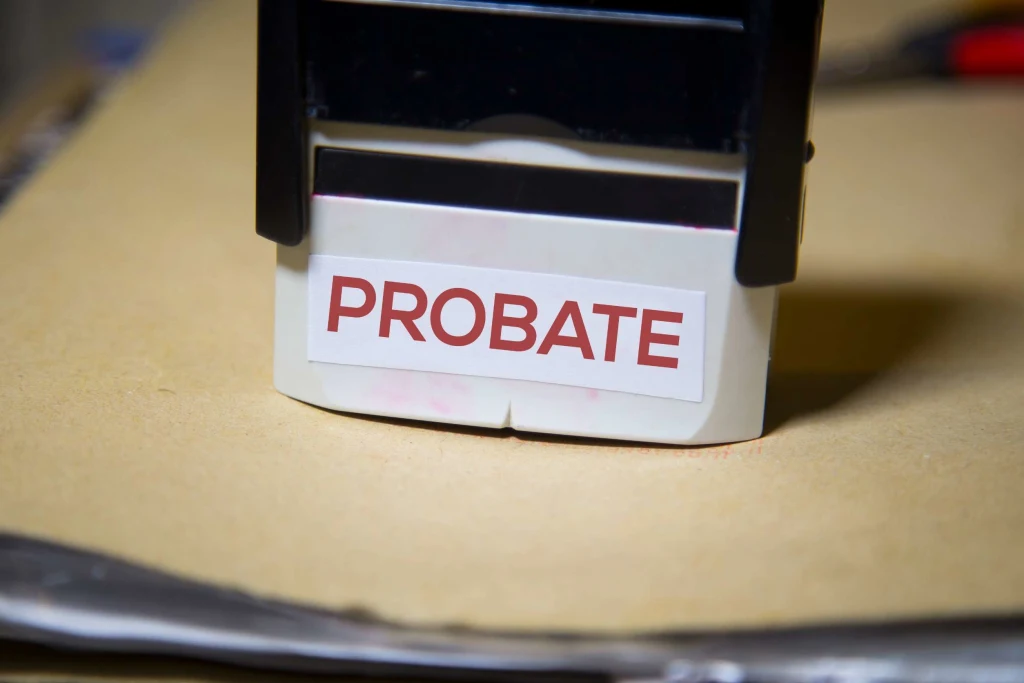
The first step in selling the Washington home you’ve inherited is to initiate probate. This is done by filing a petition, along with the will (if one exists) and death certificate, with the Superior Court in the county where the decedent resided when they passed away. One important thing to note: this must be done within 40 days of the date of death.
Once the court approves the petition for probate, the person named executor of the estate will receive official documents called letters testamentary, which grant the executor authority over the deceased person’s assets. From there, all potential heirs and creditors must be identified and notified.
In Washington, the probate process usually takes between six and nine months, however, it could be longer, depending on the complexity of the estate, whether there are any disputes, and a number of other factors. During this time, it is crucial that you remain as organized as possible. Doing so will improve your chances of a smooth and uneventful process.

Once the probate process has been initiated, the next important step is to have the home officially appraised. This should be done by a seasoned professional, as the results will be needed for tax purposes (more on that below). This will also serve as the baseline for you to determine how much the property is worth so you’ll have an idea of how much you can sell it for.
Another important step early on in the process is to determine whether or not you would like to fix the property up or sell it As-Is. It can be tempting to want to invest in repairs or renovations to bring the home’s value up, but doing so will require out-of-pocket spending on your part. For this reason, the majority of individuals who inherit property in Washington choose to save time and money by selling as quickly and with as few updates as possible.
In Washington State, you cannot sell an inherited house until its title has officially been transferred into the name of its new owner. This essential step is usually handled during the probate process.

When a home is inherited, it often comes with outstanding debt, like a mortgage or home equity loan. These balances must be paid before the property can be sold. Likewise, if the house you’ve inherited has any liens on it, you will need to settle those things prior to placing the property on the market.
The state of Washington requires sellers of residential real estate to disclose all known material facts on a form called the Residential Real Property Disclosure Statement (also known as Form 17).
A material fact is anything that may affect the title of the property or its physical condition, including but not limited to:
Failure to comply with this requirement could result in serious and costly legal repercussions.


You’ll need the following documentation to sell a property in Washington State:

When it comes to selling inherited property in the state of Washington, you have several options. The three most popular include:
First, you can choose to sell the property on your own without hiring a real estate agent. While this approach has its benefits, it also comes with challenges.
Pros:
Cons:
Another option is to partner with a local real estate agent. Like FSBO, this option comes with its own advantages and drawbacks.
Pros:
Cons:
The third option is selling to an investor who offers a lump-sum cash payment. This method has its own set of advantages and drawbacks.
Pros:
Cons:
Unfortunately, selling inherited property in Washington isn’t always as straightforward and simple as one might hope—especially when one of the following scenarios occurs.

The inheritance process can be a complex one, and adding multiple heirs or beneficiaries can make things even more challenging. Conflicts often occur when one or more co-owners refuse to sign probate documents or oppose selling the property.
Even if everyone agrees to sell, determining when and how to do so can lead to additional complications and further disagreements.
If you and your co-heirs are at an impasse and want to avoid court (which is highly recommended), working with a mediator who is experienced in inheritance disputes may be in everyone’s best interest.

As mentioned earlier, in Washington State, inherited property cannot be legally sold without a clear title. Many inherited homes have liens or unpaid taxes, which can complicate and delay the transfer process.
If you're dealing with a complex situation or are uncertain about the next steps, consulting a knowledgeable real estate attorney could help guide you through the process.

Inherited homes are often in significant disrepair by the time they are passed on to a new owner. This can happen for various reasons, such as the previous owner being elderly or physically unable to maintain the property.
Restoring a home to marketable condition can be expensive, sometimes costing thousands or even tens of thousands of dollars. As the new owner, you would be solely responsible for these expenses, as well as ongoing costs like property taxes, insurance, utilities, and general upkeep.
In such cases, selling to a reputable cash buyer might be the most practical solution. If the home is in really bad condition, selling it As-Is to a real estate investor may be your only option, as many banks won’t approve mortgages for properties that are serious disrepair.
Selling to an investor allows you to walk away without the hassle of repairs or cleanup. Some cash buyers even handle the process of cleaning out the leftover belongings from inside the property, which can be especially helpful in hoarding situations.

In the state of Washington, most inheritances are required to go through probate, which can be a time-consuming and expensive process. Thankfully, there are a few ways to avoid this:
If you are planning your estate and looking for ways to help your heirs avoid probate after your death, we recommend consulting with an experienced estate attorney and/or a qualified financial advisor for specific guidance.
Searching and Processing Address