August 3, 2024

A condemned house is a property deemed unsafe under local building or health codes. Homeowners may not realize their house is condemned until repairs are required or a sale is attempted.
The good news is that condemned houses can still be sold. This guide explains what condemnation means, why it happens, and the options available for selling a condemned property.
What Is a Condemned House?
In simplest terms, a condemned house is unsafe for habitation. This isn’t just about peeling paint or an unruly garden; we’re talking about serious safety issues. Think structural damage, hazardous materials, or lack of functioning utilities.
That said, condemnation doesn’t mean the property has no value. It simply means the property needs a bit of TLC…or maybe a lot of it.
What Can Cause a House to be Condemned?
A house doesn’t become condemned at random. Local building or health authorities evaluate properties based on safety and habitability standards. A home may also be condemned if it poses a risk to occupants or the surrounding community.
Common reasons include:
- Structural damage from fires, floods, storms, or long-term neglect
- Health hazards such as mold, pest infestations, or contamination
- Lack of essential utilities like water, electricity, or sewage
- Illegal activity conducted on the property
- Extended vacancy or abandonment (typically 60 days or longer)
- Eminent domain, when the government acquires property for public use

What Happens If Your House Is Condemned?
So, your house has been condemned. Now what? First things first: You’ll need to vacate. But don’t worry, you don’t have to abandon ship completely. You still own the property, and you’ve got some options.
Rights and Responsibilities
- Owner’s Rights: You can appeal the condemnation, request an extension for repairs, and maybe even turn things around. It’s important to understand the intricacies of property ownership, including the difference between a property deed and a property title, to protect your interests.
- Government’s Role: They ensure the house is safe for everyone. They’ll give you guidelines and timelines for repairs and might even throw in some helpful resources.
Condemned vs. Abandoned Houses: What’s the Difference?
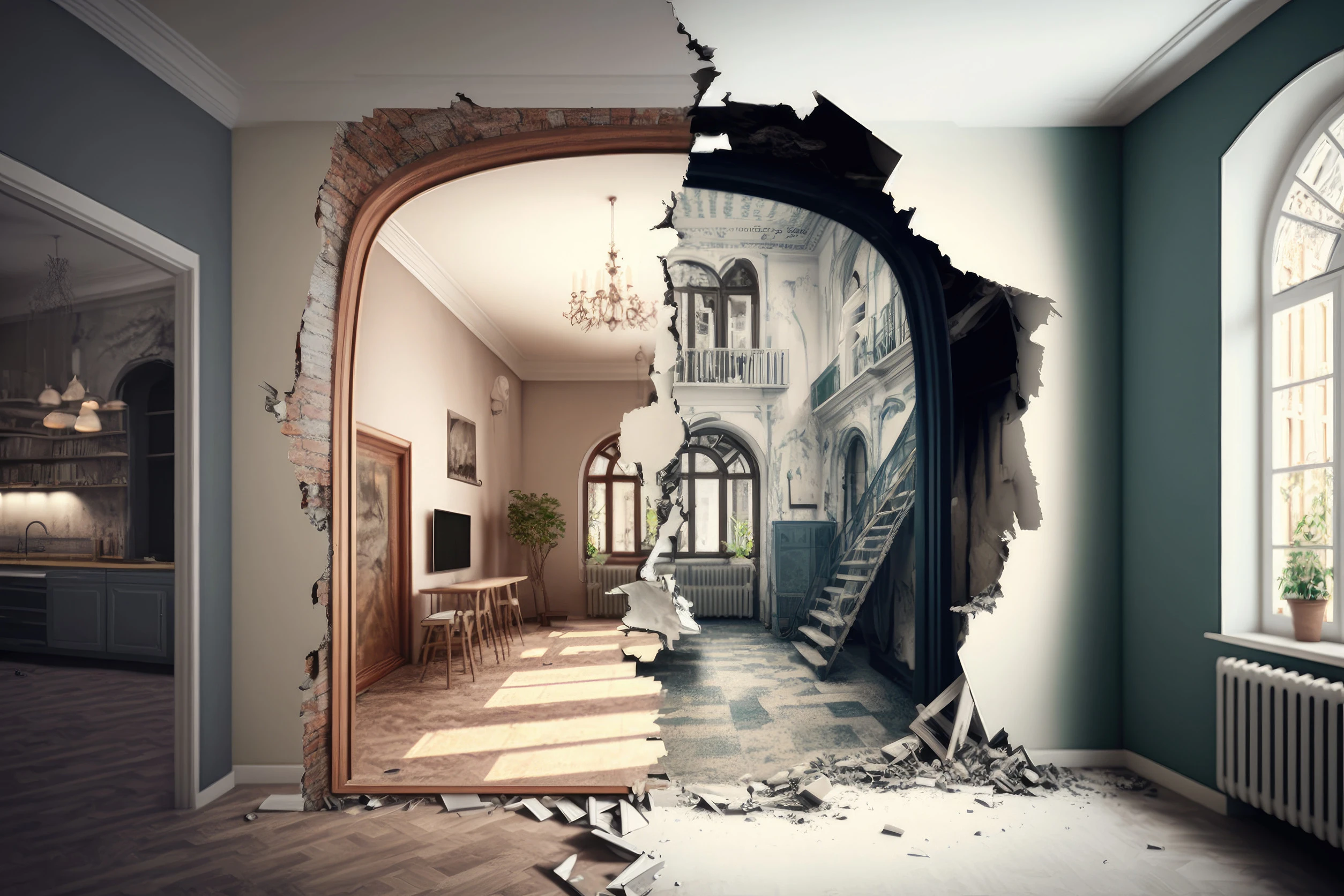
While condemned and abandoned houses might seem similar at first glance, there are some key differences. Both types of properties require attention, but the paths to restoring them can be quite different.
Condemned Houses
Condemned houses are properties flagged by the government because they pose significant safety risks. We’re talking about serious structural issues, health hazards, and violations of housing codes that lead to their condemnation.
These aren’t just cosmetic issues; these are problems that make living in the house unsafe for occupants. The primary goal here is public safety, so the property is often sealed off until it can be made habitable again.
Abandoned Houses
Abandoned houses, on the other hand, are those that have been vacated and left unattended for extended periods. They’re not necessarily unsafe but can quickly become an eyesore or a haven for unwanted visitors.
According to the U.S. Department of Housing and Urban Development (HUD), many abandoned homes are the result of factors like the foreclosure crisis or the decline of urban areas. The local government might seize these properties to prevent them from falling into complete disrepair, and they can be found on separate lists from condemned ones.
Can A Condemned House Be Sold?
Yes, you can sell a condemned property, however, the process is more restricted than a traditional sale. Condemnation means the property has been deemed unsafe or uninhabitable, which limits who can buy it and how the sale can move forward.
Most condemned houses cannot be financed through traditional lenders, and sellers are typically required to be up front about the property’s status. While selling is possible, the available options depend on the reason for condemnation, local laws, and whether repairs are made before closing.
What Are the Legal Requirements for Selling a Condemned House?
In most states, sellers are required to disclose known issues that affect a property’s safety or legal status, including the fact that it has been condemned. These disclosures help protect buyers and reduce the risk of disputes after closing.
Because condemnation rules are enforced locally, requirements can vary by city or state. Some jurisdictions require formal documentation, while others rely on standard property condition disclosures.
Failing to disclose a condemned status can lead to serious consequences, including canceled contracts, financial penalties, or legal claims long after the sale is complete.
Selling In As-Is Condition
The Complete As-Is Home Selling Checklist
Track your progress and export when ready.


Options for a Condemned Property
If your property has been condemned, there are a few different paths you can take:
Sell the Property As-Is
Selling As-Is is often the fastest and easiest option. Because no repairs are required, this route can also reduce upfront costs and speed up the timeline.
Make Repairs and Remove the Condemnation
Some homeowners choose to address the violations that led to condemnation. This may involve completing repairs, securing permits, and passing a reinspection before listing the property.
Condemnation Due to Eminent Domain
If the condemnation was part of an eminent domain action, you can’t sell it on the market, but you will receive compensation. Make sure you have a good lawyer on speed dial to get the best deal possible.

Who Buys Condemned Houses?
Condemned houses present major challenges when it comes to buyer financing. Most mortgage lenders require a property to meet basic safety and habitability standards, which condemned homes typically fail to satisfy. As a result, many buyers are unable to secure financing, even if they’re otherwise interested.
Because of this, sellers usually deal with a smaller, more specialized group of buyers, including:
- Cash buyers, who can purchase the property As-Is without lender approval
- Real estate investors or flippers, who plan to rehabilitate or redevelop the home
- Developers, who may be interested primarily in the land rather than the structure
- Auction buyers, who specialize in distressed or nontraditional properties
Knowing which buyers are realistically able to purchase a condemned house helps sellers avoid failed contracts, unnecessary delays, and unrealistic expectations during the selling process.
Step-by-Step Process for Selling a Condemned Home
Selling a condemned house is easier to manage when broken into clear steps. While every situation is different, most sellers follow a similar path:
- Confirm the condemnation status and understand why the property was flagged
- Review disclosure requirements based on local and state regulations
- Evaluate selling options, such as selling As-Is, making repairs, or navigating eminent domain
- Identify qualified buyers, typically cash buyers or investors
- Complete the closing process, including title work and required documentation
Following a structured process helps reduce surprises and keeps the transaction moving forward.
What Happens If You Walk Away from a Condemned House?

Not everyone has the time, resources, or energy to deal with a house that needs a ton of work. But keep in mind that leaving a condemned property isn’t as simple as letting the weeds take over.
When you decide to abandon a condemned property, you’re effectively inviting the government to take control. Over time, they have the legal right to seize your property. It’s like handing over the keys, only with more paperwork and fewer sentimental goodbyes.
What are the Consequences of Abandoning a Property?
One of the major drawbacks of walking away from a condemned property is that the home becomes a beacon for unwelcome guests:
- Squatters and Trespassers: Abandoned homes are like magnets for squatters, trespassers, and sometimes even vandals.
- Declining Neighborhood: An abandoned house can negatively impact the neighborhood, leading to declining property values and an increase in crime.
Consider the Alternatives
Before you turn your back, consider your options:
- Repair or Demolish: If possible, repairing or even demolishing the property can be a more responsible choice. You might even find some hidden value in the land itself.
- Sell As-Is: If fixing the place isn’t feasible, selling the property to a cash buyer or investor can relieve you of responsibility and put some cash in your pocket.
- Consult with Experts: Talk to a real estate agent, attorney, or financial advisor to explore your options. They might have solutions you haven’t considered.
Frequently Asked Questions About Selling a Condemned House
Here are the most common questions people ask about selling a home that’s been condemned.
Can a lender finance a condemned house?
In most cases, no. Condemned properties typically do not meet lender habitability standards.
Do you have to fix a condemned house before selling it?
Not necessarily. Many sellers choose to sell the property As-Is to reputable cash buyers.
Can you sell a condemned house without a realtor?
Yes. Some homeowners sell directly, especially when targeting investors or local cash buyers.
What happens if the government takes the property?
If condemnation is tied to eminent domain, the owner is usually compensated, though the amount may be negotiable.

Recent Posts


Frequently Asked Questions (FAQs) About Selling Your Home Fast
During a transfer, a new deed is drafted and signed by the seller, transferring ownership of the house to the new buyer. This document is then recorded in the land records with the above-mentioned deed of trust.
We work with your bankruptcy attorney to present a FAIR offer and give you additional money at closing. We present the offer directly to your attorney and work to have the offer accepted by the bankruptcy court. Once the offer is accepted, we ensure that the bankruptcy is released and we buy the property as soon as possible.
Yes, we can work with any seller who needs to move a property quickly for any reason and in any price range. We have purchased million-dollar houses before.
Yes, we buy apartments, multi-family houses/buildings and land.
No! You have no obligation at all if you submit an information form, show your property to House Buyers or receive an offer to buy your house. You are under no obligation at all. All we ask for is the opportunity to make an offer for your house, you’re in the driver’s seat as to whether you accept the offer or not. You are in complete control. You are only obligated to our service if you have entered into a purchase agreement with us, as with any other real estate transaction.
We need very basic information from you about your house. The number of bedrooms, bathrooms and overall condition of the property is needed. We will also ask you how long you have owned your home and if there are any mortgages or liens against the property.
We offer the maximum amount possible, our offers are very competitive. If our offers weren’t competitive, we wouldn’t have purchased thousands of houses! There is no magic percentage we use, every house is unique. Our Real Estate Consultants take into consideration the age, condition, size, features and location of the home much like an appraiser would. We factor in the costs to repair the house, what other homes in the area are selling for and how long it is taking to sell those homes. These and several other factors are researched to determine a fair offer.
As soon as we receive your Online Form, we will review your information and get back to you ASAP (usually within 30-60 minutes depending on when you submit the information).
We work FAST to help ensure that your house doesn’t go to foreclosure. We present you with a FAIR offer to pay off your mortgage before the foreclosure. We help save your credit, avoid foreclosure and allow you to sell your house FAST and FAIR. Due to recent legislation, if you reside in the state of Maryland and are within a certain period of time before your foreclosure sale date, we will introduce you to a Foreclosure Consultant. The legislation mandates that if you are within this certain window that a foreclosure consultant must explain to you all of your options involved in selling your home.
No problem! We can still buy your house as is, even if it has demolition orders scheduled.
House Buyers of America
We buy your home on your terms.
- No repairs or showings
- Close on your time frame
- No commissions or fees
- No obligation cash offer
Over 25 Years in Business · Trusted Since 2001
Get Your Fair Cash
Offer
Today!
or call us at 855-659-3289
Searching and Processing Address