
Last Updated : August 13, 2025 by Cameron Smith
Thinking about putting your Pennsylvania home on the market without hiring a real estate agent? You’re in good company. Plenty of sellers choose the For Sale by Owner (FSBO) path to maintain control and save on commission costs. While taking this approach can be rewarding, it also comes with its own set of hurdles.
In this step-by-step guide, we’ll walk you through exactly how to sell your house without a realtor in Pennsylvania while keeping the process as smooth and stress-free as possible.
Before you take the leap, it’s a good idea to carefully weigh the advantages of FSBO against the potential downsides. As with any major financial decision, thorough research and a clear, accurate understanding of the process will help you choose the path that aligns best with your goals and situation.
Selling a home on your own in Pennsylvania means you are legally responsible for following all state disclosure and contract requirements. Under the Pennsylvania Real Estate Seller Disclosure Law, you must provide buyers with a Seller’s Property Disclosure Statement.
This required form asks you to disclose any known material defects about the property, including the condition of the roof, plumbing, HVAC systems, structural components, and environmental hazards such as radon. Radon is a common concern in Pennsylvania, particularly in central and eastern counties, so buyers may request radon testing. If you’ve had prior test results, disclosing them is strongly recommended.
In rural areas, it’s also common for buyers to expect well and septic system reports. Additionally, federal law requires a lead-based paint disclosure for any home built before 1978.
Failing to disclose known issues, such as water damage, structural problems, or environmental hazards, can result in legal action even after the sale has closed. To protect yourself, it’s wise to work with a Pennsylvania real estate attorney who can ensure your disclosure forms and contracts are complete, accurate, and compliant with state law.
Pros
Cons

If the drawbacks listed above have you rethinking FSBO, there are several alternatives that Pennsylvania homeowners may find appealing. Common options include:

Once you’ve made the decision to sell your Pennsylvania home without a realtor, the next step is to prepare it for the market. For some properties, that may mean nothing more than a deep clean, decluttering each room, and tackling a few minor repairs.
You’ll also want to focus on curb appeal. Fresh landscaping, trimmed hedges, and a tidy entryway can make a strong first impression. Finally, consider staging the property to highlight your home’s best features and help buyers envision themselves living there.

Buyers in Pennsylvania often prioritize different perks and features depending on the region, so tailoring your staging can help your home stand out.
Next, and arguably one of the trickiest parts of selling your Pennsylvania home without a real estate agent, is setting the right asking price. This step requires thorough research and a solid grasp of your local real estate market, which can be challenging if you don’t have prior experience with home sales. Here’s how to land on the most accurate figure:

Start by researching what comparable homes in your area have recently sold for. “Comparable” means properties that are similar in size, age, and overall condition to yours. You can gather this data using online real estate platforms like Zillow, Redfin, Trulia, Realtor.com, and Homes.com.
Some tips for pulling accurate comps:
And remember, markets vary widely across Pennsylvania. For example, homes in Bucks County or the Main Line suburbs may command significantly higher prices than comparable properties in Erie or Scranton. Evaluate your local demand and cost of living carefully before finalizing your list price.
Next, take an honest and thorough look at your home’s current condition. Have you completed any recent upgrades or major renovations that could justify a higher asking price? On the flip side, are there repairs, outdated features, or maintenance issues that might lower the property’s value in buyers’ eyes?
Being realistic about these factors is essential. Overpricing based on wishful thinking can turn buyers away and leave your Pennsylvania home sitting on the market far longer than necessary.

Third, you’ll want to evaluate the current real estate market conditions in Pennsylvania—and more specifically, in your neighborhood.
If demand is high and inventory is low, you’re in what’s known as a seller’s market, where multiple buyers compete for fewer homes. This often leads to faster sales and potentially higher offers.
On the other hand, if you see numerous listings lingering on the market or frequent price reductions in your area, you may be in a buyer’s market. In that scenario, buyers have more options and negotiating power, which means you might need to price more competitively to attract attention.
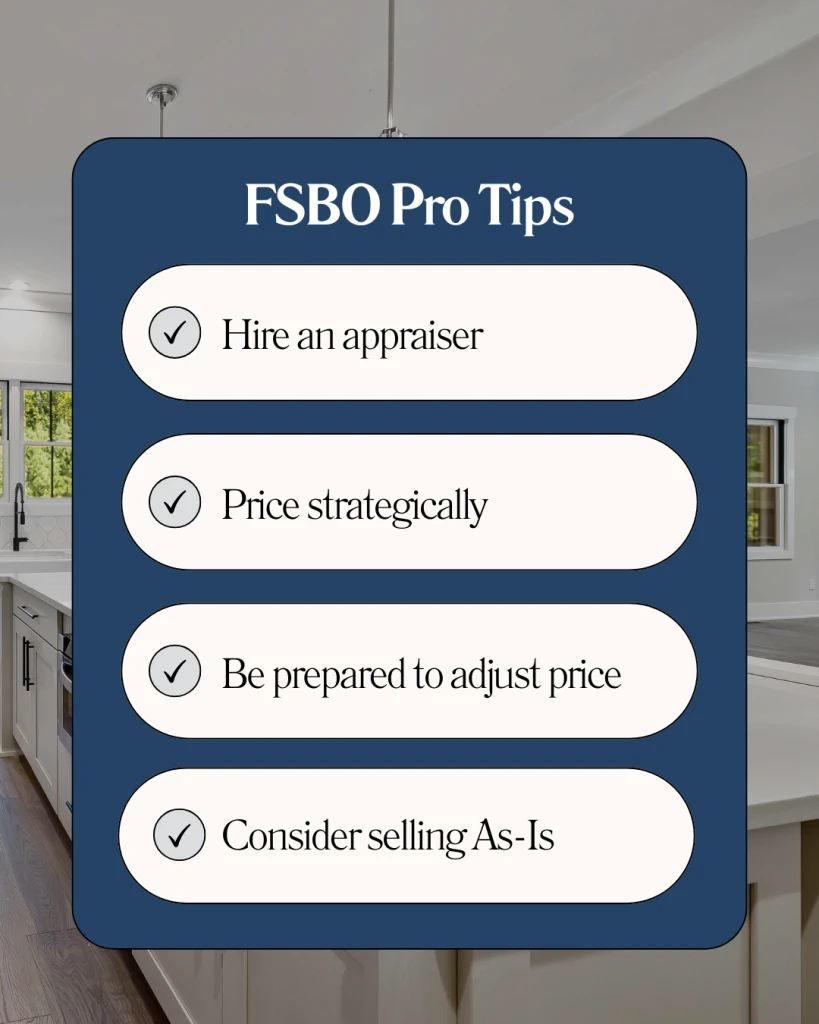
Another important part of selling a house without a realtor in Pennsylvania is making sure you have the right paperwork in place before moving forward.
Here are some of the key documents Pennsylvania FSBO sellers typically need:
Because Pennsylvania has strict disclosure laws and regional variations in requirements, working with a real estate attorney can help ensure your paperwork is accurate, complete, and compliant, which can help you avoid costly delays or legal issues at closing.

Now that you’ve determined your home’s fair market value, prepared it for sale, and gathered the required paperwork, the next step is to get your listing in front of as many potential buyers as possible.
Here are a few ways to spread the word:
Keep in mind that online listings are often the first impression buyers get. Use high-quality photos and detailed descriptions that highlight Pennsylvania-specific perks, such as proximity to SEPTA transit in the Philadelphia area, short commutes to major employers in Pittsburgh, access to top-rated school districts, or closeness to popular outdoor attractions like the Pocono Mountains or Presque Isle State Park.
Example:
“This beautifully updated 3-bedroom Colonial sits on a quiet cul-de-sac in Lower Merion Township, just minutes from top-ranked schools, the Ardmore SEPTA station, and Center City Philadelphia.”

With your Pennsylvania home officially on the market, assuming in good condition and priced competitively, you should start getting interest from potential buyers. Since you’re going the FSBO route, you’ll be managing all showings and open houses on your own.
Start by making your home feel clean, welcoming, and clutter-free. A neutral, inviting atmosphere helps buyers picture themselves living there, which can increase your chances of getting strong offers more quickly.

Since you’ll be the one handling all showings and open houses, it’s especially important to take proper safety precautions. Here are a few tips to keep in mind:
Once buyers have toured your home and the offers begin coming in, your next step is to vet them carefully before entering negotiations.
Start by requesting a mortgage pre-approval letter from each interested party. This confirms they’re financially qualified to purchase. If they don’t have one, ask for proof of funds (especially for cash offers). Without either, it’s probably best to move on.
Pro Tip: When reviewing offers, don’t focus solely on the dollar amount. Look at the full package, including the proposed closing date, contingencies (such as inspection or financing), and any special conditions. The “best” offer is the one that aligns with your priorities, not just your target price.
Once you’ve identified serious contenders, you can accept an offer, issue a counteroffer, or start negotiations. This is where having a professional appraisal and a solid understanding of your local market can give you a clear edge.

Once you’ve accepted an offer and both parties have agreed on terms, the focus will then shift to finalizing the sales transaction. In Pennsylvania, it’s wise to have a real estate attorney review your purchase agreement to ensure it complies with state law and doesn’t leave out any critical details.
Next, coordinate with a bank or other trusted financial institution to hold the buyer’s earnest money deposit (also called a good faith deposit). This deposit shows the buyer is serious about moving forward with the purchase.
From there, you’ll work with the buyer to schedule and complete any inspections or appraisals required by the lender or requested by the buyer directly. As mentioned, in Pennsylvania, this might include radon testing, well and septic inspections for rural properties, or termite inspections in older homes.
Be prepared to negotiate repairs or offer a closing credit if issues arise during the inspection process.

To sell a house without a realtor in Pennsylvania, you’ll need to work with a title company or real estate attorney to handle the closing. In some counties, the buyer typically chooses the settlement agent, while in others, the seller may have a say in the decision.
One important thing to note is that Pennsylvania is a “table funding” state, which means that once all documents are signed at the closing table, and funds are disbursed immediately with no waiting period. To keep the process smooth, prepare in advance by gathering all necessary documents, including the deed, any lien releases, and required closing forms.
You’ll also need to coordinate with the buyer and settlement agent to select a mutually agreeable closing date and schedule a final walkthrough of the property.

On the agreed-upon closing date, you’ll meet with the buyer and the title company or settlement agent to review and sign all required documents. Once everything is complete, you’ll receive the proceeds from the sale, minus any agreed-upon closing costs, outstanding debts, and applicable taxes.
In Pennsylvania, a state realty transfer tax of 1% of the sale price applies to nearly all property transfers. This cost is typically split evenly between buyer and seller unless otherwise negotiated.
Many local municipalities and school districts also charge their own transfer tax, often an additional 1%. For example, Philadelphia imposes a total transfer tax rate of 4.278%, which is also split unless agreed otherwise.
Property taxes in Pennsylvania are prorated at closing, meaning you’ll be responsible for the portion of the tax year you owned the home. All of these costs are generally collected at the closing table to finalize the transaction.

Even the most experienced FSBO sellers in Pennsylvania can make missteps that cost time, money, and peace of mind. Here are some common pitfalls and how to avoid them:
A little upfront diligence can save you a lot of stress and also protect your bottom line when selling your Pennsylvania home.

As you can see, selling a house without a realtor in Pennsylvania is a complex, multi-step process. And while there are clear advantages to the FSBO route, there are situations where selling to a cash buyer can make far more sense.
A cash sale might be the better choice if:
Here’s what you can typically expect from a cash home sale in Pennsylvania:
Selling a house without a realtor in Pennsylvania can be a smart move if you’re ready to take on the pricing, marketing, and negotiations yourself. But if the DIY route starts to feel overwhelming, selling As-Is to a reputable Pennsylvania cash home buyer could be a faster, lower-stress alternative, especially if you’re short on time or facing expensive repairs.
Ultimately, whether you go FSBO, accept a cash offer, or take another route, the best choice is the one that aligns with your goals, timeline, and peace of mind.

or call us at 855-659-3289
Searching and Processing Address