
Last Updated : August 14, 2025 by Cameron Smith
Selling an inherited property can be a complicated and confusing process. There are so many important things to consider, like probate and taxes, not to mention the emotional factor that comes with losing a loved one. If you recently inherited a home in Ohio and are considering selling, but aren’t sure where or how to begin, we’ve got you covered.
This article is designed to cover all the ins and outs of selling inherited property in Ohio to help you better prepare for a smooth transaction.

Inherited property refers to anything that is passed along from a deceased person to their heirs or beneficiaries. This can cover anything from personal belongings that are sentimental in nature to assets of value, such as cash, investments, vehicles, and homes.
In Ohio, inherited property usually goes through a legal process known as probate before it can officially be passed on to its new rightful owners. Probate is the court-supervised settlement of a deceased person’s estate, and it involves the payment of any outstanding debts and the distribution of any remaining assets to the appropriate parties.
If you plan on selling an inherited home in Ohio, it’s essential that you understand everything that’s involved in doing so. Specifically, you’ll want to make sure you know what steps to take, when, and in what order. Let’s explore each of these things below.
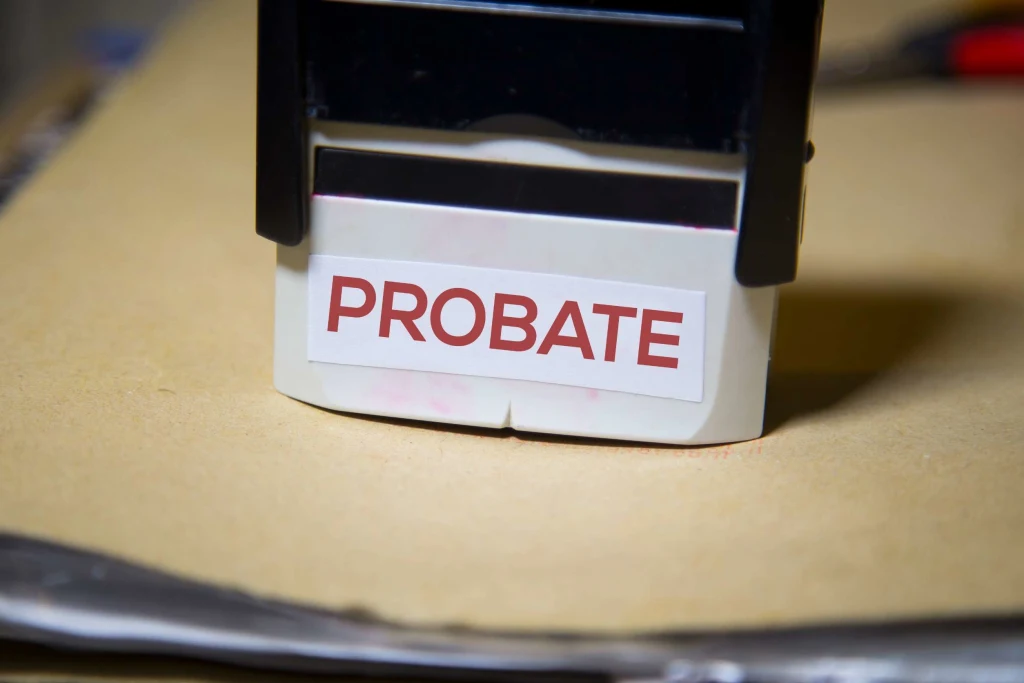
The first step after inheriting property in Ohio is to start the probate process. This is done by filing a petition, along with the will (if one exists) and death certificate, with the probate court in the county in which the decedent lived.
In Ohio, the probate process can take anywhere from six months to a year or more, depending on the complexity of the estate and other factors. During this time, it is crucial that you try to stay as organized as possible.

Once you’ve initiated the probate process, the next step is to have the property appraised. This should be done by an experienced professional. The result of the appraisal will serve two main purposes: determine the current market value so you’ll know how much you can sell it for and establish the property’s tax basis. (We’ll go into the latter in more detail below.)
Next, you’ll need to decide whether you plan on doing any repairs or renovations to the property before selling it or if you’d rather just sell it As-Is. Understand that if you choose to fix the home up, you will be responsible for the costs associated with that, as well as all expenses required to keep the property in good standing, like the mortgage, utilities, taxes, and insurance premiums.
In the state of Ohio, a property cannot legally be sold until the title is officially transferred into the name of the rightful new owner. This critical step is typically handled during the probate process.

It’s not uncommon for an inherited home to come with certain financial and legal obligations. For instance, the property may still have a mortgage, or it could have liens on it. These things must be cleared up prior to the property being sold. If you’re unsure whether any of these encumbrances exist, you may need to reach out to the lender and county clerk’s office to find out.
Ohio requires that sellers of residential property complete a Residential Property Disclosure Form inform potential buyers about any known issues that might negatively impact the value of the property, including but not limited to problems with the:
Additionally, sellers must disclose the presence of:
Finally, sellers are expected to mention any additional "material" defects that could be dangerous or cause a buyer to not purchase the property due to the anticipated costs to repair or replace.


To sell inherited property in Ohio, you’ll need the following documentation:

There are several options for selling inherited property in Ohio. The three most common ones include:
One option is to sell the property on your own, without the assistance of a real estate agent. There are a few benefits and downsides to this option.
Pros:
Cons:
Another option for selling an inherited home in OH is to work with a real estate professional. Of course, this option also comes with its own advantages and disadvantages.
Pros:
Cons:
The third option is to sell to a real estate investor who is willing to purchase the property for a lump-sum payment of cash. Here are a few benefits and drawbacks to this option.
Pros:
Cons:
Sometimes selling inherited property in Ohio isn’t as straightforward as you’d like—especially if you find yourself dealing with one or more of the following scenarios.

Inheriting property on your own is one thing, but what happens when there are multiple heirs or beneficiaries? Mixing in multiple opinions and personalities can be a recipe for disaster.
For instance, it’s not unheard of for one or more siblings to refuse to sign probate, or decide they don’t want to sell. There are, of course, legal remedies for these situations, but then you’ll be handing over control of the process to a judge.
Even in scenarios in which all of the beneficiaries agree to sell the home, then you’ll all have to agree on when and how to do so.
If you and your co-beneficiaries are having difficulty reaching an agreement, your best bet will probably be to enlist the help of a mediator. This can help avoid a long, expensive, and emotional legal battle.

As mentioned, a home cannot be legally sold in Ohio unless it has clear title. In many cases, there may be certain steps that must be taken in order to ensure this.
For instance, if there are any liens or outstanding taxes associated with the property, these things will need to be addressed before the title can be transferred and you can sell.
If you are dealing with an especially complicated situation or you’re just unsure of how to proceed, an experienced real estate attorney can provide some guidance.

Another common issue with inherited property is that the home is in severe disrepair by the time it’s passed along to its new owner. This can happen for a number of reasons. For instance, the decedent may have been too old or sickly to properly maintain the home. Or, they could have fallen into a hoarding situation, making the property unlivable.
In any case, restoring a property like this to markable condition can cost thousands or even tens of thousands of dollars. Not only would that money come out of your pocket as the new owner, but you’ll also be on the hook for all the expenses associated with maintaining the property, such as utilities and property taxes.
In situations such as this, working with a cash buyer may be your best option. In fact, if the property is in severely bad condition, selling it As-Is to a real estate investor might actually be your only option. That’s because in some cases, a bank won’t even consider extending a mortgage loan.
When you sell to a cash buyer, you can simply collect your payment and walk away without having to invest any more time or money into the property. With the right investor, you might even be able to leave all the belongings in the house. This is a great option for hoarding situations.

In Ohio, most inherited property goes through probate, which takes time and can be costly. Thankfully, there are a few ways to get around this:
All but one of these arrangements must be established prior to death. If you're in the process of planning your estate and are looking for ways to help your beneficiaries avoid probate, we recommend consulting with an experienced estate attorney and/or a qualified financial advisor for specific guidance.
or call us at 855-659-3289
Searching and Processing Address