
Last Updated : August 8, 2025 by Cameron Smith
According to Charles Schwab, 70% of people who inherit a home will end up selling it. This can be a great option, but it’s important to understand the ins and outs of the process so there aren’t any surprises. Selling inherited property in Pennsylvania, for instance, comes with a number of important factors, including a special tax.
This comprehensive guide will help you prepare and plan for a quick, smooth, and uneventful transaction.

Inherited property refers to any asset transferred from a deceased individual to their heirs or beneficiaries. This can include a wide range of items, from personal belongings with sentimental value to cash, investments, furniture, vehicles, and, of course, real estate.
In Pennsylvania, the inheritance process typically involves a legal proceeding known as probate. This is when a court validates the decedent’s will (or lack thereof) and oversees the payment of any outstanding debts and the allocation of assets to the appropriate parties.
To make selling inherited property in Pennsylvania as simple and straightforward as possible, you’ll want to first understand what legal and financial implications you might face.
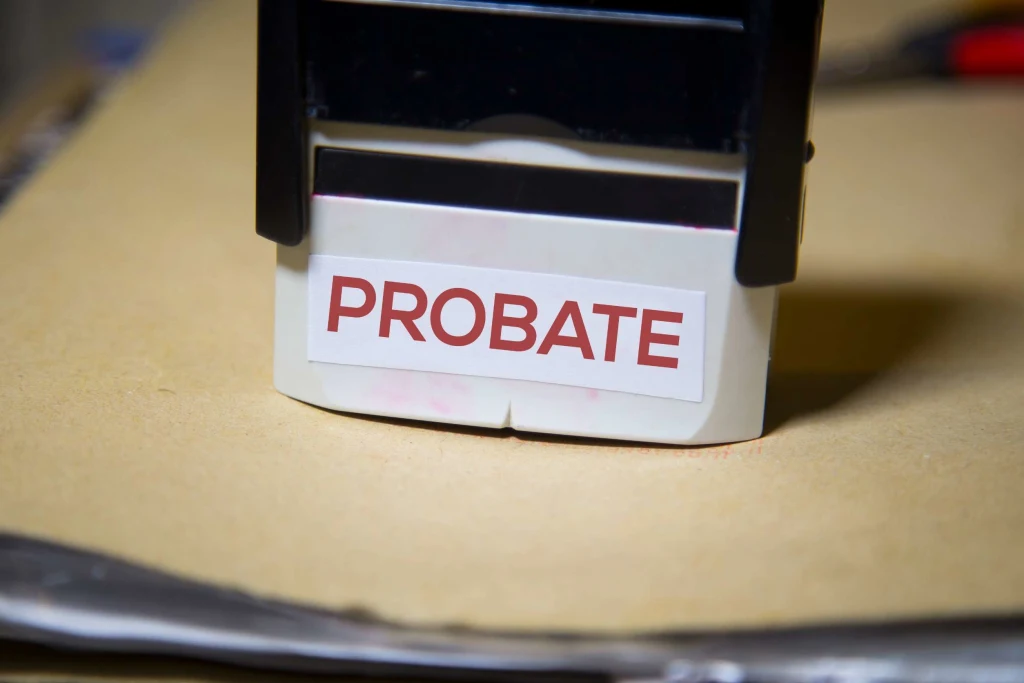
In Pennsylvania, the probate process is initiated by filing a petition with the Register of Wills in the county where the deceased owner resided.
Once validated, the court will appoint an executor or administrator. This individual will manage the estate, which includes identifying assets and assigning value, settling any outstanding debts or taxes, and distributing what’s left over to the heirs or beneficiaries.
The probate process can take anywhere from a few months to a year or more. Because of this, it’s important to try and stay as organized as possible, particularly when it comes to paperwork and other documentation, which we will cover in detail below.

Once you’ve initiated probate, you’ll need to start inventorying and assigning value to the inherited property. In the case of an inherited home, it’s essential to have a professional appraisal done as soon as possible. This helps to establish the property's fair market value and sets the tax basis, which becomes important when the property is eventually sold. (We’ll go into more detail on this below.)
Next, you’ll need to decide whether to invest in repairs or renovations to the property, or if it’s better to simply sell it As-Is.
In most cases, people who inherit homes choose to sell them quickly to minimize the time, effort, and money required for upkeep. If you decide to make improvements, remember that you'll be responsible for covering the property's expenses until it sells.
In Pennsylvania, a new deed will need to be prepared, showing the transfer of ownership from the decedent to the heir or beneficiary. The new deed must be signed, notarized, and recorded with the county recorder of deeds where the property is located. You may want to enlist the help of a deed transfer attorney to make sure you cover all your bases.

It’s not uncommon for an inherited home to come with existing debts, especially when someone passes away unexpectedly. There may also be existing liens on the property. These obligations must be satisfied prior to selling. Start by contacting the mortgage lender to request a payoff balance, and check with the local records office to inquire about any liens or unpaid taxes.
According to Pennsylvania’s disclosure law, sellers must disclose certain details about the property to potential buyers. Specifically, the seller must bring to light all known material defects about the property that are not readily observable and that may impact the home’s value.
Fortunately, the state’s legislature has exempted certain sellers from this obligation. Namely, those who have never lived in the house and therefore wouldn't be familiar with its defects.
If you fall into this category, it’s in your best interest to complete the disclosure form anyway, to the best of your knowledge and ability. We recommend consulting with a real estate attorney to determine your obligations and avoid potential legal pitfalls.


Before you can proceed with the sale of the property you’ve inherited, you’ll need to gather the necessary documentation. In Pennsylvania, this includes the following:

When it comes to selling an inherited home, there are a few different options. The most common include:
One option is to sell your home on your own. Here are a few specific pros and cons to consider for FSBO:
Pros:
Cons:
Enlisting the help of a real estate agent is another option for selling inherited property in Pennsylvania. Of course, this option also comes with a few benefits and downsides as well.
Pros:
Cons:
The third option is to work with an established cash buyer. These types of sales are typically handled much faster, but they do have their own advantages and disadvantages to consider.
Pros:
Cons:

Inheriting a home alone can be challenging, but adding multiple people, personalities, and emotions can make it even more complicated. Issues can arise, especially if one or more co-owners decide against selling or refuse to sign probate documents.
In Pennsylvania, not all owners must agree in order to sell inherited property, but if one or more are refusing, you may need to get the courts involved. This is typically handled through what’s known as a partition action.
Even if all owners do agree to sell, you’ll then face the issues of when, how, and for how much.
If you’re trying to sell a home with multiple owners and you’re at an impasse as to how to move forward, it may be worth enlisting the help of a mediator who is experienced in these types of situations.

In Pennsylvania, a property cannot legally be sold unless it has clear title. This means ownership must have been transferred and there are no existing liens, disputes, or encumbrances.
When individuals inherit property from a deceased loved one, they often face challenges such as settling outstanding debts, negotiating with creditors, and handling liens or other legal matters. If you're dealing with a particularly complex situation, a real estate attorney can provide guidance through the process and ensure everything is properly addressed.

Unfortunately, many homes are in poor condition by the time they are inherited. If you’re planning to sell and the home requires extensive repairs, you may face expenses running into tens of thousands of dollars just to bring it up to a marketable condition—and these costs would be out of pocket.
Additionally, you’ll need to cover ongoing expenses while you work on repairs, which may include a mortgage and other household costs. These can really start to add up.
This is why many people in Pennsylvania opt to sell inherited property to a cash buyer. Although the sale price might be slightly below market value, there’s no need for upfront repair costs. Plus, because these transactions tend to happen quickly, there are fewer ongoing upkeep expenses to worry about.
Some investors will even buy the property with all belongings left inside, making it an especially appealing option in hoarding situations. The seller can walk away with cash in hand, while the buyer handles the entire cleanout process.

As mentioned, most inherited properties in Pennsylvania go through probate, which can be a long and costly experience. Fortunately, there are a few ways to avoid this:
If you are in the process of planning your estate and are considering one of the above avenues to help your heirs avoid probate, we recommend consulting with an experienced estate attorney and/or a qualified financial advisor to cover all your bases.
or call us at 855-659-3289
Searching and Processing Address