
Last Updated : August 25, 2025 by Cameron Smith
Navigating the sale of an inherited home can be both emotional and complicated. Alongside the grief of losing someone close, you may be dealing with a maze of legal, tax, and financial obligations that can feel daunting.
If this is your first time managing an inherited property, it’s perfectly normal to feel uncertain about what comes next. The good news is, we’ve simplified much of the process for you.
This comprehensive guide outlines the essential steps to selling inherited property in New Mexico, helping you take the next step with more confidence and a bit less worry.

Inherited property includes anything a person passes down to their heirs or beneficiaries after death. These things can range from assets like real estate, vehicles, and bank accounts to personal items that may not hold monetary value, but are sentimental in nature, such as jewelry, heirlooms, or photo albums.
In New Mexico, when someone passes away and their estate is valued at more than $50,000, the assets may need to go through probate. This is a court-supervised process that involves identifying assets, settling any outstanding debts, and distributing the remaining estate to the appropriate heirs.
If you're planning to sell inherited property in New Mexico, understanding the process from the outset can help everything go more smoothly. Here’s a look at the first steps to take after your loved one has passed.
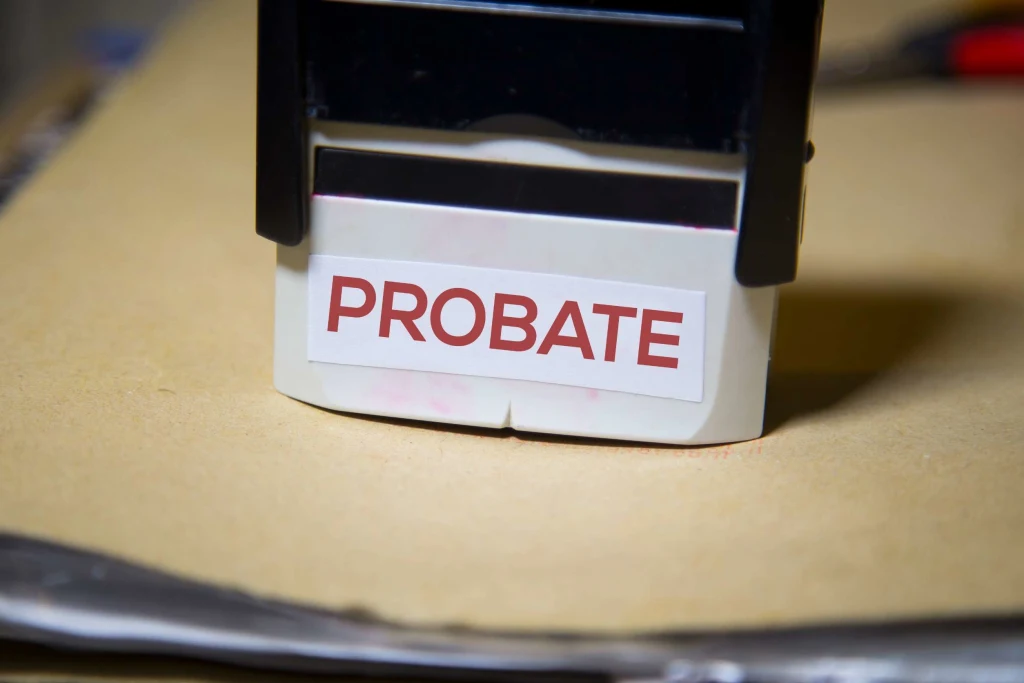
The first step in selling inherited property is to initiate the probate process. If the will is clear and uncontested, the probate process can typically begin in the county probate court through a formal petition. However, if the will is disputed, its legitimacy is in question, or other legal complications arise, the case must instead be brought before the district court.
During probate, the court appoints a personal representative to manage the distribution of assets to beneficiaries. This person is usually named in the will, but if the will is contested or other legal concerns are present, the court may appoint someone else.
In New Mexico, there are two types of probate:
If you’re unsure which type of probate you should be filing, an estate attorney should be able to provide more guidance.
The probate process can take a minimum of six months but up to a year or more, depending on the size and complexity of the estate. While probate is in process, it is imperative that you remain as organized as possible.

Once the probate process is underway, the next step is to assess the value of the property. Hiring a certified appraiser is essential here, as an accurate valuation plays a key role. Not only does a professional appraisal help you determine the fair market price for the home, but it also provides a necessary foundation for calculating taxes (which we’ll cover below).
The next step is getting the property ready to list. This often involves removing personal belongings, giving the home a thorough cleaning, and deciding whether any repairs or updates are worth pursuing.
Keep in mind that while upgrades can increase the home’s market value, as the new owner, you’ll be covering those renovation costs yourself. You’ll also be on the hook for ongoing expenses such as mortgage payments, utilities, and insurance until the sale is complete.
Like in every other state, New Mexico law requires that the title of an inherited property be formally transferred to the new owner before the home can be legally sold. This title transfer is usually completed as part of the probate process.

Inherited properties can occasionally come with financial or legal burdens, such as existing home equity loans or liens. These obligations must be addressed before the home can be sold. To determine whether any of these issues apply to your property, reach out to the county clerk’s office where the home is located and request a title search.
In the state of New Mexico, sellers of residential real estate are required by law to disclose any material defects associated with the property. This is done in writing using an Adverse Material Facts Disclosure Statement.
The International Association of Certified Home Inspectors defines a material defect as "a specific issue with a system or component of a residential property that may have a significant, adverse impact on the value of the property or that poses an unreasonable risk to people."
Some of the issues that must be disclosed include:
Failure to comply with the state’s disclosure requirements could expose you to legal claims of breach of contract, misrepresentation and/or fraud. In other words, if you’re not honest, you could end up with a serious and costly mess on your hands.



To help make the selling process more efficient, it’s a good idea to gather all required documents ahead of time. Below is a list of essential paperwork you’ll need:
Valid Government ID
Proof of Inheritance
Certified Death Certificate
Title and Ownership Records
Property Tax Documentation
Gathering this paperwork in advance can prevent hold-ups and help the entire sales process run more smoothly from start to finish.

When selling inherited property in New Mexico, you’ll have a few different routes to consider. Below are three of the most common options, each with its own advantages and potential drawbacks:
Opting to sell the home on your own, without a real estate agent, can save you money—but it also adds a certain degree of complexity.
Pros:
Cons:
Hiring a licensed real estate agent can take much of the burden off your shoulders, though this too could come at a certain cost.
Pros:
Cons:
Selling directly to a cash buyer can be the most straightforward and speedy solution, especially if you're hoping to sell quickly.
Pros:
Cons:
Selling inherited property in New Mexico may not be as straightforward as you may hope—particularly if you are dealing with one or more of the following scenarios.

When a property is inherited by multiple heirs, managing the sale can become challenging—both emotionally and logistically. Conflicts may surface if some heirs are reluctant to sign probate documents, oppose selling the home, or let emotions override financial logic.
Even when all parties agree to sell, differing opinions on the sale price, timing, or listing strategy can create further delays and complications. If conversations amongst heirs start to break down, involving a neutral third party can help keep things on track.
Mediation offers a confidential and safe space for resolving disputes, helping families reach agreements without the cost and stress of drawn-out legal battles.
For the best results, choose a mediator who has experience working with estate and inheritance-related cases.

In New Mexico, an inherited property can't be sold until the title has been fully cleared—a step that’s essential but not always simple. Inherited homes may come with issues like unpaid property taxes, outstanding liens, or other legal disputes that can stall or complicate the sale.
If you’re facing title-related challenges or questions about ownership, partnering with a seasoned real estate attorney can make a big difference. Their expertise can help resolve legal roadblocks and keep the selling process on track.

Inherited homes often fall into disrepair—especially if the former owner was elderly or dealing with long-term health issues. By the time the property changes hands, it may require significant renovations just to make it livable.
The cost of restoring a neglected home can be steep, sometimes running into the tens or even hundreds of thousands of dollars. Meanwhile, you'll still be responsible for ongoing expenses like property taxes, insurance, and utilities—even if the home sits vacant.
Because of this, many heirs choose to sell their inherited property As-Is to a trusted cash buyer. These buyers purchase homes in any condition, sparing you the burden of repairs, deep cleaning, and staging. In fact, if the home’s condition prevents it from qualifying for a traditional mortgage, a cash sale may end up being your only option.
Some cash buyers even provide property cleanout services, which can be particularly beneficial if the home is packed with years of accumulated belongings or if there are hoarding-related issues.

As mentioned earlier, most inherited properties in New Mexico must go through probate, which can be time-consuming and costly. Fortunately, there are several proactive strategies that property owners can use to avoid probate and make it easier for heirs to inherit real estate. Here are a few options:
It’s important to note that these strategies must be put in place while the original owner is still alive. If you or a family member are considering these probate-avoidance options, it’s advisable to consult with an experienced estate planning attorney or financial advisor to ensure everything is set up properly.
or call us at 855-659-3289
Searching and Processing Address