
Last Updated : August 28, 2025 by Cameron Smith
Inheriting a home can be both emotionally overwhelming and logistically challenging. Along with processing the loss of a loved one, you may suddenly be faced with complex legal documents, complicated financial choices, and confusing tax matters.
Read on to learn how to sell inherited property in Wyoming so you can move forward with clarity, confidence, and a little less stress.

Inherited property includes any assets left to beneficiaries after someone’s death. This can range from high-value items like real estate, vehicles, and investment accounts to deeply personal belongings such as photo albums, heirlooms, or cherished mementos.
In Wyoming, most estates must go through probate, which is a court-supervised process that ensures debts are paid, taxes are handled, and the deceased’s final wishes are honored according to state law.
If you’re preparing to sell inherited property in Wyoming, having a solid understanding of the legal and financial steps ahead can help reduce stress and bring clarity. Here’s what you can expect as you navigate the process.
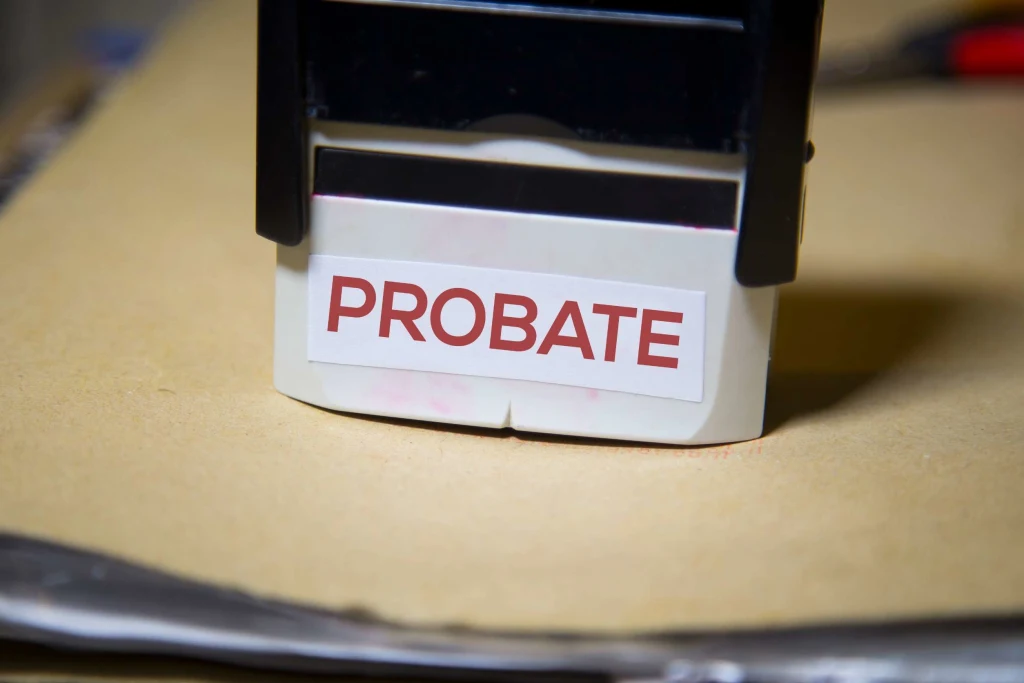
The first step is to initiate probate, which is done by filing a petition with the District Court in the county where the decedent resided at the time of their death. Along with the petition, you will also need to include the original will (if one exists), a certified copy of the death certificate, a list of the decedent's assets and their approximate value.
Once the necessary paperwork has been submitted, the court will appoint a personal representative (also known as an executor or administrator) to manage the estate’s affairs. This role may involve gathering and valuing assets, settling outstanding debts, and distributing what remains to the rightful heirs.
In the state of Wyoming, there are three primary types of probate:
If you’re uncertain about which type of probate to pursue, consulting an estate attorney can provide the guidance you need to choose the right path.
In Wyoming, the probate process can range from six months to several years, depending on the size and complexity of the estate, as well as whether any disputes arise. Keeping detailed records and staying organized throughout will help ensure the process runs as smoothly as possible.

Once probate is underway, the next important step is determining the value of the inherited property. This usually means hiring a certified appraiser to conduct a thorough, unbiased evaluation of the home.
Not only does a professional appraisal provide a clear picture of the property's current market value, which is crucial information for making informed decisions about what to do next, but it also plays a key role in understanding any potential tax consequences, which we’ll cover in more detail later in this guide.
After the appraisal is finished, the next essential step is getting the property ready to list. This typically involves removing personal belongings, giving the home a thorough cleaning, and deciding if any repairs or updates could enhance its appeal to potential buyers.
It’s important to note that while some improvements could increase both market interest and sale price, as the new owner, you will be responsible for covering those expenses. You'll also need to handle ongoing costs—such as the mortgage, utilities, insurance, and property taxes—until the property is sold.
Wyoming law mandates that inherited real estate cannot be sold until the legal title is officially transferred into the new owner’s name. This transfer of ownership typically occurs during the probate process and must be completed before the property can be listed for sale.

Inherited real estate may come with unexpected financial or legal hurdles, such as unpaid property taxes, outstanding mortgages, or liens on the title. These matters must be settled before the property can be sold. To identify any potential issues early on, it’s wise to obtain a title search through the county clerk’s office where the property is situated.
Wyoming is one of the few states that still follows the old common law rule of “caveat emptor,” which translates at “let the buyer beware.” What this means is that sellers are required to disclose very few things about the property and buyers must ask the right questions and have the home professionally inspected before purchasing.
That said, if a prospective buyer asks questions, the seller cannot lie or intentionally do anything to hide the truth. While not mandatory, sellers can choose to complete a disclosure form to build trust with buyers.



To keep the sales process running smoothly and avoid any last-minute surprises, it’s a good idea to gather all essential documents early on.
Here’s a checklist of key paperwork you’ll need when selling inherited property in Wyoming:
Government-Issued Photo ID
Inheritance Documentation
Certified Death Certificate
Proof of Ownership and Title Records
Property Tax Records

When it comes to selling inherited property in Wyoming, there are a few different routes you can take. Each option has its own advantages and drawbacks, so the best choice depends on your goals, timeline, and how involved you want to be in the process.
Here are the three most common ways to sell an inherited home in Wyoming:
Selling the property yourself means skipping agent commissions, but it also means managing every aspect of the sale on your own, which can be demanding.
Pros:
Cons:
Hiring a licensed real estate agent—ideally one experienced with inherited properties in Wyoming—can make the process smoother and less stressful.
Pros:
Cons:
If you're looking for speed and simplicity, selling to a cash buyer may be the best route. Just be sure to vet any offers carefully.
Pros:
Cons:
Choosing the right path depends on what matters most to you, whether it’s maximizing your return, saving time, or reducing stress.
Selling inherited property in Wyoming may not be as simple as you may hope, particularly if you are dealing with one or more of the following scenarios.

When a property is inherited by multiple heirs, the process of selling can become significantly more complicated, both emotionally and logistically. Conflicts may surface if one heir is unwilling to sign probate paperwork, opposes the sale altogether, or allows personal feelings to influence practical decisions.
Even when all parties agree to sell, differing views on pricing, timing, or marketing strategies can create additional tension and slow things down. When communication breaks down, bringing in a neutral third party can help resolve disputes and keep the process on track.
Mediation provides a confidential, structured environment where families can work through disagreements with the guidance of a trained facilitator. It’s often a less confrontational and more cost-effective option than pursuing legal action in court.
For the best outcome, look for a mediator with experience in estate or inheritance matters; someone who understands both the legal complexities and emotional sensitivities involved in selling jointly owned property.

In Wyoming, a home can’t be sold until the property title is completely clear of any encumbrances. Unfortunately, clearing a title isn’t always simple. Inherited properties can come with unexpected issues, such as unpaid property taxes, outstanding liens, or unresolved legal claims. These things can delay or even prevent the sale from moving forward.
If you’re unsure about the current status of the title or suspect there might be complications, consulting a real estate attorney is a smart move. An experienced attorney can help identify and resolve title problems early, ensure your legal documents are in order, and guide you through the selling process with greater confidence and fewer roadblocks.

Inherited homes are often far from turnkey, especially if the previous owner struggled with health issues, financial constraints, or age-related challenges that made regular maintenance difficult. By the time the property is passed along to the heirs, it may require significant repairs or renovations just to bring it up to livable standards.
Restoring a neglected home can be expensive, sometimes costing tens—or even hundreds—of thousands of dollars. And while renovations are underway, the new owner is still responsible for ongoing costs like property taxes, homeowners insurance, and utility bills, even if the house remains unoccupied.
Given these financial burdens, many heirs opt to sell the property As-Is to a reputable cash buyer. These buyers specialize in purchasing homes in any condition, eliminating the need for repairs, cleaning, or staging. In cases where the home wouldn’t qualify for traditional financing due to its poor condition, a cash sale might not just be the most convenient route; it could be the only viable option.
Some cash buyers even offer cleanout services, which can be a major relief when faced with clutter, hoarded items, or decades of accumulated belongings.

As mentioned earlier, most inherited real estate in Wyoming must go through probate, which can be time-consuming and costly. Fortunately, there are several proactive estate planning tools that can help bypass probate entirely, making it easier for loved ones to transfer property during an already challenging time.
Here are three commonly used strategies to help avoid probate with inherited property:
It’s important to note that these options must be set up while the original owner is still living. If you're preparing your own estate or helping a loved one plan ahead, consulting an experienced estate planning attorney or financial advisor can ensure everything is properly structured and compliant with Wyoming law.
or call us at 855-659-3289
Searching and Processing Address