
Last Updated : December 19, 2025 by Chris Bibey
Selling a house As-Is in Pennsylvania is a common and legally recognized strategy, especially for older homes, inherited properties, rentals, and houses that need repairs.
Across the state, from Philadelphia and Pittsburgh to Harrisburg, Allentown, Scranton, Erie, and smaller boroughs and townships, sellers routinely choose As-Is sales to avoid renovation costs and reduce complexity.
Pennsylvania is a disclosure-heavy state compared to some others. While As-Is allows sellers to refuse repairs, it does not remove disclosure obligations or shield sellers from liability for known defects. Buyers in Pennsylvania also inspect aggressively, particularly in markets dominated by older housing stock and mixed construction eras.
This guide explains what As-Is really means in Pennsylvania, how state disclosure laws work, how pricing and inspections differ by region, and how to structure an As-Is sale that closes without unnecessary risk.
Selling a house As-Is in Pennsylvania means the seller is offering the property in its current condition and does not intend to make repairs, replacements, or upgrades before closing. The buyer agrees to accept the home with its existing defects, subject to inspection rights outlined in the contract.
As-Is does not mean:
In Pennsylvania, As-Is primarily affects repair responsibility, not legal duties. Buyers can still inspect the home, request credits, or walk away depending on contract terms. The seller is simply not obligated to fix issues discovered during inspections.
In practice, As-Is in Pennsylvania works best when the price reflects condition and disclosures are complete upfront.
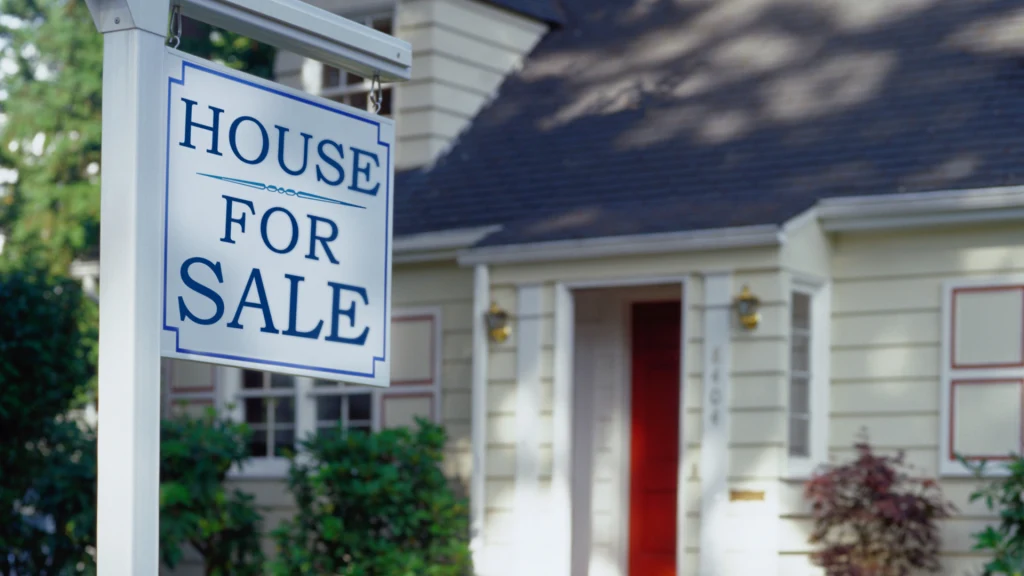
Yes. Selling a home As-Is is fully legal in Pennsylvania.
However, Pennsylvania has one of the more comprehensive seller disclosure requirements in the country. Most residential sellers must complete and deliver a Seller’s Property Disclosure Statement before the buyer signs an agreement of sale.
This requirement applies even when the home is clearly marketed and sold As-Is.
Failing to provide the disclosure on time can give the buyer the right to terminate the contract.
Pennsylvania’s Real Estate Seller Disclosure Law requires sellers of most one- to four-unit residential properties to disclose known material defects using a standardized Seller’s Property Disclosure Statement.
This form is extensive. It covers:
Unlike states that rely on general case law, Pennsylvania uses this form as a central consumer protection tool. Buyers and inspectors treat it as a roadmap for inspections.
Using “Unknown” is allowed when information is genuinely unknown, but misuse can raise red flags and reduce buyer confidence.
Selling As-Is does not change your obligation to complete the Seller’s Property Disclosure Statement accurately.
Key points:
As-Is protects you from repair demands, not from misrepresentation.
Pennsylvania has one of the oldest housing stocks in the country. Many homes in Philadelphia, Pittsburgh, Scranton, Wilkes-Barre, Reading, and Harrisburg were built before 1950.
This affects As-Is sales because:
Buyers expect condition problems in older Pennsylvania homes, but they price aggressively when surprises appear. Transparent disclosures help keep deals together.
Basements are common across Pennsylvania and are a frequent source of inspection concerns.
Common basement-related disclosures include:
In areas like Pittsburgh, where hillside construction is common, drainage issues can materially affect value. In eastern Pennsylvania, older stone foundations are common and often raise inspection questions.
Known water issues must be disclosed, even if mitigated.
Homes built before 1978 are subject to federal lead-based paint disclosure requirements.
Sellers must:
This applies regardless of whether the home is sold As-Is.
In cities like Philadelphia, Reading, and Allentown, buyers are especially sensitive to lead issues due to local enforcement and rental regulations.
Pennsylvania’s climate supports termites and other wood-destroying insects, particularly in the southeastern and south-central regions.
The Seller’s Property Disclosure Statement includes specific questions about:
Known termite damage must be disclosed, even if treated. Many buyers still order separate termite inspections during the contingency period.
Older Pennsylvania properties may have:
Underground storage tanks are a significant disclosure issue, especially in rural areas and older suburbs. Buyers often require testing or documentation before proceeding.
Many homes outside major cities rely on private septic systems and wells.
Common buyer concerns include:
Failing or outdated septic systems can materially affect pricing and buyer willingness to proceed in As-Is sales.
Certain Pennsylvania regions have a history of coal mining, including parts of northeastern and western Pennsylvania.
Known mine subsidence, sinkholes, or mining rights issues must be disclosed if applicable. These conditions can affect financing and insurance, especially for As-Is properties.
Pennsylvania has elevated radon levels in many counties, particularly in central and eastern regions.
The disclosure form includes radon-related questions, and buyers frequently request radon testing during inspections. High radon levels are common and not necessarily deal-killers, but undisclosed testing history can cause issues.
Understanding the boundaries of As-Is helps avoid disputes.
What As-Is changes:
What As-Is does not change:
Selling a house As-Is in Pennsylvania can be effective, but it is not always the best option.
Pros:
Cons:
Pricing As-Is homes in Pennsylvania requires understanding both condition and local market dynamics.
Key pricing factors include:
In Philadelphia and Pittsburgh, land value and neighborhood redevelopment trends often drive pricing. In rural markets, condition discounts tend to be steeper due to limited buyer pools.
Investor activity is strong in many Pennsylvania markets.
Common investor targets include:
Investors prefer As-Is homes because they can control renovation scope and timeline. Clean disclosures and realistic pricing attract stronger offers.
Traditional sales and As-Is sales in Pennsylvania operate differently.
Time to sell: As-Is sales often close faster when priced correctly.
Buyer profile: Traditional buyers want move-in-ready homes. As-Is buyers expect projects.
Financing: Homes with safety or structural issues may not qualify for conventional loans.
Negotiation: Traditional sales focus on repairs. As-Is sales focus on price.
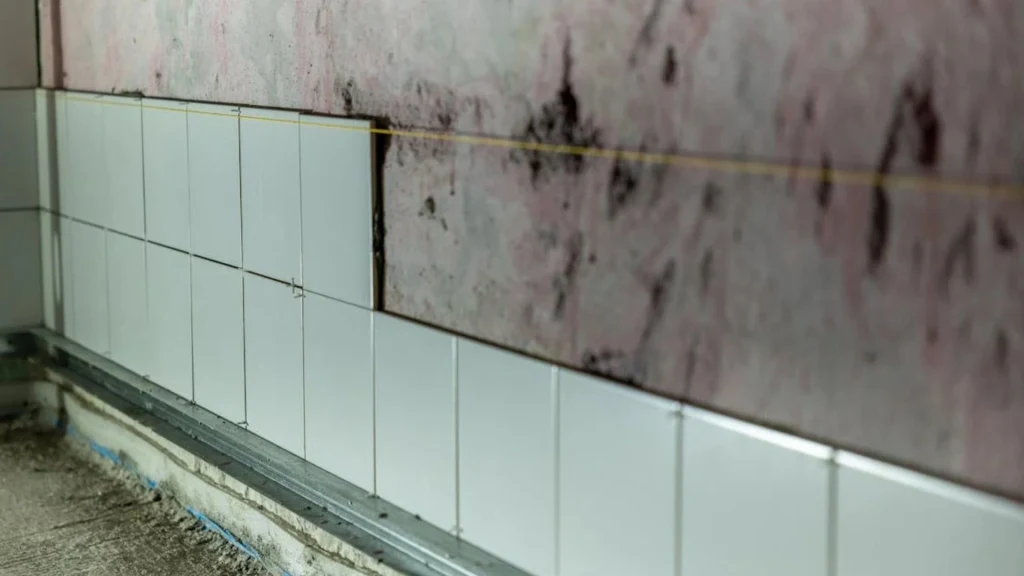
Pennsylvania buyers inspect thoroughly.
Common inspections include:
Inspection results often determine whether the buyer proceeds or exits during contingency periods.
Pennsylvania sellers typically pay:
Transfer taxes vary by municipality and are often split between buyer and seller, though this is negotiable.
As-Is sales are common in estate and probate situations. Many inherited homes need updates or are located far from heirs.
Disclosure obligations still apply, but executors often use “Unknown” where appropriate due to limited knowledge.
These are the most common questions Pennsylvania homeowners ask when considering an As-Is sale.
Yes. Most residential sellers must complete and deliver the disclosure regardless of sale type.
They can ask, but you are not obligated to agree.
Not necessarily. Pricing and disclosure quality matter more than condition alone.
Yes. Many Pennsylvania homes built before 1950 are sold As-Is due to system age.
Yes, but you must follow Pennsylvania landlord-tenant laws and honor existing leases.
Cash buyers are common in Pennsylvania As-Is transactions, especially in older urban markets and rental-heavy areas.
Cash buyers:
The strongest As-Is outcomes occur when pricing reflects reality, disclosures are accurate, and access is easy. If you're searching for a fast sale, regardless of condition, you may want to consider selling your PA home to a cash buyer.
or call us at 855-659-3289
Searching and Processing Address