
Last Updated : August 15, 2025 by Cameron Smith
Many people who inherit property in South Carolina choose to sell. There are plenty of legitimate reasons for this, but regardless of why, if you’re planning on selling a home you inherited, you’re probably wondering what the process will be like.
Fortunately, we’ve already done all the legwork for you. This comprehensive guide should answer all your most pressing questions and help make selling inherited property in South Carolina as smooth and uneventful an experience as possible.

Inherited property is a broad term that covers anything that is left from a deceased person to their heirs or named beneficiaries. This can include items of value, like vehicles and homes, as well as personal belongings that are sentimental in nature.
In South Carolina, the inheritance process typically involves a legal proceeding known as probate. This is when a court oversees the settlement of the decedent’s estate, including making sure that all outstanding debts are paid and any remaining assets are distributed to their rightful new owners.
If you recently inherited a home that’s located in SC and are planning to sell it, it’s important to understand what to expect so you can plan and prepare accordingly. Let’s explore this in greater detail below.
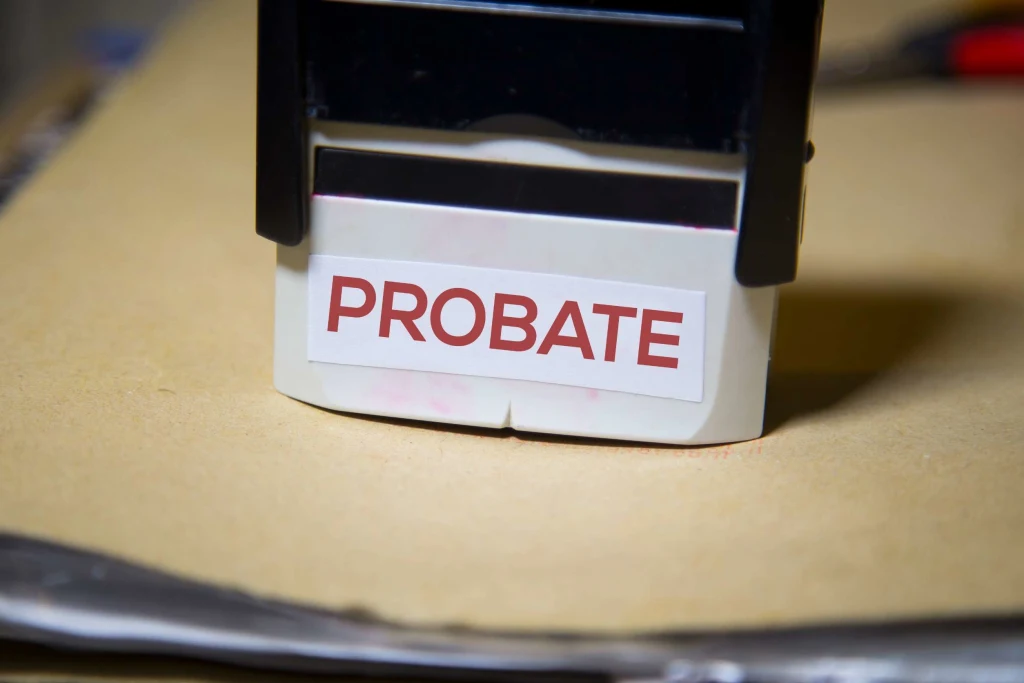
To start the probate process, an application must be filed with the probate court in the county in which the decedent lived. The application must be submitted along with a copy of the death certificate and the original will (if one exists).
In South Carolina, the probate process can take anywhere from several months to a year or more, depending on the circumstances and the complexity of the estate. It is in your best interest that you remain as organized as possible throughout this process.

The next step after initiating probate is to have the property professional appraised. This serves two purposes. First, it provides you with the fair market value of the home, so you’ll know how much to sell it for. And second, it establishes a basis for tax purposes. This will come into play when the property is sold, and we’ll go over the details of this below.
Another important step once you’ve inherited property in South Carolina is to determine whether you’re going to invest money into fixing it up (if necessary), or if you’d prefer to sell it As-Is.
Keep in mind that if you do decide to repair or renovate the home, you’ll be on the hook for all expenses associated with keeping up the home until it sells. This may include everything from mortgage payments and utilities to insurance and property taxes.
As with most states, South Carolina requires that a property’s title be officially transferred into the name of the heirs or beneficiaries before it can be legally sold. In most cases, this step is handled during the probate process, when the assets are distributed to their rightful new owners.

When you inherit a home, you also inherit any and all encumbrances associated with that property. This includes outstanding mortgage loans as well as liens that may have been placed on the home prior to the previous owner’s death.
These things must be settled before you can sell, so be sure to check with the lender as well as the local records office to determine what, if anything, you will need to take care of.
The law in South Carolina requires that any seller of residential real estate must provide a written disclosure statement outlining any known issues that could negatively impact the value of the property. This may include, but is not limited to:
Failure to provide this disclosure could result in legal implications.


Before you can sell inherited property in South Carolina, you’ll need to gather and/or prepare the following documentation:

There are several options for selling inherited property in South Carolina. The three most common include:
As the home’s new owner, you have the right to sell it without hiring a realtor. There are a few pros and cons to this option.
Pros:
Cons:
Another option for selling an inherited home in SC is to work with a real estate agent. Of course, this option also comes with a few caveats.
Pros:
Cons:
The third option is to work sell to an investor who is willing to purchase the property for cash. Here are a few benefits and drawbacks to this option.
Pros:
Cons:
Selling inherited property in South Carolina may not be as straightforward as it might initially seem—particularly if you find yourself dealing with one or more of the following scenarios.

If you’re not the only heir or beneficiary, the process of selling can become even more complicated. It’s not uncommon for one or more siblings to refuse to sign probate or dig in their heels and refuse to agree to sell.
If this is the type of scenario you are dealing with, you can either choose to force the sale through a legal process known as a partition action. Keep in mind, though, that involving the courts can make an already stressful situation even more contentious.
Instead, your best bet would probably be to find a mediator who is experienced in dealing with disputes over inherited property. They can usually defuse the tension, facilitate productive negotiations, and help all parties come to an amicable resolution without having to go through a time-consuming and costly legal battle.

As discussed above, a home cannot be legally sold in the state of South Carolina without clear title. If the property you’ve inherited has a lien or overdue property taxes, for instance, you will need to address and settle those things before you can place the home up for sale.
If you are dealing with a particularly complex situation or you’re just not quite sure how to proceed, it may be worthwhile to consult with an experienced real estate attorney. Again, try to look for someone who has specific experience with cases involving inherited property.

Another common issue that beneficiaries often face is that the inherited property is in severe disrepair. This is frequently the case when the decedent was elderly or in poor health prior to their death, and unable to keep up with the home’s maintenance.
In such a scenario, the inheritor must decide whether to spend the money required to fix the place up or sell it in its current condition. Most of the time, selling As-Is is the more practical choice, as it eliminates the need to invest additional time or money before the sale.
With the right cash buyer, you may even be able to sell the property without removing any of the belongings contained within. This is a particularly attractive option in hoarding situations or those in which the home is not habitable.

In South Carolina, most inherited property is required to go through probate, which takes time and can be costly. Fortunately, there are a few ways to get around this, such as the following:
Most of these things must be set up prior to death. If you're in the process of planning your estate and considering one of these options to help your heirs avoid probate, we strongly recommend consulting with an experienced estate attorney or a qualified financial advisor for personalized guidance.
or call us at 855-659-3289
Searching and Processing Address