
Last Updated : August 25, 2025 by Cameron Smith
Selling an inherited home can be a daunting task. Not only do you have to manage the emotions of having recently lost a loved one, but then there are the legal and financial aspects to consider.
Simply put, the process can be complex and confusing. Fortunately, we’ve already done the research and put together this comprehensive guide, which covers everything you need to know about selling inherited property in Utah.

Inherited property can be anything that is handed down from a deceased person to their heirs or beneficiaries. This includes things of value, such as vehicles and real estate, as well as items that are only sentimental in nature, like pictures or other personal mementos.
In the state of Utah, most inheritances must pass through a legal process known as probate, through which the court oversees the settlement of a person’s estate. This process involves inventorying and valuing assets, paying any outstanding taxes or debts, and distributing the remaining property to its rightful new owner(s).
Before selling inherited property in Utah, it’s important to know what to expect so you can be better prepared for what’s to come. Let’s begin by going over the initial steps you should take once you’ve been informed of your loved one’s passing.
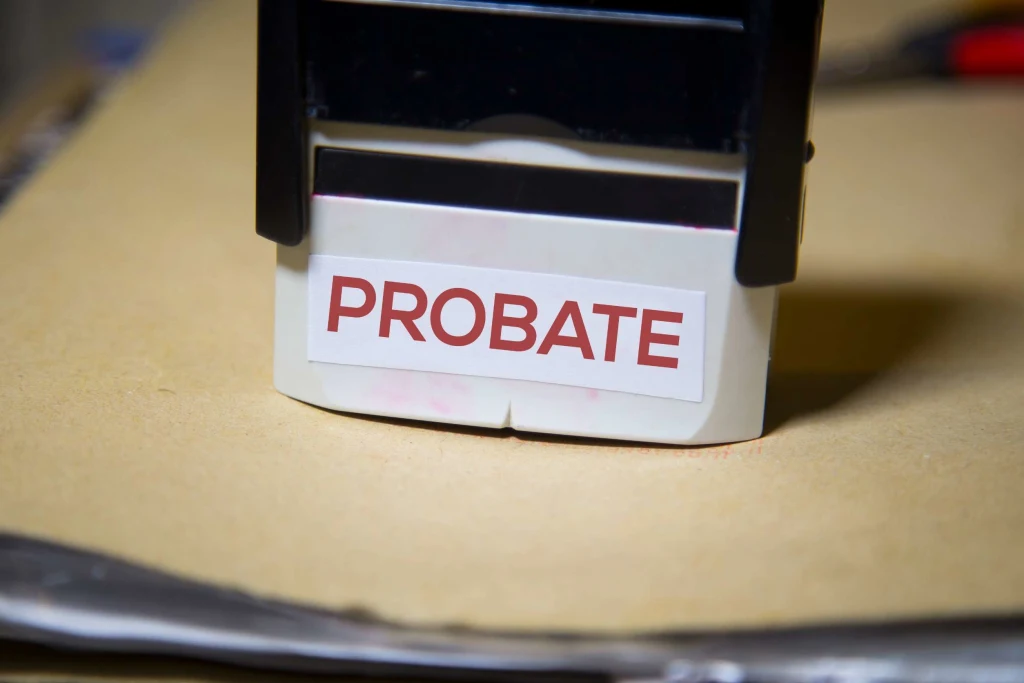
The first step in selling your inherited property is to start the probate process. This is done by filing a petition with the probate court, along with the death certificate and the will (if one exists). This must be done within three years of the decedent’s death.
In Utah, there are two types of probate:
If you’re unsure which type of probate you should be petitioning, you may want to consult with an estate attorney. In most cases, when real estate is involved, formal probate is required.
In Utah, probate can take anywhere from four to 18 months, depending on the size and complexity of the estate. During the probate process, you’ll want to stay as organized as possible.

Once probate has been petitioned, your next task will be to determine the value of the home. This information will serve two purposes: first, it will help you decide how much to sell the property for, and second, it will establish a basis for tax purposes (more on that later).
To ensure accuracy, the appraisal should be performed by an experienced real estate professional.
With a formal appraisal in hand, the last step will be to get the property ready for sale. This may include clearing out all remaining belongings from the home, as well as deciding whether or not to invest in any repairs or renovations to the property.
Keep in mind that while the latter may increase the home’s value, any and all costs associated with those updates will come out of your pocket. You’ll also be responsible for ongoing expenses until the property sells, such as mortgage payments, property taxes, and utility bills.
In the state of Utah, you cannot legally sell an inherited home until its title has officially been transferred into the name of its new owner. This step is typically handled during the probate process.

When you inherit a home, you may also inherit certain obligations that are associated with that home. This may include existing loans as well as liens and other legal obligations. These things must be taken care of before you can sell. To determine if any such encumbrances exist, check with the clerk in the county where the property is located.
In Utah, sellers of residential real estate are required by law to disclose certain information about the status and condition of the property. This is done in writing through a Seller’s Property Condition Disclosure form. Specifically, sellers must disclose any known material defects with the home’s structure and major systems.
According to the International Association of Certified Home Inspectors, a material defect is defined as "a specific issue with a system or component of a residential property that may have a significant, adverse impact on the value of the property or that poses an unreasonable risk to people."
Some of the issues that must be disclosed include but are not limited to:
Failure to comply with the state’s disclosure requirements could result in potential legal issues, fines, and a bunch of other serious consequences you probably don’t want to deal with.



To make the process as smooth and efficient as possible, you'll need to have several key documents readily available. Here’s what to gather in advance:
Personal Identification
Verification of Inheritance
Official Death Certificate
Property Ownership Records
Tax Documentation
Having these documents prepared and ready to go ahead of time will streamline the process and help prevent potential delays or complications.

When it comes to selling inherited property in Utah, there are several different options. The three most common are as follows:
This first option is to sell the property on your own, without working with a real estate agent. Of course, this approach has certain advantages and disadvantages.
Pros:
Cons:
Another option is to sell the property with the help of a real estate professional. This approach comes with its own upsides and drawbacks to consider.
Pros:
Cons:
The third option is to sell the home to a cash buyer for a lump-sum payment. This option has some perks, as well as a few trade-offs.
Pros:
Cons:
Selling inherited property in Utah may not be quite as straightforward as you may hope, particularly if you are faced with one or more of the following situations.

When multiple beneficiaries inherit a property, what initially seems like a simple process can quickly become complicated and emotionally charged. Conflicts often arise when one heir refuses to sign probate documents, doesn’t want to sell, or prioritizes emotions over financial practicality.
Even when all parties agree to sell, secondary disagreements about the timing and logistics can create additional friction.
If you and your co-heirs have reached a standstill, enlisting the help of a professional mediator may be the most effective way to move forward. Mediation can help protect family relationships while minimizing the financial and emotional toll of a prolonged legal battle.
For the best outcome, seek a mediator with experience in estate settlements and inheritance conflicts.

In Utah, selling an inherited property isn't possible until the title is officially cleared. However, many inherited homes have liens or unpaid taxes that can complicate the process and cause delays.
If you're facing title challenges and are unsure how to move forward, an experienced real estate attorney could provide clarity and help streamline the process for a smoother sale.

Inherited homes often suffer from years of neglect, as elderly homeowners or those with health issues may have struggled to keep up with necessary repairs. By the time these properties are passed on to the decedent’s heirs, they can be in significant disrepair.
Restoring a home like this can be extremely costly, potentially running into the tens or even hundreds of thousands of dollars—expenses that would come directly out of your pocket. Meanwhile, ongoing costs like property taxes, insurance, and utilities will continue to add up, whether or not anyone is living in the home.
For many inheritors, selling to a trusted cash buyer provides a fast and practical solution. These buyers purchase homes in As-Is condition, eliminating the need for costly renovations before selling. In cases where the home’s condition is so deplorable that traditional lenders won’t approve a mortgage, a cash sale may be the only viable option.
Another key advantage of selling to a cash buyer is that some offer property cleanout services. If you've inherited a home filled with decades of accumulated belongings—or even facing a hoarding situation—this can help ease both the physical and emotional burden of having to clear it out yourself.

As mentioned previously, most inheritances in Utah must go through probate, a process that can be both time-consuming and expensive. Fortunately, there are a few legal strategies that can help bypass probate and allow for a smoother transfer of property:
To take advantage of these probate-avoidance tools, they must be established prior to the property owner’s passing. If you're looking for ways to simplify the inheritance process for your heirs, a knowledgeable attorney or financial advisor can provide valuable guidance.
or call us at 855-659-3289
Searching and Processing Address