February 5, 2026

Yes, you can add a room cheaply if you focus on using the space your home already has. The lowest-cost options usually include finishing basements, converting garages or attics, or building small bump-out additions.
Projects stay affordable when they limit structural changes, plumbing, and roof modifications. Understanding which additions deliver the most space for the lowest cost helps homeowners expand living areas without overspending.
What “Cheap” Really Means When Adding a Room

Cheap does not mean lowest bid, fastest timeline, or skipping permits and hoping no one notices. That version of cheap is how budgets collapse later. In the context of room additions, cheap means:
- Minimal structural changes
- Limited foundation work
- Simple rooflines
- Short plumbing runs or none at all
- Simple electrical work
- Predictable inspections
The more a project alters the structure of your home, the more expensive it becomes. The cheapest room additions are the ones that leave most of the house untouched.
Start With the Space You Already Own
The single biggest cost saver in any room addition is using square footage that already exists. When the structure is already there, you are not paying to create space. You are paying to make it usable. That difference alone can take tens of thousands of dollars off a project.
Finish an Unfinished Basement
Basements are often the most overlooked opportunity in a home. The foundation, exterior walls, and roof are already there, which means you’re paying for finishing work rather than construction from scratch. Basements work well for:
- Guest bedrooms
- Home offices
- Media rooms
- Playrooms
- Workout spaces
Cost considerations include moisture control, insulation, lighting, and whether the space meets egress requirements if it’s used as a bedroom. Even with those upgrades, finishing a basement is usually far cheaper than adding a new room above ground.
Convert a Garage
Garage conversions consistently rank among the cheapest ways to add a true room, especially when the garage is attached to the house. You avoid:
- New foundations
- Exterior framing
- Roofing costs
Instead, costs focus on insulation, drywall, flooring, and making the space feel integrated with the rest of the home.
Garage conversions are commonly used for:
- Bedrooms
- Home offices
- In-law suites
- Studios
One important tradeoff is resale. In some markets, losing a garage can hurt value. In others, additional living space matters more. This is where understanding your local market becomes important.
Add a Room Above the Garage
Adding a room above a garage is often cheaper than building a full ground-level addition because the foundation is already in place. In many homes, the existing exterior walls can also support vertical expansion, which reduces construction complexity.
That said, this option can still cost more than a simple garage conversion. Structural reinforcement, stair installation, and roof modifications can add up quickly. When the layout and structure allow for it, an above-garage addition can create valuable square footage without expanding the footprint of the home.
Finish or Convert an Attic
Attics can be one of the most cost-effective additions when conditions are right. An attic conversion works best when:
- Ceiling height already meets code
- The framing can support additional load
- Stair access can be added without major redesign
Attics are commonly converted into bedrooms, offices, or bonus rooms. The largest cost variables are structural reinforcement and access, but when those are manageable, attic conversions deliver significant value at a relatively low cost.
Repair Calculator
Should You Fix or Sell As-Is?
Estimate repair costs and compare your options: fix and list, sell As-Is, or get a cash offer.


Unlock the Full Calculator
When Adding On Makes Sense, Keep it Small and Simple

If existing space isn’t an option, the next cheapest path is a small, targeted expansion.
Bump-Out Additions
Bump-outs extend an existing room by a few feet rather than adding an entirely new structure. Because of their size, they often require simpler foundations and minimal roof changes. Bump-outs are commonly used to:
- Expand kitchens
- Add bathroom space
- Create room for closets or desks
They are frequently cited as one of the cheapest structural additions, especially when compared to full room builds.
Sunrooms and Enclosed Porches
Sunrooms and enclosed porches are often cheaper than traditional additions because they don’t always require the same level of insulation or structural complexity. They work well for:
- Sitting rooms
- Casual living space
- Home offices
To be used year-round, they must be insulated and permitted, which increases cost. Even then, they tend to remain more affordable than full additions.
Costs, design decisions, and mistakes that shape the final price
Before committing to any room addition, it helps to understand how costs are typically calculated, where design choices quietly add expense, and which common missteps tend to turn a “cheap” project into an expensive one.
Cost Per Square Foot: What to Expect
Top-ranking articles explicitly include cost ranges, and so should you. Typical room addition costs range from $80 to $250 per square foot, depending on:
- Location
- Complexity
- Finishes
- Labor costs
Bump-outs often fall on the lower end of that range, while full additions and above-garage rooms trend higher. The wide range exists because every additional layer of complexity adds cost quickly.
Design Choices That Keep Costs Down
Design simplicity is one of the most effective cost controls available. Budget-friendly design choices include:
- Rectangular room shapes
- Standard window and door sizes
- Aligning new walls with existing walls
- Avoiding vaulted ceilings
- Limiting custom finishes
The simpler the design, the fewer expensive surprises you’ll encounter during construction.
Common Mistakes That Make “Cheap” Expensive
These mistakes show up again and again:
- Overbuilding for the neighborhood
- Moving plumbing unnecessarily
- Changing plans mid-project
- Choosing the lowest bid without vetting
Avoiding these errors often saves more money than any cost-cutting tactic.
Ways to Reduce Costs Before you Build More Space
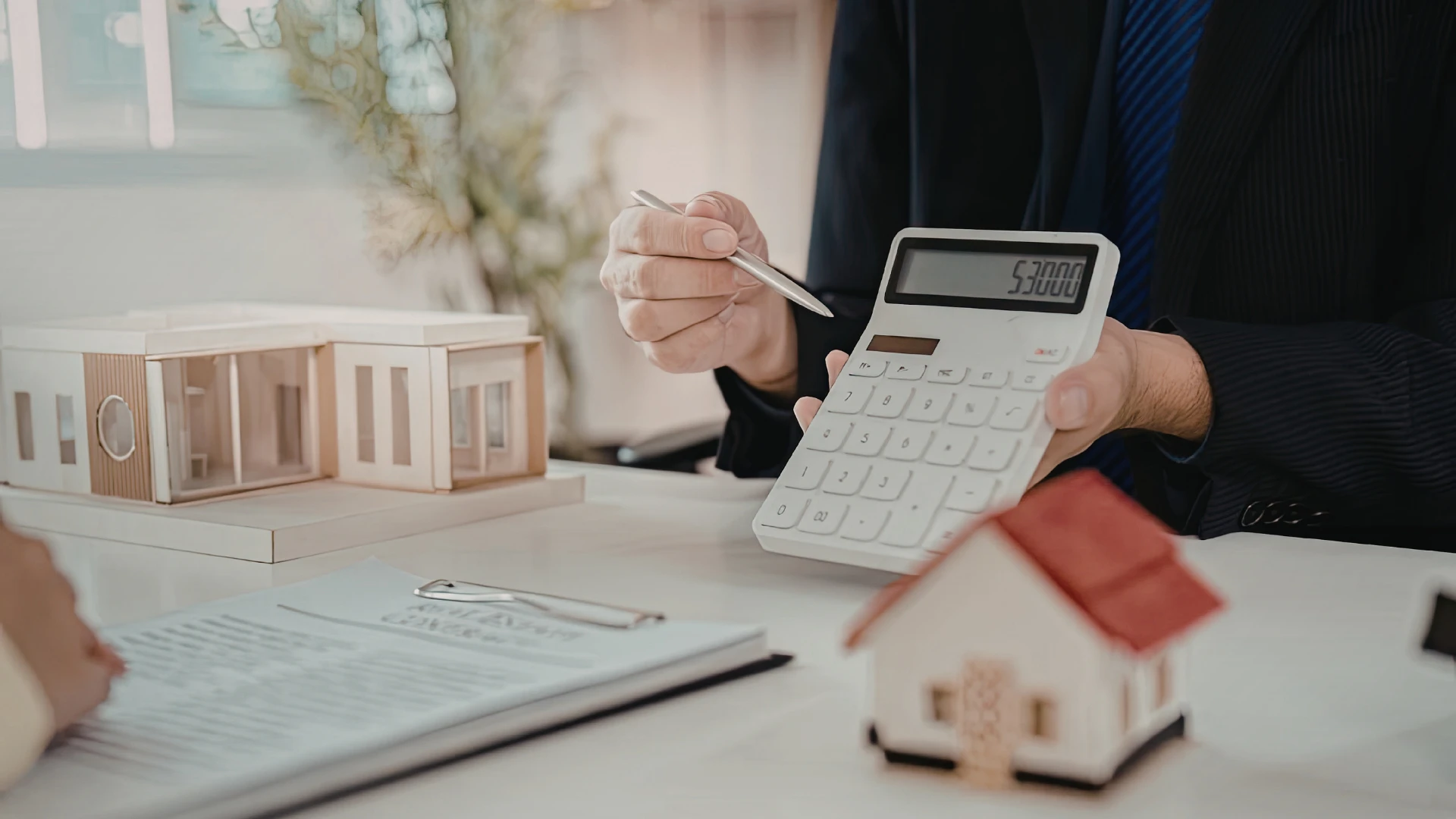
Before committing to a full addition, it’s worth looking at strategies that reduce how much you need to build in the first place or lower the cost of the work itself.
Open up Space Instead of Adding
Before building anything, consider whether removing a wall solves the problem. Taking out a non-load-bearing wall can improve flow, create more functional zones, and in some cases eliminate the need for a new room altogether. This approach works best when the issue is layout rather than square footage. It is not a good fit when privacy, sound separation, or clearly defined rooms are required.
DIY Can Only Take You So Far
DIY savings are real, but they are situational. Painting, flooring installation, and trim or finish work are often good candidates for hands-on involvement, especially when the work is cosmetic and easy to redo if needed. Structural changes, electrical work, plumbing, and anything requiring inspection should be left to licensed professionals. Cheap work that has to be redone is never cheap.
Reuse and Repurpose Materials
Reusing and repurposing materials is one of the simplest ways to cut costs on a room addition. Reclaimed wood, salvaged doors, fixtures, and cabinetry can significantly reduce material expenses while adding character to the space. Habitat ReStores, architectural salvage yards, and surplus building suppliers are often good sources for quality materials at a fraction of retail prices.
Decisions that protect your budget and resale value
Cost control does not end once construction begins. Timing, compliance, and resale considerations all play a role in whether a room addition stays affordable long-term.
Timing Matters More Than you Think
Construction costs fluctuate throughout the year, which means timing can have a real impact on your budget. Scheduling work during slower seasons often reduces labor costs, while ordering materials in advance can help avoid price spikes and supply delays. Getting multiple contractor bids early in the planning process also creates leverage. Small timing decisions may seem minor on their own, but together they can make a meaningful difference in the final cost.
Permits and Codes Still Apply
Skipping permits may feel like a shortcut, but it is one of the most expensive mistakes homeowners make. Unpermitted additions can lead to fines, forced demolition, and serious delays or failures when it comes time to sell the home. Confirming permit requirements early keeps the project on solid ground and avoids costly fixes later.
When Adding a Room Cheaply Doesn’t Make Sense
Even with careful planning, there are situations where adding a room simply isn’t the most practical or cost-effective option. Structural limits, rising construction costs, or a timeline that won’t allow for permits and build-outs can all change the math. In those cases, selling the home As-Is and moving to a space that already fits your needs may offer more clarity than forcing an addition to work.
For homeowners who want an alternative, House Buyers of America offers a cash-sale option designed for certainty. Homes are purchased As-Is, with no repairs, no prep work, and no construction required. Sellers receive an offer and can choose a closing timeline that fits their situation, whether they are downsizing, relocating, or simply ready for a fresh start.
Sometimes the smartest move isn’t building more onto a house. It’s making a clean transition into what comes next.

Recent Posts


Frequently Asked Questions (FAQs) About Selling Your Home Fast
During a transfer, a new deed is drafted and signed by the seller, transferring ownership of the house to the new buyer. This document is then recorded in the land records with the above-mentioned deed of trust.
We work with your bankruptcy attorney to present a FAIR offer and give you additional money at closing. We present the offer directly to your attorney and work to have the offer accepted by the bankruptcy court. Once the offer is accepted, we ensure that the bankruptcy is released and we buy the property as soon as possible.
Yes, we can work with any seller who needs to move a property quickly for any reason and in any price range. We have purchased million-dollar houses before.
Yes, we buy apartments, multi-family houses/buildings and land.
No! You have no obligation at all if you submit an information form, show your property to House Buyers or receive an offer to buy your house. You are under no obligation at all. All we ask for is the opportunity to make an offer for your house, you’re in the driver’s seat as to whether you accept the offer or not. You are in complete control. You are only obligated to our service if you have entered into a purchase agreement with us, as with any other real estate transaction.
We need very basic information from you about your house. The number of bedrooms, bathrooms and overall condition of the property is needed. We will also ask you how long you have owned your home and if there are any mortgages or liens against the property.
We offer the maximum amount possible, our offers are very competitive. If our offers weren’t competitive, we wouldn’t have purchased thousands of houses! There is no magic percentage we use, every house is unique. Our Real Estate Consultants take into consideration the age, condition, size, features and location of the home much like an appraiser would. We factor in the costs to repair the house, what other homes in the area are selling for and how long it is taking to sell those homes. These and several other factors are researched to determine a fair offer.
As soon as we receive your Online Form, we will review your information and get back to you ASAP (usually within 30-60 minutes depending on when you submit the information).
We work FAST to help ensure that your house doesn’t go to foreclosure. We present you with a FAIR offer to pay off your mortgage before the foreclosure. We help save your credit, avoid foreclosure and allow you to sell your house FAST and FAIR. Due to recent legislation, if you reside in the state of Maryland and are within a certain period of time before your foreclosure sale date, we will introduce you to a Foreclosure Consultant. The legislation mandates that if you are within this certain window that a foreclosure consultant must explain to you all of your options involved in selling your home.
No problem! We can still buy your house as is, even if it has demolition orders scheduled.
House Buyers of America
We buy your home on your terms.
- No repairs or showings
- Close on your time frame
- No commissions or fees
- No obligation cash offer
Over 25 Years in Business · Trusted Since 2001
Get Your Fair Cash
Offer
Today!
or call us at 855-659-3289
Searching and Processing Address