August 4, 2024

So, you’ve decided to sell your home by yourself, without assistance from a professional realtor. While tackling the For Sale By Owner (FSBO) path may seem like an overwhelming venture to undertake, it can have some real positives. Namely, the savings!
When you hire a realtor, you can sometimes owe them upwards of a 6% commission on the selling price of your home. For a quick example, if you sold your home for a reasonable $500,000, you can expect to pay your agent a whopping $30,000.
Understanding the necessary paperwork is one of the most labor-intensive parts of selling a home as it requires sourcing, filling out, and, most importantly, researching each document that’s required and when it is needed during the process.
Before we dive into the paperwork and find out what documents are needed to sell a home by an owner, let’s talk about state legislation.
State Legislation
Real estate laws tend to change depending on the state you live in. There are currently no federal laws stipulating what’s required when selecting the FSBO route.
This being said, taking this route is fairly uncommon, as only 7% of home sales are listed by the owner. This is because the process is labor-intensive and requires significant attention to detail. So, while you’ve decided to go it on your own, it’s advisable to have an attorney on standby for any complications with the sale.
- An attorney can ensure the documents you get from online sources are authentic and will protect you. After all, you’ve never seen any of these documents before, and ensuring they are legitimate is crucial.
- You can also consult local property investment groups and real estate agents for tips. But if you’re not hiring them for their services, don’t expect them to hand over their expertise freely.
Once you’ve retrieved your documents, it’s wise to get a second pair of eyes to sift through them. This can help ensure you’ve not left any gaping loopholes in your contracts or overlooked any critical details.
So, now that we’ve gotten that out of the way, you’ll be asking yourself, “What paperwork do I need to sell my house?”
Documents Needed to Sell a House

If you’re certain that you want to take the FSBO route, then let’s start off with a few items you’ll most likely need:
- A property survey
-
The property deed
-
Upgrade records with warranties
-
Certification of occupancy
-
Loan documents
-
And the latest bills and taxes
All these documents need to be sourced and reviewed before you consider listing your property.
This list of required paperwork may seem long and overwhelming but if we go through them one by one we’ll make some headway.
First thing’s first, the property deed.
What is a Deed?
This is one of the most important documents when sifting through the for sale by owner paperwork pile. In simple terms, the deed is a physical document that indicates who owns the property or who the new owner is. In this document, you will find a description of the property, and it will identify who the grantor (seller) and the grantee (buyer) are for the transfer. Both parties will need to sign the deed to close the real estate deal.
Because a deed is an actual piece of paper, the new owner will take possession of the document at the time the home is sold, meaning they now have the title to the home. You will also need to check if the title is clear of liens. But as the owner, you should beware if anyone is looking for money from you.
Sell Your House Fast
Sell Fast Checklist
Complete this interactive checklist to prepare for a quick property sale. Track your progress and export when ready.


Unlock the Full Checklist
Understanding the Property Deed in Depth
The property deed is more than just a piece of paper; it’s the legal document that officially transfers ownership of the property from the seller to the buyer. Understanding the different types of deeds can help you choose the right one for your transaction.

Types of Property Deeds:
- General Warranty Deed: This deed offers the most protection to the buyer, as it guarantees that the seller holds clear title to the property and has the right to sell it. It also assures that the property is free of any liens or encumbrances, except those explicitly mentioned in the deed. The seller is also liable for any claims that may arise against the title, even before their ownership.
- Special Warranty Deed: This type of deed is similar to a general warranty deed but with one key difference: the seller only guarantees against title defects or claims that arose during their ownership. This means the seller isn’t responsible for any issues with the title that existed before they owned the property.
- Quitclaim Deed: This deed offers the least protection to the buyer. It simply transfers whatever interest the seller has in the property, without making any guarantees about the title. Quitclaim deeds are often used in situations where the seller’s ownership is unclear, or when transferring property between family members.
Before finalizing the sale, it’s important to ensure that the deed is properly drafted and recorded. The deed must be signed by the seller, notarized, and then filed with the county recorder’s office. Recording the deed provides public notice of the transfer and protects the buyer’s ownership rights.
A Property Survey
Providing a comprehensive property survey is crucial for the future owners, as it outlines their building boundaries and specifies the exact square footage of the home.
A property survey is prepared by a surveyor who, prior to visiting your property, will have conducted thorough research and reviewed all significant renovations filed with the county. This step is taken to ensure that everything is legitimate and in compliance with regulations.
Occasionally, homeowners may undertake construction projects without the necessary permits and approvals. A survey will demonstrate that you haven’t bypassed the local authorities and that the property is exactly as it appears.
However, the primary reason to engage a surveyor is to ensure that you’ve fulfilled your due diligence and are aware of any potential issues.
If no issues are found, this document can be invaluable, particularly if the prospective buyers are working with a lender and need to have an appraiser involved.

Navigating a Property Survey
A property survey is a critical document that outlines the exact boundaries of your property and any improvements, such as buildings, fences, or driveways. This document not only helps to clarify property lines but also uncovers any encroachments or easements that might affect the use or value of the property.
Key Elements of a Property Survey:
- Boundary Lines: The survey will detail the precise boundaries of your property, which can prevent disputes with neighbors over property lines. This is especially important if you’ve recently added a fence, shed, or other structure near the edge of your property.
- Easements: An easement is a legal right for someone else to use a portion of your property for a specific purpose, such as utility lines, roads, or pathways. The survey will identify any existing easements, which can affect the value or desirability of the property.
- Encroachments: The survey will also identify any encroachments, which occur when a structure from a neighboring property crosses over onto your land. This can lead to legal disputes and affect the sale of your property.
- Improvements: The survey will map out all the improvements on the property, including buildings, driveways, and other structures. This helps ensure that the buyer knows exactly what they are purchasing.
In addition to protecting both the buyer and seller, a property survey is often required by lenders and title insurance companies before they will issue a loan or policy. Having an up-to-date survey can streamline the selling process and avoid potential delays.
Warranties and Permits
The survey will reveal if you have illegally added any structures to your property. However, if you’ve followed the rules, you’ll have documented proof that everything is compliant with the law.
For any recent construction projects, you should retain records of the permits obtained from the council that authorized the renovations or extensions.
Additionally, if you’ve recently purchased any significant installed appliances for the home, it’s important to keep the invoices for the work done. As for warranties, most construction work comes with warranties that last several years.
It’s simply good practice to share these details with the new owners in case any issues arise in the future.
The Significance of Upgrade Records and Warranties
When selling a house, it’s essential to provide documentation of any upgrades or renovations you’ve made to the property. These records not only demonstrate the value of the improvements but also offer reassurance to the buyer that the work was done properly.
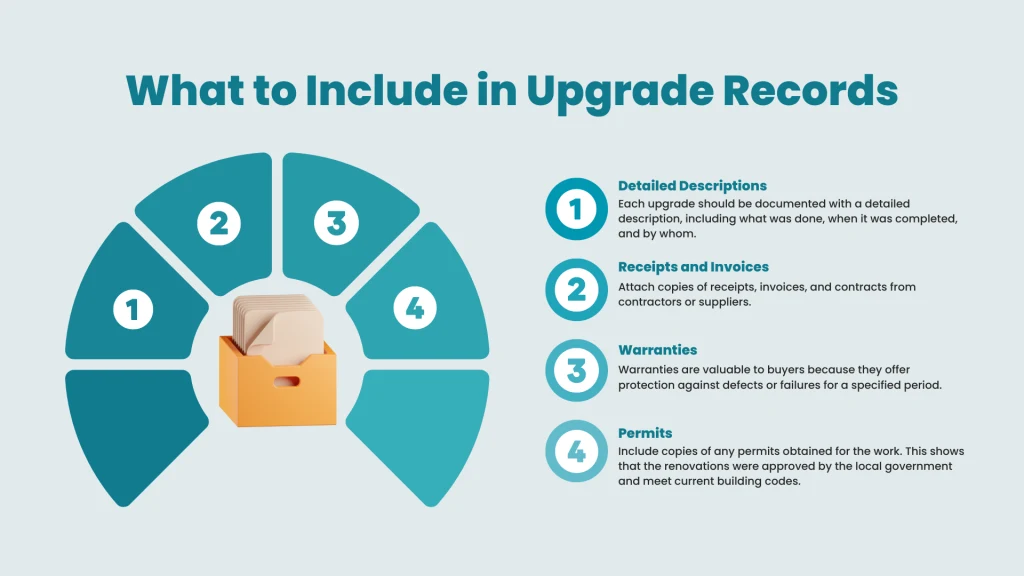
What to Include in Upgrade Records:
- Detailed Descriptions: Each upgrade should be documented with a detailed description, including what was done, when it was completed, and by whom. This includes everything from minor repairs to major renovations, such as kitchen remodels, new roofing, or HVAC system installations.
- Receipts and Invoices: Attach copies of receipts, invoices, and contracts from contractors or suppliers. This proves that the work was done by professionals and that you’ve invested in quality materials and labor.
- Warranties: If the work comes with a warranty, include this in the documentation. Warranties are valuable to buyers because they offer protection against defects or failures for a specified period. For example, a new roof might come with a 25-year warranty, which adds value to the property.
- Permits: Include copies of any permits obtained for the work. This shows that the renovations were approved by the local government and meet current building codes.
Providing thorough upgrade records can significantly enhance your property’s appeal and give potential buyers confidence that they are making a sound investment.
Certificates of Occupancy
For a home to be habitable, it needs to meet local building codes. Homes that meet these requirements receive a certificate of occupancy that says it is safe to live in the building.
If your home doesn’t pass this, or you’re in the process of finding one after a lengthy restoration job, you will need to produce one for the new owners to move in.
This certification is issued by the city and filed in their offices. A simple visit to your city, town, or county hall is all that’s required. You may need to prove your identification and address.
But once this is in hand, you’re getting closer to having all the correct paperwork.
How to Obtain a Certificate of Occupancy:
- Building Inspection: Before a CO is issued, the property must pass a final inspection by the local building department. The inspector will check to ensure that the home meets all relevant building codes, including structural integrity, electrical systems, plumbing, and fire safety.
- Correcting Deficiencies: If the inspector finds any issues, you’ll need to correct them before the CO can be issued. This might involve making repairs or upgrades to bring the property up to code.
- Filing the Certificate: Once the inspection is complete and any issues have been resolved, the local government will issue the CO. This document should be kept with your other important records and provided to the buyer at closing.
Without a CO, the sale of your property could be delayed or even derailed, as most buyers won’t proceed without assurance that the home is safe and legal to occupy.
Loan Documents
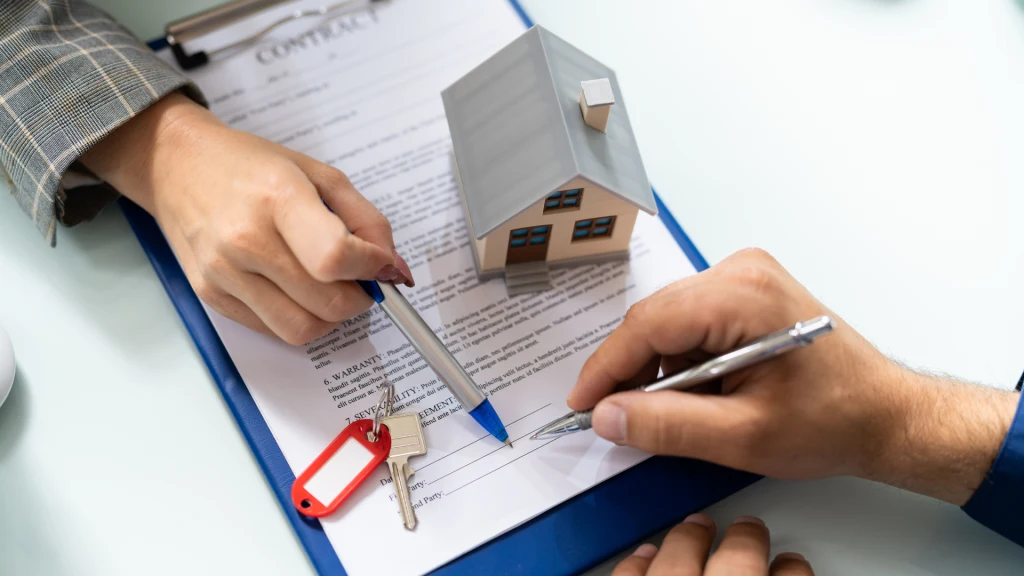
Loan documents are critical in the home-selling process, especially if the property is still under a mortgage. These documents outline the terms of the loan, including the remaining balance, interest rate, and payment history.
Key Loan Documents to Provide:
- Mortgage Statement: This document shows the current balance of your mortgage, the interest rate, and the monthly payment amount. It’s important for buyers to know how much is still owed on the property.
- Payoff Statement: If you’re paying off the mortgage as part of the sale, you’ll need a payoff statement from your lender. This document specifies the exact amount needed to pay off the loan, including any interest or fees.
- Loan Agreement: The original loan agreement outlines the terms and conditions of the mortgage, including the interest rate, repayment schedule, and any penalties for early repayment.
- Promissory Note: This is a legal document in which you, the borrower, promise to repay the loan according to the agreed-upon terms. It’s a key part of the loan agreement and should be included in the documentation provided to the buyer.
Providing these documents ensures transparency and builds trust with the buyer, as it shows that you are being upfront about the financial aspects of the property.
The Role of Utility Bills and Tax Statements
Potential buyers are often interested in the ongoing costs associated with owning the property, including utility bills and property taxes. Providing these documents gives buyers a clear understanding of the financial responsibilities they’ll be taking on.
Utility Bills:
What to Provide: Include the most recent utility bills for electricity, water, gas, and any other services. If possible, provide bills for the past 12 months to give buyers an idea of the property’s average utility costs throughout the year.
Why It Matters: High utility costs can be a deal-breaker for some buyers, especially if they are on a tight budget. Providing this information upfront allows buyers to make an informed decision.
Tax Statements:
Property Tax Receipts: Include copies of the most recent property tax receipts. These documents show the amount of property tax you’ve paid and any outstanding balances.
Tax Assessment: Provide a copy of the latest property tax assessment. This document shows the assessed value of the property, which is used to calculate property taxes. It also gives buyers an idea of what they can expect to pay in taxes after the sale.
Why It Matters: Property taxes can vary significantly depending on the location, and buyers need to know what they’re getting into. Providing this information helps avoid surprises later in the process.
How to Find Your Documents

Finding all these documents might seem daunting, but with a little guidance, it becomes manageable. Here are some tips to help you locate each necessary document:
- Property Deed: Start by checking with your county recorder’s office or land records office. Most of these offices have online databases where you can search for your deed using your property’s address.
- Property Survey: If you don’t have a copy of your property survey, you can usually get one from the surveyor who originally did the work. If that’s not possible, hiring a new surveyor is the next best step.
- Warranties and Permits: Warranties should be stored with your home’s important documents. Permits, on the other hand, can often be obtained from your local building department. They will have records of any permits issued for your property.
- Certificate of Occupancy: This can be obtained from your city’s building department. If your home doesn’t have one, you may need to have an inspection done to get the certificate issued.
- Loan Documents: Contact your lender for copies of any relevant loan documents. They should be able to provide you with everything you need.
- Latest Bills: Simply request copies from your utility companies, or if you have online accounts, you can print them directly from there.
Once you’ve gathered these last pieces of information, you’re ready to take the next step in selling your home on your own.
Final Steps: Gathering and Organizing Your Documents
As you prepare to sell your home, gathering and organizing these documents is essential. Here are some tips to help you stay on top of the paperwork:
- Create a Checklist: Make a list of all the documents you need and check them off as you gather each one. This ensures that you don’t forget anything important.
- Use a Filing System: Organize your documents in a way that makes them easy to find and reference. Consider using a filing cabinet, binder, or digital storage system.
- Consult with Professionals: If you’re unsure about any of the documents or how to obtain them, don’t hesitate to consult with a real estate attorney, title company, or other professionals. They can provide guidance and help you avoid costly mistakes.
- Keep Copies: Always keep copies of your documents for your records. Even after the sale is complete, you may need to reference these documents in the future.
By following these steps and ensuring that all necessary documents are in order, you’ll be well-prepared for a successful home sale.

Recent Posts


Frequently Asked Questions (FAQs) About Selling Your Home Fast
During a transfer, a new deed is drafted and signed by the seller, transferring ownership of the house to the new buyer. This document is then recorded in the land records with the above-mentioned deed of trust.
We work with your bankruptcy attorney to present a FAIR offer and give you additional money at closing. We present the offer directly to your attorney and work to have the offer accepted by the bankruptcy court. Once the offer is accepted, we ensure that the bankruptcy is released and we buy the property as soon as possible.
Yes, we can work with any seller who needs to move a property quickly for any reason and in any price range. We have purchased million-dollar houses before.
Yes, we buy apartments, multi-family houses/buildings and land.
No! You have no obligation at all if you submit an information form, show your property to House Buyers or receive an offer to buy your house. You are under no obligation at all. All we ask for is the opportunity to make an offer for your house, you’re in the driver’s seat as to whether you accept the offer or not. You are in complete control. You are only obligated to our service if you have entered into a purchase agreement with us, as with any other real estate transaction.
We need very basic information from you about your house. The number of bedrooms, bathrooms and overall condition of the property is needed. We will also ask you how long you have owned your home and if there are any mortgages or liens against the property.
We offer the maximum amount possible, our offers are very competitive. If our offers weren’t competitive, we wouldn’t have purchased thousands of houses! There is no magic percentage we use, every house is unique. Our Real Estate Consultants take into consideration the age, condition, size, features and location of the home much like an appraiser would. We factor in the costs to repair the house, what other homes in the area are selling for and how long it is taking to sell those homes. These and several other factors are researched to determine a fair offer.
As soon as we receive your Online Form, we will review your information and get back to you ASAP (usually within 30-60 minutes depending on when you submit the information).
We work FAST to help ensure that your house doesn’t go to foreclosure. We present you with a FAIR offer to pay off your mortgage before the foreclosure. We help save your credit, avoid foreclosure and allow you to sell your house FAST and FAIR. Due to recent legislation, if you reside in the state of Maryland and are within a certain period of time before your foreclosure sale date, we will introduce you to a Foreclosure Consultant. The legislation mandates that if you are within this certain window that a foreclosure consultant must explain to you all of your options involved in selling your home.
No problem! We can still buy your house as is, even if it has demolition orders scheduled.
House Buyers of America
We buy your home on your terms.
- No repairs or showings
- Close on your time frame
- No commissions or fees
- No obligation cash offer
Over 25 Years in Business · Trusted Since 2001
Get Your Fair Cash
Offer
Today!
or call us at 855-659-3289
Searching and Processing Address