September 26, 2024
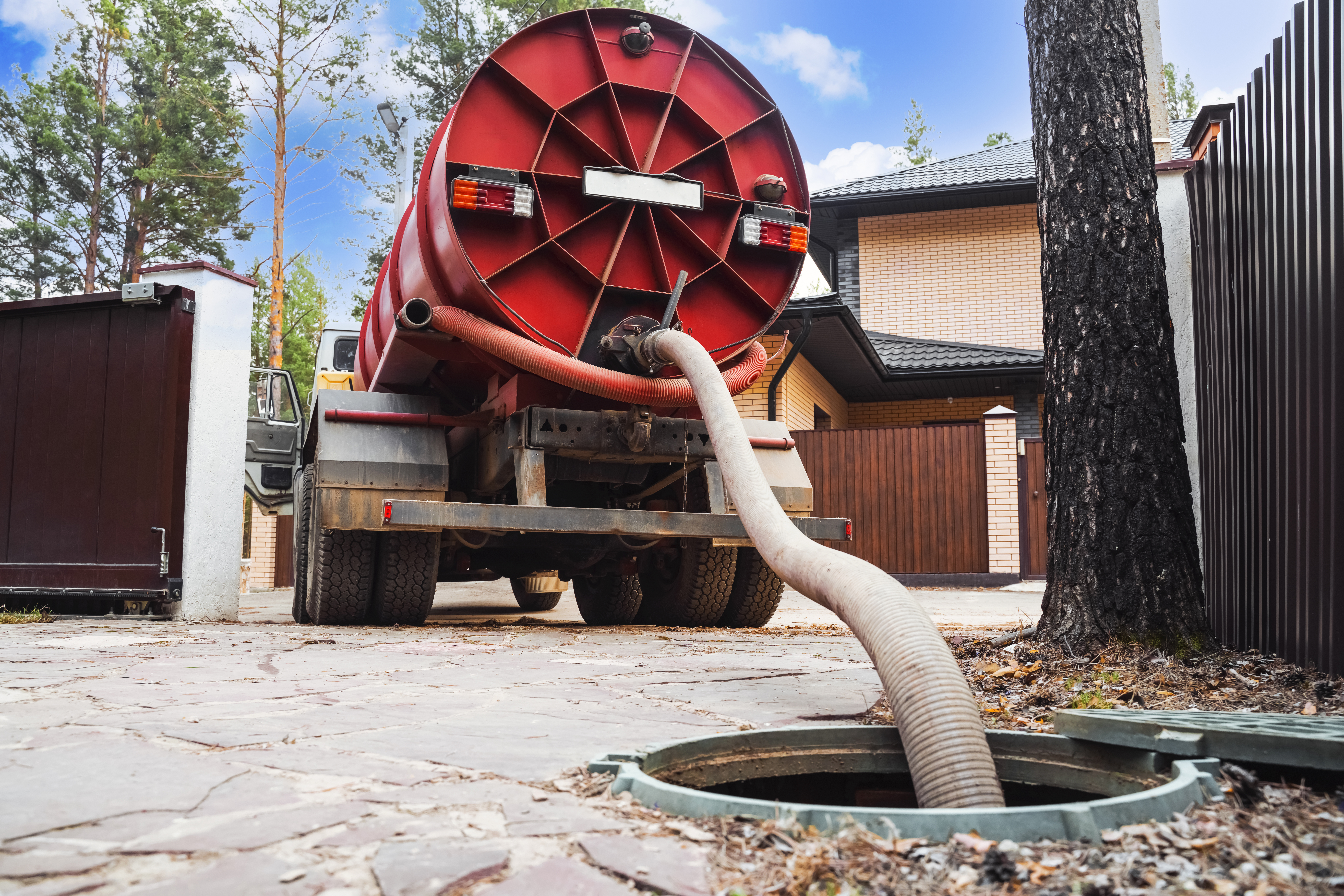
If you’re selling a home with a septic tank, you might be facing a few important questions, such as:
- Who pays for the septic inspection: the buyer or seller?
- Can I sell my house with a failed septic system?
- What exactly is a septic inspection?
- What is a dye test when selling a house?
Problems with a septic tank can complicate an already stressful home-selling process. Septic repairs can range from minor fixes to major undertakings, which could significantly impact the sale of your home.
It’s important to understand that a septic system is more than just a tank—it’s a complex system that involves multiple components. Before addressing the specific questions above, let’s first review how a septic system works.
How a Septic System Works

When a home can’t be connected to a municipal sewer system, it relies on a properly installed septic system. These systems are more common than many people realize. According to the United States Environmental Protection Agency (EPA), 25% of U.S. homes use septic systems, making them a significant part of the nation’s wastewater infrastructure.
The septic system starts with a sanitary pipe that carries wastewater from the home to the septic tank. This tank is a large, watertight container buried underground, designed to break down solids and safely dispose of liquids. Placing the tank underground allows natural processes to occur without interference.
Key components include:
- Sanitary pipe transporting wastewater from the home.
- An underground septic tank that holds and processes the wastewater.
Once inside the tank, solids settle at the bottom to form a layer called sludge. Oils and grease float to the top, creating the scum layer. The scum acts as a barrier, keeping air out and allowing bacteria to thrive. These bacteria help break down the sludge, making the system more efficient.
The middle layer, known as effluent, is mostly clear liquid. The system uses T-shaped outlets, or baffles, to allow effluent to flow into the leach field. This field filters the liquid through soil, rocks, and sand, breaking down contaminants further.
Here’s how the septic tank works:
- Solids form sludge at the bottom, while oils and grease create the scum layer.
- Bacteria in the tank break down the sludge and process the wastewater.
Effluent passes through the outlet baffles into the leach field, where it percolates into the subsoil. Here, the bacteria in the soil break down the remaining impurities. Surrounding sand and rocks act as an additional filtration layer to purify the effluent as it seeps into the ground.
Because septic systems work quietly underground, homeowners often forget about them. However, regular maintenance is key to preventing failures. A neglected system can lead to expensive repairs or even a failed septic inspection.
But what does maintaining a septic system cost, and how much will an inspection set you back? Let’s dive into that next.
How Much Does a Septic Tank Inspection Cost?
Septic tank inspection costs vary depending on the size of the tank and the complexity of the system. Standard tanks are usually 1,000 or 1,500 gallons, and the cost for a basic inspection typically falls between $300 and $600. This fee covers a thorough examination but does not include potential repair costs.
You can also contact your local health department to inquire about possible savings. In some areas, they may offer discounted inspections, which could help you lower the overall expense.
Key points about septic inspections:
- Costs range from $300 to $600, excluding repairs.
- Tank size and system complexity affect the price.
- Local health departments may provide discounted inspections.
It’s recommended to schedule professional septic system inspections annually. Additionally, the tank should be pumped every 2-3 years to prevent costly issues like overflow or blockages. By staying on top of regular maintenance, you can avoid more significant, expensive repairs in the future.
This is especially important if you’re planning to sell your home. A properly maintained septic system is a valuable selling point. But remember, any issues with the system must be disclosed to potential buyers, ensuring transparency and avoiding legal problems later.
Repair Calculator
Should You Fix or Sell As-Is?
Estimate repair costs and compare your options: fix and list, sell As-Is, or get a cash offer.


Unlock the Full Calculator
Do You Need a Septic System Inspection to Buy or Sell?
Whether a septic system inspection (or home inspection, for that matter) is required depends on the state where the property is located. In some states, no mandatory inspections are required for septic systems, leaving the decision to the buyer and seller.
For example, in Virginia, the Virginia Department of Health does not mandate inspections when buying or selling homes with septic systems. Virginia is a “buyer beware” state, meaning the buyer is responsible for investigating the condition of the property. This makes it essential for buyers to ask questions about the septic system during the transaction to avoid surprises later.
Key considerations in Virginia:
- No required septic inspections by the state
- Buyer must investigate the condition of the septic system
In the District of Columbia, sellers are required to disclose any known issues with the septic or plumbing systems in the real estate disclosure document. This includes confirming that the sewage disposal is functioning and that there are no known faults.
Maryland takes it a step further, requiring sellers to explicitly disclose any septic system issues. This is due to the state’s proximity to wetlands, where environmental concerns are heightened if systems fail.
Key considerations in Maryland and D.C.:
- Sellers must disclose septic system issues
- Maryland has stricter environmental regulations due to wetlands
If you’re selling a home with a septic system, expect the buyer to request an inspection. If a lender is involved, they may also require an appraisal that includes a septic system review.
But what happens if the septic system fails? Let’s talk about who covers the costs and what steps to take next.
What Does a Faulty Septic System Mean and Who Pays?
The cost of a septic system inspection typically depends on the state you live in. While some states may have specific laws in place about who is responsible, the responsibility can often be negotiated between the buyer and seller. If financial issues arise, it’s possible for both parties to share the cost of the inspection to facilitate the sale.
Regardless of who covers the cost, these inspections must be completed by a licensed professional. To ensure the process runs smoothly, there are a few important steps to take as a homeowner:
- Hire a licensed septic inspector: Verify that the inspector is certified and qualified to evaluate your system.
- Keep detailed records: Have records of previous inspections, pumping schedules, and maintenance on hand. These will help the inspector understand the system’s history.
- Know the location of your septic tank: Be prepared to point out the exact location of the tank on your property, saving time and ensuring accuracy during the inspection.
- List your concerns: Make a detailed list of any issues you’ve noticed, such as slow drainage, odors, or unusual wet spots in the yard.
Key Measurements for a Passing Inspection

One of the main aspects of a septic inspection is measuring the levels of sludge, scum, and effluent in the tank. Neglecting regular maintenance, such as pumping, can cause waste buildup that affects the system’s performance. The inspector will measure the sludge to ensure it hasn’t risen to excessive levels, as too much can clog the outlet, slowing the flow of effluent into the leaching field.
- Sludge levels: The inspector will lower a stick into the tank to check how much sludge has accumulated. For the system to pass, sludge should not occupy more than one-third of the tank’s volume.
- Scum at the top: The scum layer (oils and grease) that floats on top of the wastewater needs to be regularly broken down. If it has been stagnant for too long, it can become a problem.
- Effluent flow: The water, or effluent, should flow naturally through the tank into the leach field. Any blockages in this flow can cause the water to stagnate, leading to more serious issues.
These measurements are the main factors that inspectors evaluate to determine whether the system is functioning properly. A failure in any of these areas can mean that the septic system is at risk of malfunctioning, which can be costly to repair.
What Happens if the Septic System Fails?
If your septic system fails inspection, the inspector will provide a list of recommended repairs. The problem could range from needing the tank pumped to more serious issues like a full replacement of the leach field. In most states, the seller is responsible for covering these repairs, especially if the system fails during a pre-sale inspection. Once the repairs are completed, the inspector will return to ensure everything is in proper working order.
- The seller usually covers repair costs: In most cases, state laws dictate that the seller must handle any repairs before closing.
- The inspector will recheck the system: After repairs, a follow-up inspection will confirm the system is now functioning correctly.
Selling a Home “As-Is” with a Failed Septic System
If the cost of repairs is too high and you can’t afford to fix the septic system, selling your home “as-is” is an option. However, this limits your pool of potential buyers. Banks and lenders will likely refuse to finance the purchase of a home with a failing septic system. This means you’ll need a cash buyer who is willing to take on the project.
- Selling “as-is” requires a cash buyer: Most banks won’t finance homes with faulty septic systems.
- Be prepared for a lower offer: Buyers willing to purchase a home with a failing septic system may offer significantly less than market value.
Selling a home with a failed septic system requires transparency and understanding that you may need to accept a lower price. It’s crucial to inform potential buyers upfront about the septic issues to avoid legal problems later.
Conclusion
Navigating septic system issues during a home sale can be challenging, but understanding the entire home inspection process and knowing your responsibilities can make things easier.
Whether you’re covering inspection costs or deciding to sell the home “as-is,” transparency and professional assistance are key to ensuring a successful sale.

Recent Posts


Frequently Asked Questions (FAQs) About Selling Your Home Fast
During a transfer, a new deed is drafted and signed by the seller, transferring ownership of the house to the new buyer. This document is then recorded in the land records with the above-mentioned deed of trust.
We work with your bankruptcy attorney to present a FAIR offer and give you additional money at closing. We present the offer directly to your attorney and work to have the offer accepted by the bankruptcy court. Once the offer is accepted, we ensure that the bankruptcy is released and we buy the property as soon as possible.
Yes, we can work with any seller who needs to move a property quickly for any reason and in any price range. We have purchased million-dollar houses before.
Yes, we buy apartments, multi-family houses/buildings and land.
No! You have no obligation at all if you submit an information form, show your property to House Buyers or receive an offer to buy your house. You are under no obligation at all. All we ask for is the opportunity to make an offer for your house, you’re in the driver’s seat as to whether you accept the offer or not. You are in complete control. You are only obligated to our service if you have entered into a purchase agreement with us, as with any other real estate transaction.
We need very basic information from you about your house. The number of bedrooms, bathrooms and overall condition of the property is needed. We will also ask you how long you have owned your home and if there are any mortgages or liens against the property.
We offer the maximum amount possible, our offers are very competitive. If our offers weren’t competitive, we wouldn’t have purchased thousands of houses! There is no magic percentage we use, every house is unique. Our Real Estate Consultants take into consideration the age, condition, size, features and location of the home much like an appraiser would. We factor in the costs to repair the house, what other homes in the area are selling for and how long it is taking to sell those homes. These and several other factors are researched to determine a fair offer.
As soon as we receive your Online Form, we will review your information and get back to you ASAP (usually within 30-60 minutes depending on when you submit the information).
We work FAST to help ensure that your house doesn’t go to foreclosure. We present you with a FAIR offer to pay off your mortgage before the foreclosure. We help save your credit, avoid foreclosure and allow you to sell your house FAST and FAIR. Due to recent legislation, if you reside in the state of Maryland and are within a certain period of time before your foreclosure sale date, we will introduce you to a Foreclosure Consultant. The legislation mandates that if you are within this certain window that a foreclosure consultant must explain to you all of your options involved in selling your home.
No problem! We can still buy your house as is, even if it has demolition orders scheduled.
House Buyers of America
We buy your home on your terms.
- No repairs or showings
- Close on your time frame
- No commissions or fees
- No obligation cash offer
Over 25 Years in Business · Trusted Since 2001
Get Your Fair Cash
Offer
Today!
or call us at 855-659-3289
Searching and Processing Address