April 30, 2026

We see it all the time. Homeowners assume skipping an inspection makes the selling process easier, but that’s not always the case. Sure, there are times when skipping an inspection does make the process easier, but we’ve also seen it introduce new risks that delay and sometimes derail a deal.
The key is knowing what to expect before you decide.
What Does It Mean To Sell My House As-Is?
Selling a home As-Is is simpler than it sounds. It means you’re selling it in its current condition, without agreeing to make repairs.
But here’s the biggest misconception:
- “As-Is” does not mean buyers can’t inspect the home
- It means the seller isn’t going to fix anything, regardless of what an inspection finds
In most cases, this is where many sellers get tripped up.
They assume listing As-Is eliminates inspections altogether. In reality, most buyers still want to understand what they’re buying.
It’s important to note that selling As-Is isn’t the same as waiving an inspection. In our experience, many sellers confuse the two, but a buyer can still inspect the home even if it’s being sold As-Is. Waiving the inspection contingency is a separate decision made by the buyer.
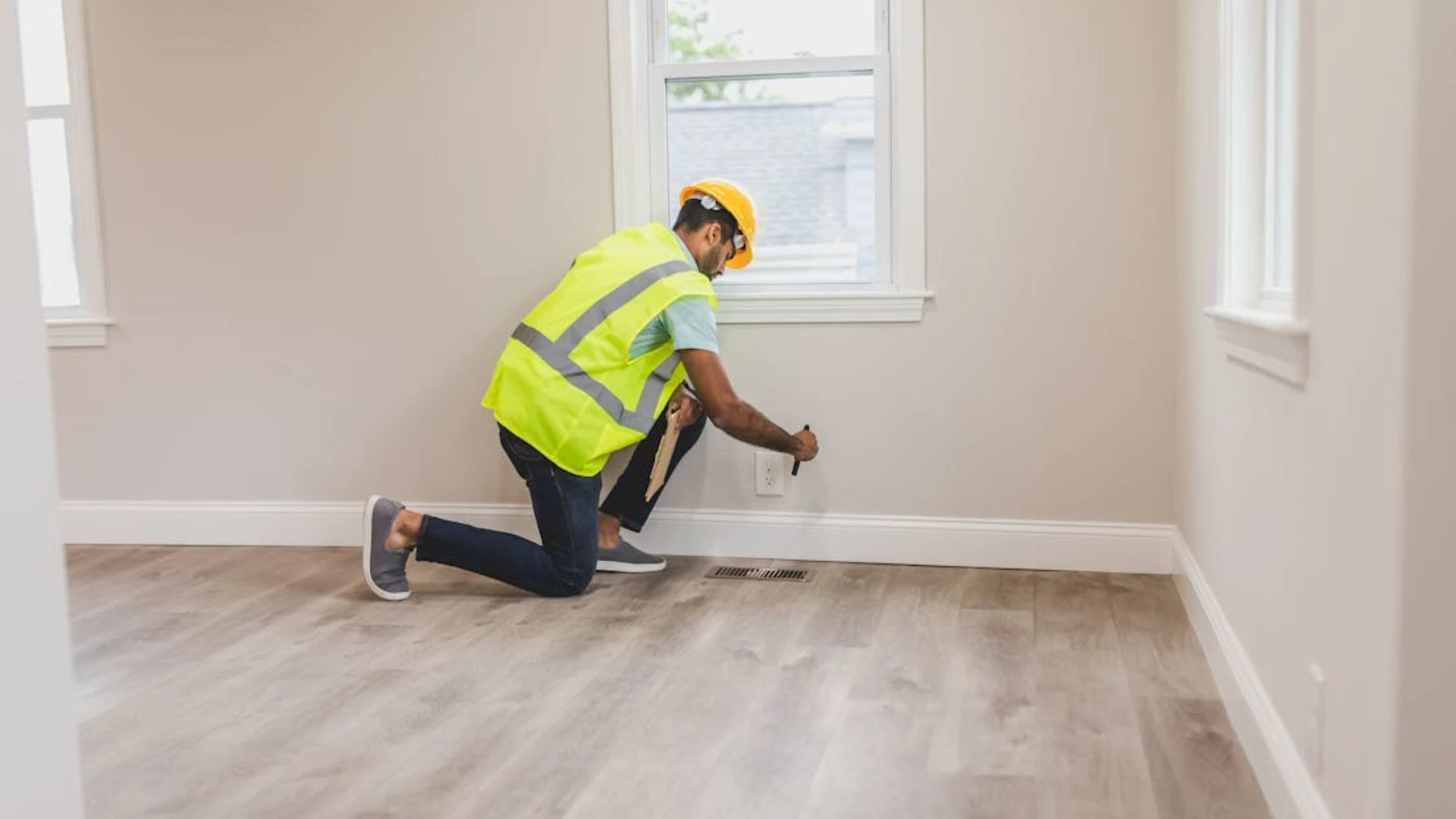
Is an Inspection Required When Selling My House?
No, an inspection is not legally required to sell your home. But that doesn’t mean it won’t come into play.
There are two types of inspections to understand:
- Seller inspection (pre-listing): You hire an inspector before listing
- Buyer inspection: The buyer hires their own inspector after making an offer
In most traditional sales, the buyer’s inspection is the one that matters most.
We’ve worked with many sellers who skipped a pre-listing inspection, only to have a buyer uncover issues later that changed the entire deal.
On the other hand, we’ve seen sellers opt for a pre-listing inspection before putting their home on the market to reduce surprises later.
Is a Buyer Allowed To Request an Inspection on an As-Is Sale?
Yes, absolutely.
Even in an As-Is sale, buyers can still request an inspection. The difference comes down to what happens next.
Inspection Contingencies
An inspection contingency allows the buyer to:
- Back out of the deal if major issues appear
- Renegotiate the price or request credits
More than 66% of mortgage buyers included an inspection contingency, and about 15% – 16% of homebuyers end up backing out of a sale, with a poor inspection being the main reason they walked away.
In 2018, I was one of those buyers who walked away from a purchase because of a poor inspection. The home seemed perfect, but after our home inspector found mold in the attic, hidden water damage to the crawl space, and leaks from the skylights, I knew there was no room for negotiation and walked away from the agreement.
How does this impact negotiations?
Market data shows inspections are among the biggest points of negotiation in real estate.
We’ve seen many deals fall apart after inspection reports revealed:
- Foundation issues
- Roof damage
- Plumbing or electrical problems
Even when a home is listed As-Is, buyers often use inspection results to push for price reductions or credits.
Depending on what the inspection report shows, the negotiation power can shift to benefit the buyer or seller.

When Would an Inspection Still Happen, Even When a Buyer Doesn’t Want It?
Even if a buyer is comfortable skipping an inspection, there are situations where it may still be required.
Traditional Buyers Using Financing
Most financed buyers go through a lender, and lenders often have minimum property standards. In this case, an inspection is required before the buyer is approved for financing.
Lender Requirements
Depending on the loan type, lenders may require an appraisal with condition checks. We’ve also seen situations where the lender required the seller to make repairs before they approve the loan.
It’s not uncommon for us to see many As-Is deals run into unexpected delays. If a buyer is willing to move forward, but their lender isn’t, the deal is going to be delayed or fall through.
Homeowners Insurance Requires It
Some buyers may also need an inspection to secure homeowners’ insurance, even if they’re comfortable moving forward without one.
Selling In As-Is Condition
The Complete As-Is Home Selling Checklist
Track your progress and export when ready.


When Can an Inspection Be Skipped Completely?
There are scenarios where inspections are more likely to be skipped entirely.
Cash Buyers
Cash buyers don’t rely on lenders, which removes many requirements.
In our experience, cash buyers are also more comfortable taking on risk because they’ve likely seen similar properties before.
Direct Sales
When you sell directly to a company like House Buyers of America, the process is much more streamlined.
Instead of a formal inspection:
- The property is evaluated upfront
- The offer reflects the home’s condition
- There are no repair negotiations later
This removes a major layer of uncertainty.
In traditional sales, inspections introduce more variables into the process. In a direct sale, the terms are typically agreed upon up front, which creates a more predictable outcome.

What Are the Pros and Cons of Selling Without an Inspection?
Skipping an inspection can simplify the process, but it comes with trade-offs that are important to understand upfront.
On the one hand, it can significantly speed things up. Without an inspection, there are fewer delays, fewer moving parts, and a much faster path to closing. But that simplicity often comes at a cost. Buyers are taking on more unknown risk, and in our experience, they tend to factor that into their offers, which can result in a lower sale price.
It also changes how negotiations play out. Without an inspection, there’s typically less back-and-forth after an offer is made, since there’s no report to trigger repair requests or credits. However, that doesn’t eliminate negotiation entirely. Instead, buyers may build that uncertainty into their initial pricing, which shifts the negotiation to the front end rather than after an inspection.
Pros of Selling As-Is Without an Inspection
Selling without an inspection can work in your favor in the right situation:
- Faster sales process
- Fewer contingencies
- Less negotiation after the offer
- No need to fix or investigate issues upfront
We typically see this approach work well for sellers who prioritize speed and certainty.
Cons of Selling As-Is Without an Inspection
There are also downsides to consider:
- Smaller buyer pool
- Lower offers from risk-averse buyers
- Potential legal exposure if issues aren’t disclosed
- Less transparency in the transaction
We’ve seen sellers accept lower offers simply because buyers are factoring in the unknown.
Know the Risks of Selling As-Is Without an Inspection
Before skipping an inspection, you need to understand your responsibilities.
Disclosure Requirements
Even in an As-Is sale, you are still legally required to disclose known issues.
This can include:
- Water damage
- Structural problems
- Past repairs or defects
Failing to disclose can lead to legal issues after closing.
Legal Considerations
Laws vary by state, but the principle is consistent: transparency protects you.
Virginia, for example, follows the doctrine of caveat emptor (“let the buyer beware”), which means sellers aren’t allowed to lie about known issues. If asked, they must answer honestly, but they aren’t required to disclose them up front.
This contrasts with Maryland, where sellers must complete a Residential Property Disclosure and Disclaimer Statement detailing specific defects in the property.
In today’s market, the safest approach is always to disclose anything you’re aware of upfront.
When Does Skipping an Inspection Make Sense?
Skipping an inspection can be a smart move in certain situations:
- You need to sell quickly
- The home needs major repairs
- You inherited a property and don’t want to invest in it
- You’re selling to a cash buyer or investor
We recently worked with a homeowner in Burtonsville, MD, who inherited a vacant property that sat vacant for 13 years and had significant deferred maintenance. Instead of going through inspections and repairs, all while caring for a sick family member, they chose to sell directly. The result was a fast, predictable closing in two months without delays or renegotiation.
When Is Skipping an Inspection a Bad Idea?
It doesn’t make sense to skip an inspection if:
- Your home is in great condition
- You’re trying to maximize your sale price
- You’re comfortable waiting for the right buyer
- You’re selling in a strong seller’s market
In these cases, allowing inspections can actually help build buyer confidence and lead to stronger offers.
How Does a Direct, As-Is Sale Work?
A direct sale removes many of the traditional steps in the process.
Here’s how it typically works:
- You provide basic details about your home
- The buyer evaluates the property
- You receive a competitive cash offer
- You choose your closing timeline
When done right, we’ve seen this approach eliminate the biggest pain points sellers face:
- No inspections or repair negotiations
- No financing delays
- No commissions or hidden fees
At House Buyers of America, we buy houses fast, and sellers can often get an offer quickly and close in as little as 7 days, depending on the situation.
Frequently Asked Questions About Selling a Home As-Is Without an Inspection
Here are the most common questions people have about selling their home As-Is without getting an inspection first.
Does Selling a Home As-Is Mean No Inspection?
No. Buyers can still request an inspection. As-Is simply means you’re not agreeing to make repairs.
Why Is Everyone Waiving Inspections?
In competitive markets, buyers sometimes waive inspections to make their offer more attractive.
Will I Lose Money Selling My House As-Is?
Possibly. Buyers often factor repair costs and risk into their offers, which can lower the price. However, you may not lose as much as you think when you sell As-Is.
Can Buyers Still Inspect an As-Is Home?
Yes. Inspections are still allowed unless explicitly waived in the contract.
Can I Legally Sell a House Without Disclosing Problems?
No. You are still required to disclose known issues, even in an As-Is sale.
Should I Sell My House As-Is?
It depends on your priorities. If you’re looking for speed, simplicity, and the least amount of work, selling As-Is makes the most sense. If you want to get top dollar for your home, regardless of the amount of work required, a traditional sale could be a better option.

Recent Posts


Frequently Asked Questions (FAQs) About Selling Your Home Fast
During a transfer, a new deed is drafted and signed by the seller, transferring ownership of the house to the new buyer. This document is then recorded in the land records with the above-mentioned deed of trust.
We work with your bankruptcy attorney to present a FAIR offer and give you additional money at closing. We present the offer directly to your attorney and work to have the offer accepted by the bankruptcy court. Once the offer is accepted, we ensure that the bankruptcy is released and we buy the property as soon as possible.
Yes, we can work with any seller who needs to move a property quickly for any reason and in any price range. We have purchased million-dollar houses before.
Yes, we buy apartments, multi-family houses/buildings and land.
No! You have no obligation at all if you submit an information form, show your property to House Buyers or receive an offer to buy your house. You are under no obligation at all. All we ask for is the opportunity to make an offer for your house, you’re in the driver’s seat as to whether you accept the offer or not. You are in complete control. You are only obligated to our service if you have entered into a purchase agreement with us, as with any other real estate transaction.
We need very basic information from you about your house. The number of bedrooms, bathrooms and overall condition of the property is needed. We will also ask you how long you have owned your home and if there are any mortgages or liens against the property.
We offer the maximum amount possible, our offers are very competitive. If our offers weren’t competitive, we wouldn’t have purchased thousands of houses! There is no magic percentage we use, every house is unique. Our Real Estate Consultants take into consideration the age, condition, size, features and location of the home much like an appraiser would. We factor in the costs to repair the house, what other homes in the area are selling for and how long it is taking to sell those homes. These and several other factors are researched to determine a fair offer.
As soon as we receive your Online Form, we will review your information and get back to you ASAP (usually within 30-60 minutes depending on when you submit the information).
We work FAST to help ensure that your house doesn’t go to foreclosure. We present you with a FAIR offer to pay off your mortgage before the foreclosure. We help save your credit, avoid foreclosure and allow you to sell your house FAST and FAIR. Due to recent legislation, if you reside in the state of Maryland and are within a certain period of time before your foreclosure sale date, we will introduce you to a Foreclosure Consultant. The legislation mandates that if you are within this certain window that a foreclosure consultant must explain to you all of your options involved in selling your home.
No problem! We can still buy your house as is, even if it has demolition orders scheduled.
House Buyers of America
We buy your home on your terms.
- No repairs or showings
- Close on your time frame
- No commissions or fees
- No obligation cash offer
Over 25 Years in Business · Trusted Since 2001
Get Your Fair Cash
Offer
Today!
or call us at 855-659-3289
Searching and Processing Address