June 28, 2021

Water damage and your new home? Not exactly the housewarming surprise anyone hopes for. Finding undisclosed leaks, mold, or structural issues after you’ve already signed on the dotted line can turn your exciting milestone into a major headache. In fact, the average cost of a home water damage insurance claim is $6,965.
When sellers keep these soggy secrets to themselves, you’re left with unexpected repairs and the frustration of wondering what else might be hiding behind those freshly painted walls. But don’t worry—knowing what to look for and understanding your rights can help you navigate these murky waters before they dampen your homebuying dreams. It’s important to understand:
- What disclosures sellers are required to make
- How to determine if the water damage existed before purchase
- What legal options you have if the seller failed to disclose it
- Whether taking legal action is worth your time and money
Let’s break it down step by step.
What Are Seller Disclosures?
Think of a seller’s disclosure statement as your home’s “truth resume.” This important document is where sellers come clean about any quirks or problems they know about—from that leaky roof to the basement that turns into a kiddie pool during heavy rain. It’s not just paperwork; it’s your protection as a buyer, giving you the full picture before you commit.
With this insider knowledge in hand, you can make a smart decision about your purchase and avoid those “why didn’t anyone tell me about this?” moments after you’ve moved in. Plus, it keeps everyone out of legal hot water down the road, which is always a bonus!
What Must Be Disclosed When Selling a House?

The disclosure form varies by state law, but common required disclosures include:
- Water damage or leaks – Any past or present water-related issues, including flooding, dry rot, and roof leaks
- Structural defects – Foundation cracks, termite damage, or major repairs
- Mold or pest infestations – Issues that may affect air quality and home safety
- Neighborhood nuisances – Noise pollution, unpleasant odors, or nearby industrial activity
- Deaths on the property – Some states require sellers to disclose deaths within a certain timeframe
- Homeowners Association (HOA) details – Fees, restrictions, and rules affecting the property
Some states have strict disclosure requirements, while others follow the “Buyer Beware” (Caveat Emptor) rule, meaning the buyer is responsible for uncovering property defects.
How to Tell If the Water Damage Was Pre-Existing
If you’ve found water damage after moving in, you first need to understand when the issue started. Here’s how:
Watch for water damage red flags: discolored walls and ceilings, soft or swollen drywall, musty odors, and telltale water stains with rings. Be wary of warped floors, peeling paint, and suspiciously fresh repairs—that new drywall might be hiding mold underneath. These clues could help you determine if the problem existed before you bought your home.
How to Establish a Timeline
Establishing a timeline helps you build your case. Consider hiring a professional home inspector or contractor who can assess the damage and give you a realistic timeframe. Don’t overlook old repair records that might reveal previous owners’ attempts to fix or hide issues. Your neighbors can be valuable resources too—they often know about past flooding or leaks in the area.
Also worth checking is the property’s history, especially if the home was vacant or foreclosed, as water damage might have developed unchecked during those periods. Keep in mind that while there’s no perfect science for dating water damage, an experienced inspector can usually estimate when it occurred based on how far it has progressed.
Who’s Responsible for the Water Damage?
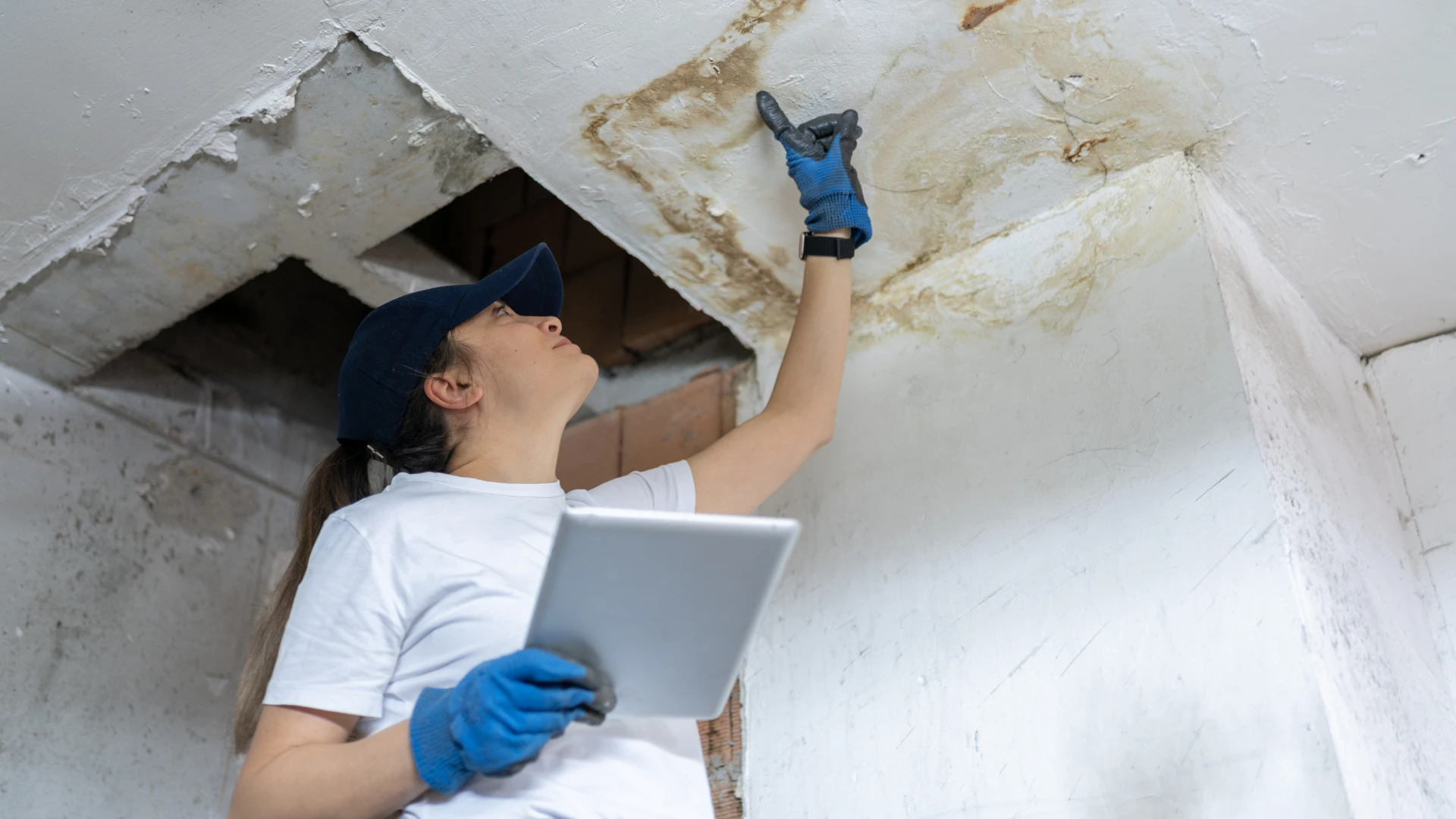
Before you do anything, figure out who might be responsible for not mentioning the issue.
1. The Seller
In most states, sellers have to come clean about known issues, including those pesky water problems. But here’s the deal:
- If they truly had no clue about that leaky pipe behind the wall, they might be off the hook.
- If they slapped on some fresh paint to hide that water stain? That’s fraud territory, and they could find themselves in hot water legally.
2. The Seller’s Real Estate Agent
- Real estate agents aren’t just there to cash commission checks—in many states, they’re on the line if they knew about damage and kept quiet.
- If that agent noticed the ceiling bubbling with moisture but chose to look the other way, they could be facing negligence claims faster than you can say “mold remediation.”
3. The Home Inspector
- That inspector you paid to check things out? Their job was to spot the obvious signs of trouble.
- If they missed water stains the size of Texas, you might have a case for inspector negligence.
- Just remember: inspectors don’t have x-ray vision. If the problem was tucked away behind drywall or under that brand-new laminate flooring, they typically can’t be blamed for missing what they couldn’t see.
Gathering Evidence: How to Prove Seller Misconduct
If you suspect the seller knew about the water damage, you’ll need solid proof before considering legal action. To build your case, you’ll want to gather some key evidence that tells the real water damage story. Your home inspection report might be the smoking gun if it shows problems that should have appeared on those disclosure forms. Dig up any repair records or find contractors willing to confirm the issue was there long before you got the keys.
Look for revealing before-and-after photos that show suspicious cover-up work like fresh paint or new flooring installed right before showing the house. And perhaps most telling: those disclosure forms where the seller checked “no issues” while water was quietly eating away at your future home’s structure. These pieces create the puzzle that shows you weren’t given the full picture.
Proving fraud: If the seller actively concealed damage (e.g., covering mold with new drywall), this strengthens your case for legal action.
Your Legal Options: Can You Sue the Seller?

If you’ve collected solid proof, you might have grounds to take legal action over that water damage the seller conveniently forgot to mention. The strength of your evidence determines whether pursuing a lawsuit makes sense for your situation.
- Check Your State’s Disclosure Laws – Some states require full disclosure, while others use “Buyer Beware” laws. If your state has strict disclosure laws, you may have a stronger legal case.
- Contact Your Real Estate Agent – They can guide you through disclosure laws and possibly negotiate with the seller. If the agent failed to disclose the issue, they might be held liable.
- Consult a Real Estate Attorney – A lawyer can determine who is legally responsible (seller, agent, or inspector). They can file a lawsuit if necessary.
- Consider Alternative Resolutions – Before rushing to court, try sending a demand letter outlining the repairs needed and your expected compensation, or consider mediation, which some states actually require, where a neutral third party can help you and the seller find middle ground without the hefty legal fees.
Weighing the Cost: Is a Lawsuit Worth It?
Taking legal action can be expensive. Here’s what to consider before suing:
Potential Costs of Legal Action Let’s talk money—because water damage lawsuits aren’t cheap. Those soggy repairs typically run several thousand dollars, but throw in some mold issues and you’re looking at $10,000 or more before you know it. Lawyers don’t come cheap either, charging between $150-$350 per hour until you settle (if you’re lucky).
Small claims court might save you some attorney fees, but they only handle cases up to $2,500-$15,000, depending on where you live. If we’re just talking about a small repair bill, sometimes it’s easier on your wallet—and your sanity—to fix it and move on.
Before lawyering up, see if your home insurance might cover that hidden damage, especially if you discovered it within your first year. Got a home warranty as part of your purchase? Dust off that paperwork—it might cover those plumbing or structural repairs. And if the whole situation feels like quicksand, selling As-Is might be your escape route, though you’ll need to be upfront about the issues with your next buyer.
What’s Your Best Next Step?
Whatever path you choose, start by gathering evidence that proves this watery mess existed before you got the keys. Don’t wait too long though—those drips and stains aren’t taking a break while you weigh your options. Address the damage ASAP to prevent today’s inconvenience from becoming tomorrow’s renovation nightmare.
Talk to your real estate agent or lawyer about the specifics of your situation, and explore whether your insurance or warranty might save the day before you start writing checks. Remember, sometimes the cheapest solution isn’t fighting in court—it might be fixing the problem and chalking it up as an expensive lesson in homebuying. The goal isn’t revenge; it’s getting back to enjoying your home without water where it doesn’t belong.

Recent Posts


Frequently Asked Questions (FAQs) About Selling Your Home Fast
During a transfer, a new deed is drafted and signed by the seller, transferring ownership of the house to the new buyer. This document is then recorded in the land records with the above-mentioned deed of trust.
We work with your bankruptcy attorney to present a FAIR offer and give you additional money at closing. We present the offer directly to your attorney and work to have the offer accepted by the bankruptcy court. Once the offer is accepted, we ensure that the bankruptcy is released and we buy the property as soon as possible.
Yes, we can work with any seller who needs to move a property quickly for any reason and in any price range. We have purchased million-dollar houses before.
Yes, we buy apartments, multi-family houses/buildings and land.
No! You have no obligation at all if you submit an information form, show your property to House Buyers or receive an offer to buy your house. You are under no obligation at all. All we ask for is the opportunity to make an offer for your house, you’re in the driver’s seat as to whether you accept the offer or not. You are in complete control. You are only obligated to our service if you have entered into a purchase agreement with us, as with any other real estate transaction.
We need very basic information from you about your house. The number of bedrooms, bathrooms and overall condition of the property is needed. We will also ask you how long you have owned your home and if there are any mortgages or liens against the property.
We offer the maximum amount possible, our offers are very competitive. If our offers weren’t competitive, we wouldn’t have purchased thousands of houses! There is no magic percentage we use, every house is unique. Our Real Estate Consultants take into consideration the age, condition, size, features and location of the home much like an appraiser would. We factor in the costs to repair the house, what other homes in the area are selling for and how long it is taking to sell those homes. These and several other factors are researched to determine a fair offer.
As soon as we receive your Online Form, we will review your information and get back to you ASAP (usually within 30-60 minutes depending on when you submit the information).
We work FAST to help ensure that your house doesn’t go to foreclosure. We present you with a FAIR offer to pay off your mortgage before the foreclosure. We help save your credit, avoid foreclosure and allow you to sell your house FAST and FAIR. Due to recent legislation, if you reside in the state of Maryland and are within a certain period of time before your foreclosure sale date, we will introduce you to a Foreclosure Consultant. The legislation mandates that if you are within this certain window that a foreclosure consultant must explain to you all of your options involved in selling your home.
No problem! We can still buy your house as is, even if it has demolition orders scheduled.
House Buyers of America
We buy your home on your terms.
- No repairs or showings
- Close on your time frame
- No commissions or fees
- No obligation cash offer
Over 25 Years in Business · Trusted Since 2001
Get Your Fair Cash
Offer
Today!
or call us at 855-659-3289
Searching and Processing Address